Engineered to resist coastal humidity in Accra & hard groundwater conditions in the hinterlands.
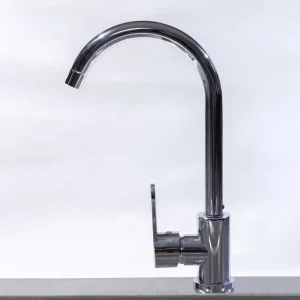
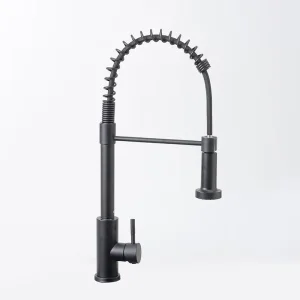
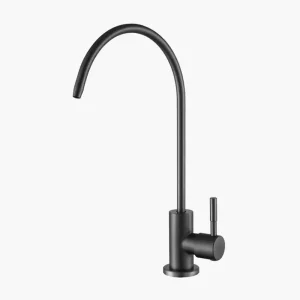
A technical guide on water supply dynamics, architectural demands, and sourcing parameters.
Ghana's rapidly growing construction sector, led by major urbanization programs in the Greater Accra Metropolitan Area (GAMA) and the Ashanti Region, has driven an unprecedented surge in demand for commercial and residential sanitary hardware. However, this growth presents complex logistical and structural challenges. The country's primary municipal supply networks, overseen by the Ghana Water Company Limited (GWCL), are under constant pressure from rapid expansion, leading many commercial real estate developers, hotels, and luxury estates to implement localized boreholes and reverse osmosis filtration systems.
For plumbing hardware importers and distributors, understanding these environmental factors is crucial. The high saline concentration in coastal areas like Tema, Accra Central, and Sekondi-Takoradi accelerates electrolytic corrosion, which causes standard, thin-plated zinc-alloy faucets to corrode, leak, and fail within a few months of installation. Inland, high concentrations of calcium and iron minerals in groundwater sources often cause scaling and blockages in low-grade plumbing valves. Consequently, there is a clear market shift toward premium SUS304 and SUS316 stainless steel fixtures and dezincification-resistant (DZR) brass alloys that can withstand these aggressive chemical dynamics.
Faucets installed within 10km of Ghana's coastline require passivated chromium-nickel layers (minimum 8% nickel content in SUS304 steel) or thick PVD coating. Standard electroplated finishes without protective layers risk rapid pitting corrosion. We ensure all shipments to Ghana undergo strict 48-hour neutral salt spray testing (NSS).
As a leading kitchen and bathroom brand, we focus on material science to deliver long-term durability. We prioritize lead-free, food-grade SUS304 stainless steel and DZR brass in our product formulations. Here is how we address the common plumbing failure points in Ghana:
Sourcing directly from our large-scale production facilities in China offers significant cost savings, design flexibility, and quality control. However, overseas procurement requires a structured approach to shipping, customs clearance, and regulatory compliance. Our international logistics team manages every step of the supply chain, from raw material selection to customs clearance at Tema Port.
All sanitary ware imported into Ghana must comply with the Ghana Standards Authority (GSA) guidelines. This includes securing a Certificate of Conformity (CoC) through pre-shipment inspections to prevent port delays or custom clearance issues. We handle this documentation, ensuring all technical specifications, pressure ratings (up to 16 bar for commercial projects), and material safety standards are fully certified before departure.
Download our compliance certificates, technical drawings, and bulk pricing schedules for the West African market.
Send Inquiry NowLeveraging scale, advanced technical design, and certified processes to support global supply networks.
We are constantly investing in advanced technologies to meet evolving market demands. Our R&D team is focused on water-saving innovations, including touchless infrared sensor controls, digital temperature displays that operate on water flow rather than batteries, and durable PVD (Physical Vapor Deposition) color coatings. These technologies help commercial developers in Ghana meet green building certifications (such as EDGE) by reducing water consumption by up to 40%.
In addition, our automated gravity casting, CNC machining, and polishing lines ensure consistent quality and dimensional accuracy across every batch. This allows us to deliver high-performance, long-lasting products that help reduce maintenance costs for hotels, hospitals, and high-rise office towers across West Africa.
1. Provide ID Design
2. 3D Modeling
3. Prototype Mold
4. Sample Confirm
5. Modify & Refine
6. Performance Test
7. Mass Production
Integrated kitchen and bathroom solutions designed for architectural efficiency and aesthetic appeal.
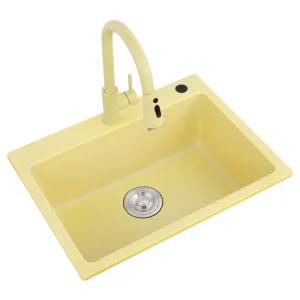
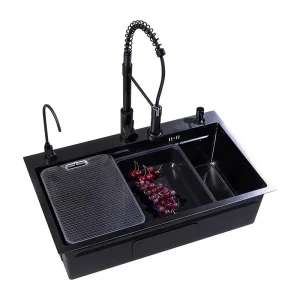
Browse our selection of SUS304 sinks, color-coated fixtures, and multi-functional showerheads.
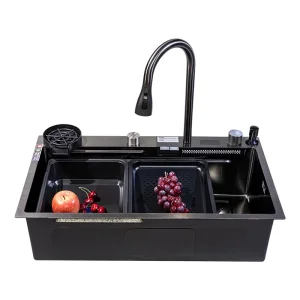
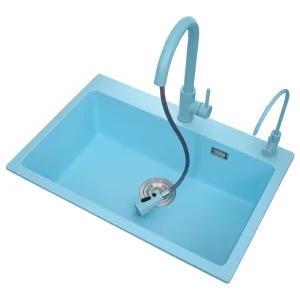
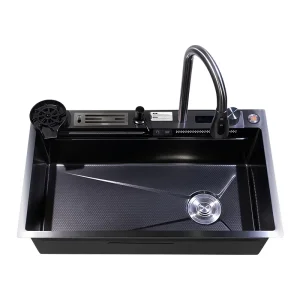
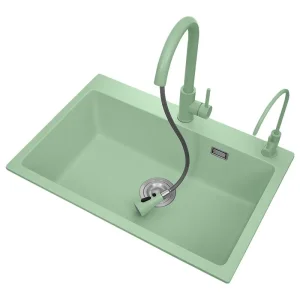

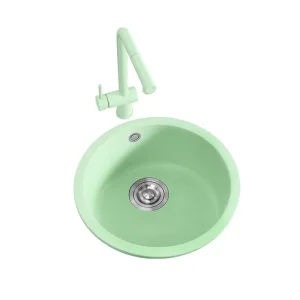
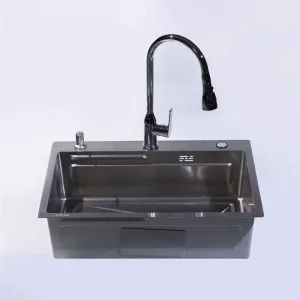
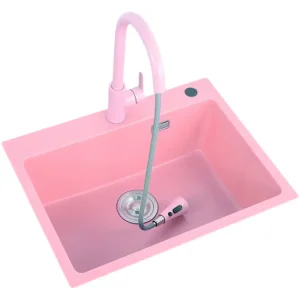
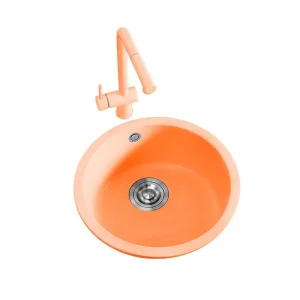
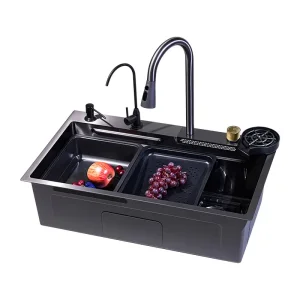
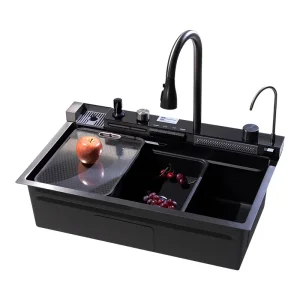
Exporting sanitary ware to West Africa requires a clear understanding of regional compliance, shipping logistics, and material performance standards. We work closely with our partners to ensure a smooth import process and long-term product reliability:
We provide all necessary testing reports and certificates of analysis to verify material composition, lead-free compliance, and pressure tolerances. This helps streamline inspections, avoid custom delays, and ensure your products clear GSA requirements efficiently.
To protect your inventory during maritime transit, we use multi-layer corrugated boxes, molded foam protection, and heavy-duty wooden crates. This minimizes the risk of damage during shipping, handling, and warehouse storage in Ghana.
Our team can customize tap thread patterns, mounting configurations, and water-saving aerators to align with typical plumbing systems and water pressures across different construction projects in West Africa.
Get a detailed production quote, shipping estimation to Tema port, and customized product options.
Send Inquiry NowAnswering key logistical and technical questions for Ghanaian hardware importers, project managers, and contractors.
Stay updated with the latest trends in global sanitary ware manufacturing and sustainable design.
Explore how water-saving regulations, recycled materials, and smart production lines are reshaping the global sanitary ware market.
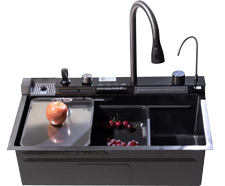
How modern kitchen sink hubs are evolving into multi-functional workstations featuring integrated cutting boards, colanders, and high-performance faucets.
An in-depth look at the expanding demand for premium SUS304 and colored PVD sinks in commercial real estate developments across emerging markets.
 YiGeng