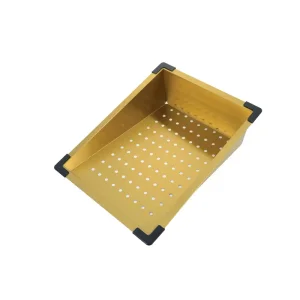
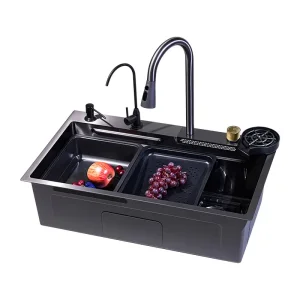
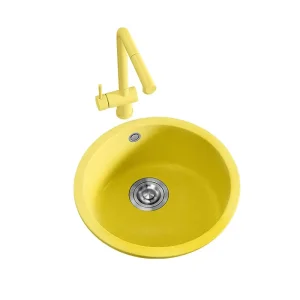
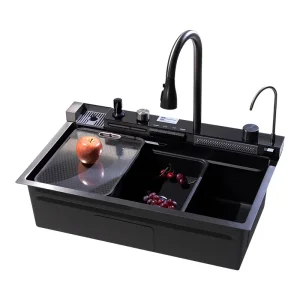
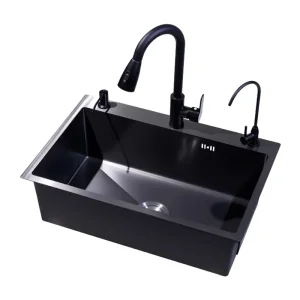
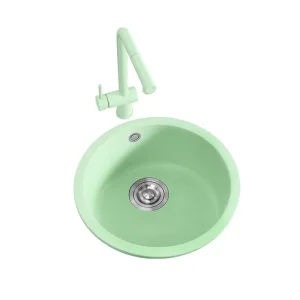
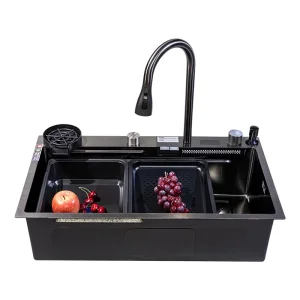
Explore our factory-direct products, designed to deliver exceptional longevity and precise industrial finishings.
A statistical showcase of our structural scalability and international engineering excellence.
The global sanitary ware market has witnessed a monumental transition in raw material economics. Modern commercial developments demand architectural configurations that balance economic viability with long-term wear resistance. In this environment, understanding the nuances of Steel Sink Price structures is key to securing competitive supply chain positioning. Steel sink pricing is determined by three main elements: LME nickel index fluctuations, mechanical fabrication methodologies, and surface refinement treatments.
Historically, standard stamped sinks dominated the volume market. Today, architectural specifications increasingly request customized, handmade options. Handmade sinks, constructed from welded sheets rather than pressed steel, allow for tighter corner radii (R0 to R10), which optimizes inner basin space. This design requires premium SUS304 or SUS316 sheets. Industrial steel factories price these options based on gauge thickness, which ranges from thin 22-gauge options to heavy-duty 16-gauge industrial models. Buying directly from manufacturing facilities helps global importers minimize intermediary costs and secure reliable quality standards.
To properly evaluate pricing differences across global factories, it is essential to understand the difference between pressed (stamped) and handmade (fabricated) stainless steel sinks. Stamped sinks are manufactured using heavy machinery that presses steel sheets into predefined molds. This method is highly efficient for high-volume production runs but typically restricts material thickness to thinner gauges (18 to 22 gauge). Additionally, stamping can thin out the metal in the bottom corners, which can affect long-term durability.
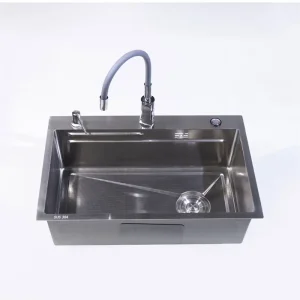
Conversely, handmade sinks are individually cut, bent, and welded by specialized technicians. This process allows factories to use thicker steel, such as 16-gauge or 14-gauge SUS304. Because these sinks maintain consistent thickness throughout the entire basin, they offer superior structural integrity. The welding process also enables sharp R0 or R10 corner radii, creating a modern, industrial aesthetic. While handmade options carry a higher manufacturing cost, their durability makes them a popular choice for high-end residential and commercial projects.
Material composition is the single largest cost driver in stainless steel production. Sinks manufactured with SUS201 steel utilize manganese as a partial replacement for nickel. While this reduces the initial price point, SUS201 is more susceptible to oxidation and corrosion when exposed to acidic foods or harsh cleaning agents. It is primarily suited for dry environments or budget-driven regional markets.
For long-term residential and commercial installations, SUS304 is the industry standard. Containing 18% chromium and 8% nickel, it forms a passive chromium oxide layer that prevents rust and corrosion. For highly corrosive marine environments or medical laboratories, SUS316 is preferred due to the addition of molybdenum, which offers superior resistance to chlorides and industrial chemicals. Choosing the correct material grade helps project managers balance initial material costs with the lifetime value of the installation.
The surface treatment of a sink impacts both its visual appeal and its resistance to daily wear. Standard finishes include brushed satin, which is achieved through mechanical abrasive belts to mask minor scratches, and mirror polishing, which provides a highly reflective surface common in traditional styles.
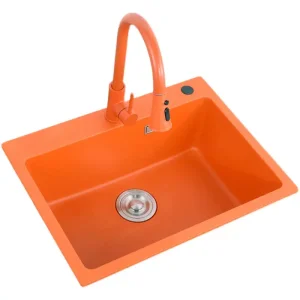
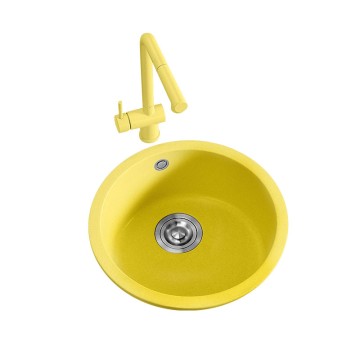
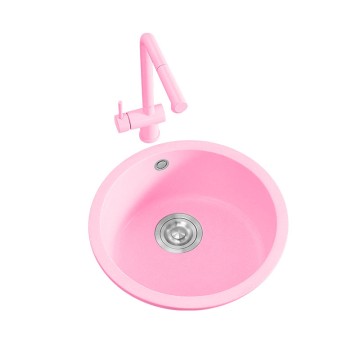
Modern manufacturing highlights include the development of Nano-PVD (Physical Vapor Deposition) coatings. During this process, titanium or chromium metals are vaporized in a vacuum chamber and deposited onto the stainless steel surface. This molecular bond creates unique finishes, such as matte gold, graphite black, copper, and custom selections like Hermes Orange or Forest Green. The nano-coating fills microscopic pores in the steel, creating a hydrophobic layer that repels water, prevents limescale buildup, and increases resistance to scratching.
Direct access to our primary manufacturing lines, organized by industrial application.
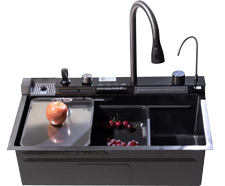
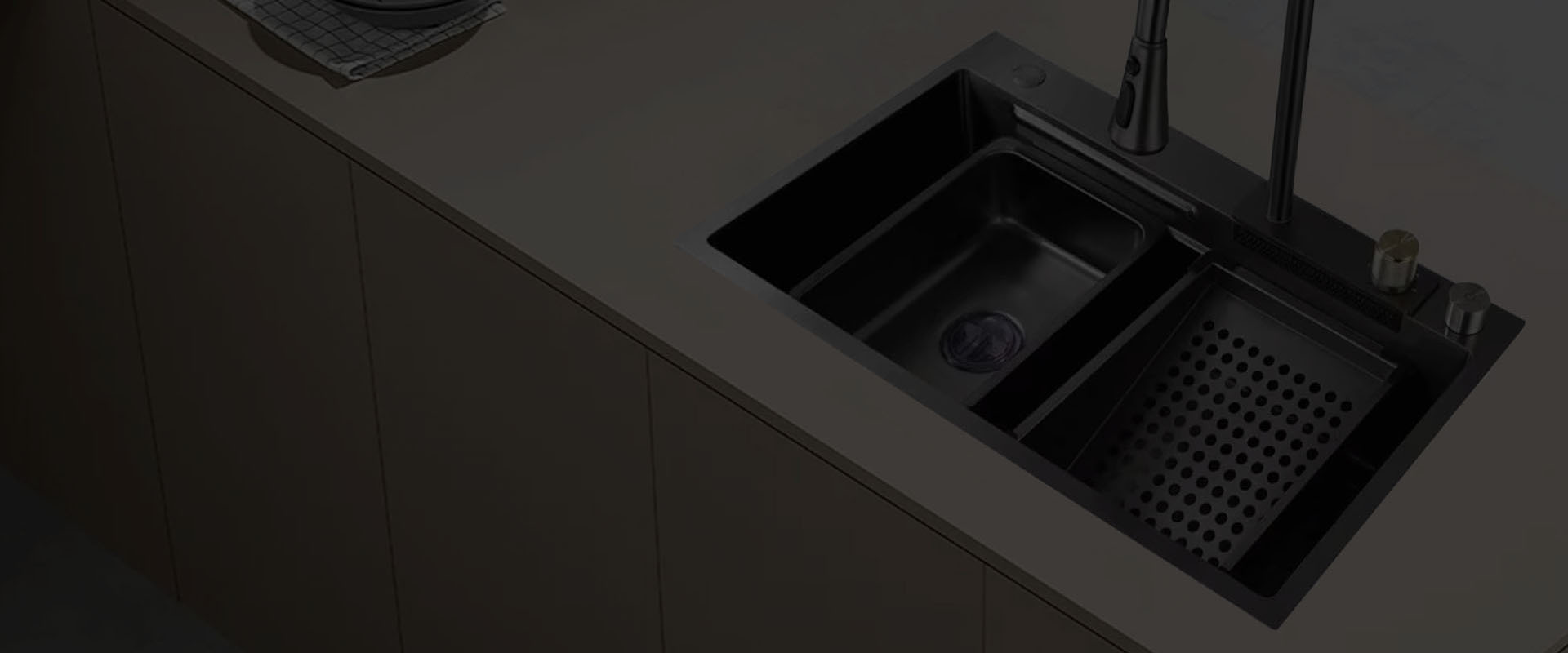
Daily life starts from the kitchen.
view more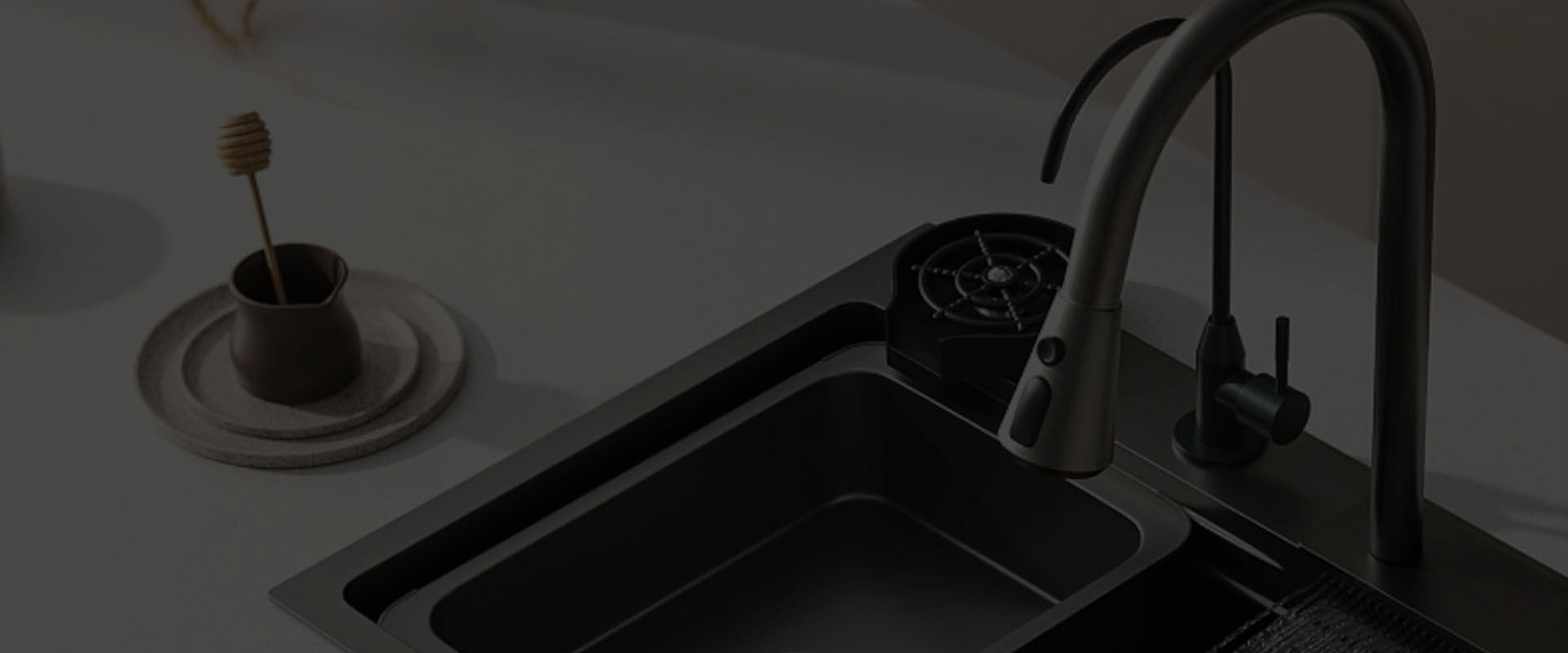
Daily life starts from the kitchen.
view more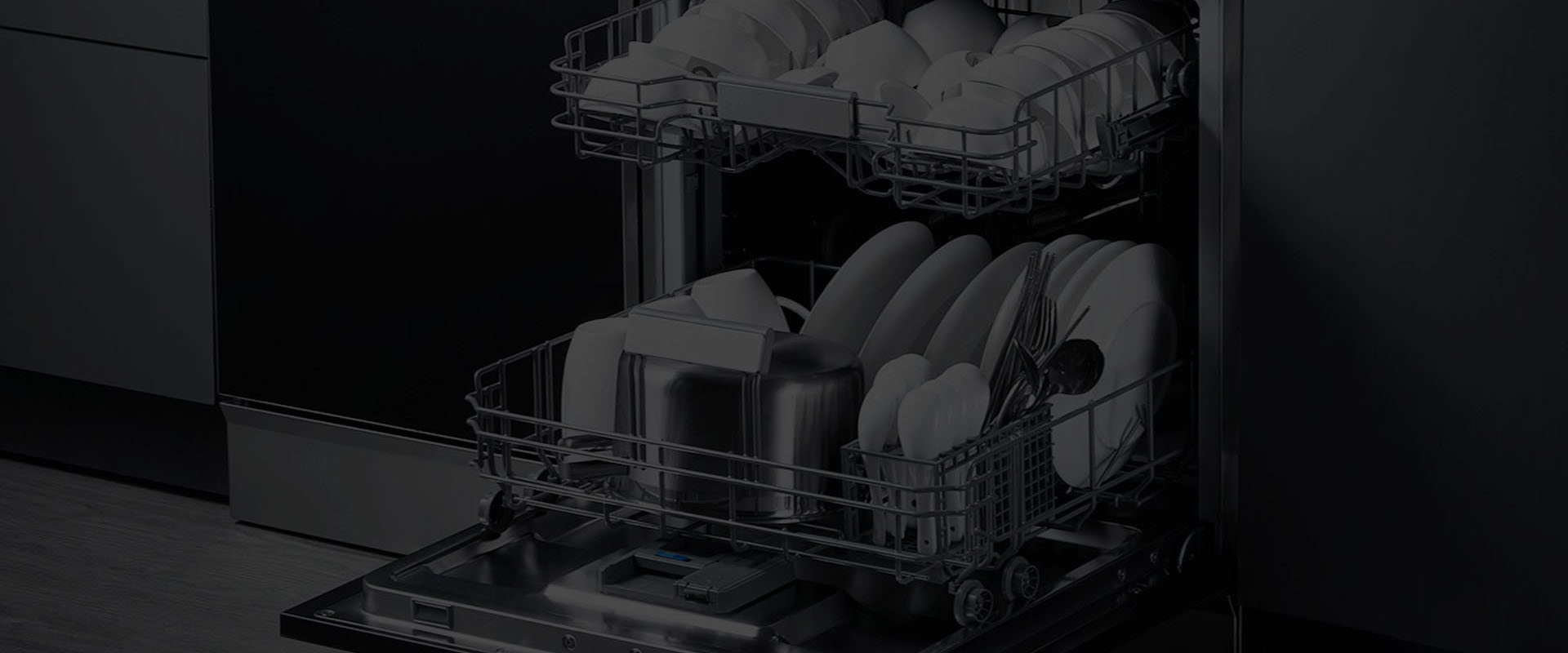
Daily life starts from the kitchen.
view more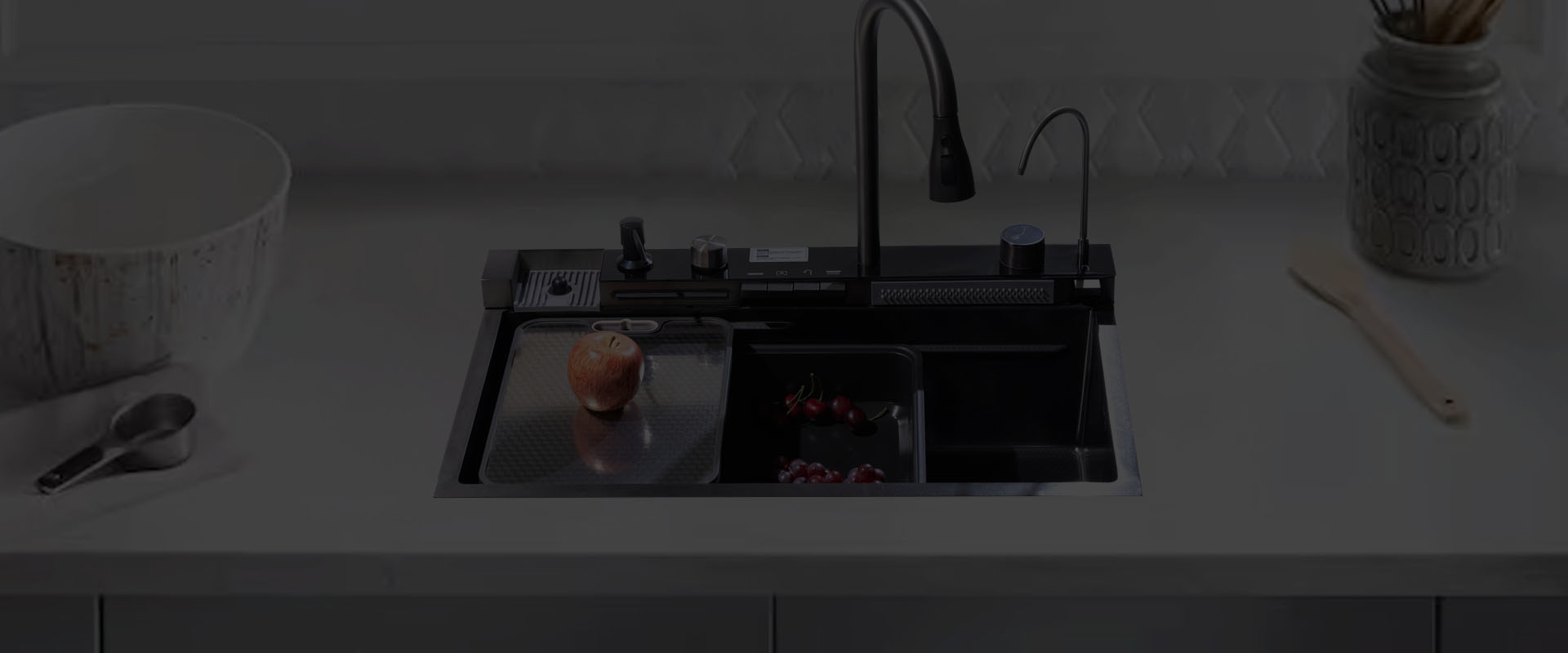
Daily life starts from the kitchen.
view moreIntegrated design and manufacturing services tailored to international project standards.
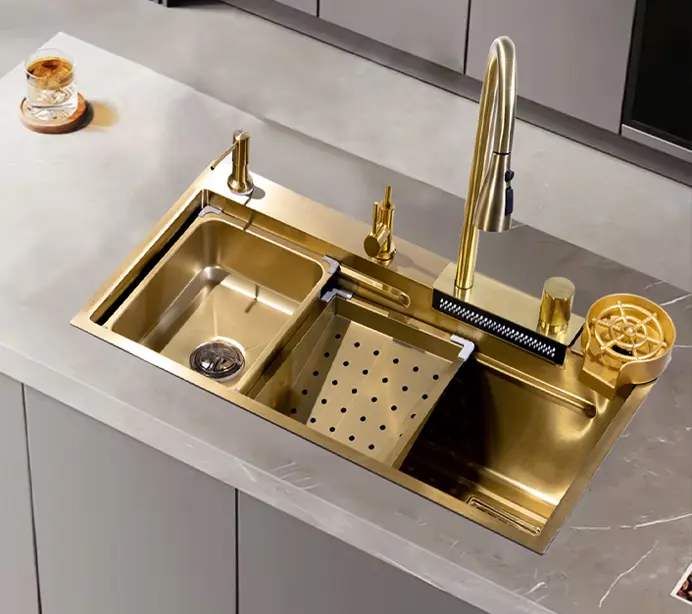
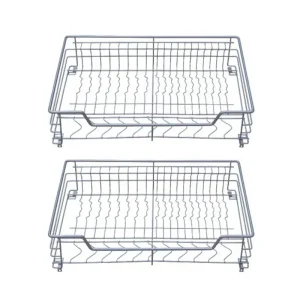
Henan Yigen Kitchen & Bathroom Co., Ltd. is a comprehensive manufacturing and trading enterprise focusing on handmade sinks, pull-out baskets, drain baskets, toilets, and shower heads. We are committed to providing premium kitchen and bathroom products alongside customized solutions designed to meet both industrial and trade requirements.
view more
Our business operates across domestic platforms and markets, as well as in cross-border and multi-party trade. We work with clients globally and serve thousands of overseas buyers, maintaining strict quality standards and prompt logistical execution.
Plumbing requirements vary significantly by region. In North America, residential projects typically require deep-double or large single-basin under-mount sinks with a minimum 18-gauge SUS304 composition. Compliance with cUPC (Uniform Plumbing Code) certification is essential. Under-mount designs are preferred for their clean look with quartz countertops.
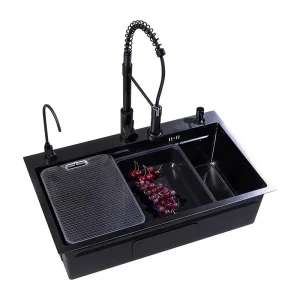
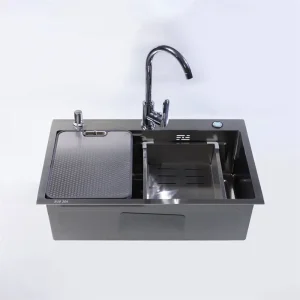
In Europe, modular configurations with integrated drainboards are common. Installations often favor drop-in or flush-mount styles that accommodate thinner countertops. These products must carry the CE marking (EN 13310). In urban centers across Asia and Latin America, space-saving designs like multifunctional single-basin workstations with sliding accessories (colanders, cutting boards) are increasingly popular.
To manage labor costs and maintain dimensional accuracy, modern manufacturing relies heavily on automation. Robotic laser welding creates precise seams for handmade R10 basins, minimizing human error and ensuring uniform structural strength.
Additionally, eco-friendly practices are shaping production. Automated spray applications of non-toxic, anti-condensation undercoating prevent moisture buildup beneath the cabinet. Heavy-duty rubber sound-deadening pads are also applied to reduce noise during use. Modern factories are updating their water filtration and acid recycling systems to minimize waste, meeting global environmental standards.
Procurement teams face challenges from volatile sea freight and fluctuating raw material costs. Establishing a secure supply chain requires partnering with manufacturers that provide end-to-end design, custom tool fabrication, and direct logistical support.
Partnering with a single factory for both main basins and accessories (like pull-out baskets and faucets) simplifies assembly and ensures matching finishes. Integrated sourcing reduces handling costs, simplifies quality control inspections, and helps maintain project timelines.
Our complete customization workflow supports you from initial design through mass production.

Provide ID design

3D Modeling

Open real mold for sample

Customer confirm sample

Modify sample

Sample testing

Mass production
Stay updated on product development trends, industry reports, and trade updates.
An exploration of color finishes, soundproofing innovations, and ergonomic designs in the sink industry.
view moreWhy the sink is central to kitchen layouts, and how modern workstations improve daily efficiency.
view moreA look at the factors driving global growth in residential and commercial plumbing markets.
view moreSelect from specialized designs, colored PVD options, and matching accessories.
Common questions from procurement managers, architects, and trade partners.
Bulk pricing is primarily driven by three factors: material grade (e.g., SUS304 vs. SUS201), steel thickness (gauge), and fabrication style (mass-produced stamped sinks vs. handmade welded options). Surface treatments, such as Nano-PVD color coatings, and custom packaging requirements also impact unit costs.
Gauge refers to the thickness of the steel, with lower numbers representing thicker material. 16-gauge steel is approximately 1.5mm thick, making it highly resistant to denting and bowing under heavy use. Thinner options, like 18-gauge (1.2mm) or 20-gauge (0.9mm), are lighter and more economical but offer less resistance to impacts and temperature fluctuations.
We manage quality through strict material inspections, automated laser welding, and manual surface finishing. Every production run undergoes structural testing and checking against dimensional models before packaging, helping prevent warping or finish inconsistencies.
Nano-PVD coatings create a durable color layer on the stainless steel, available in finishes like graphite black, copper, and custom options (such as Hermes Orange and Forest Green). The hydrophobic surface resists water spots, fingerprints, and minor scratching, making colored sinks a practical design choice.
Yes. Our R&D and design teams support the customization process. We can adjust dimensions, modify corner radii, select custom color options, and add specific drainage or accessory configurations to meet local project needs.
Our vision is to deliver durable, well-designed kitchen and bathroom fixtures through careful craftsmanship and reliable customer service. We work closely with partners to meet diverse project needs while continuing to expand our brand presence in global markets.
 YiGeng