Explore our core high-precision metal and glass components, engineered for optimal structural integrity and premium luxury ergonomics.
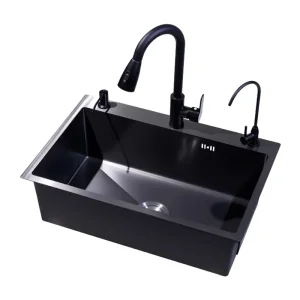

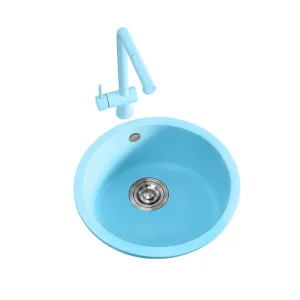
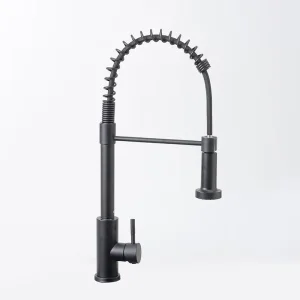
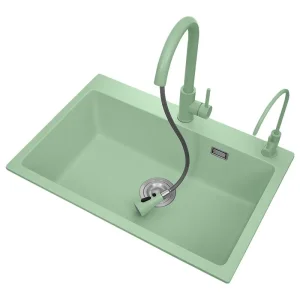
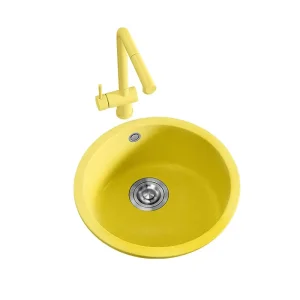
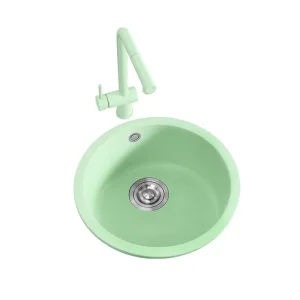
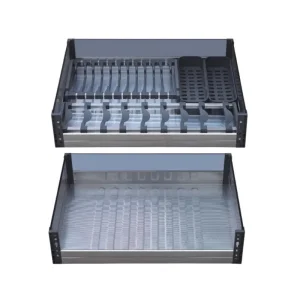

Our business is not only spread across various domestic platforms and markets, but also involves cross-border and multi-party trade fields. Currently, we cooperate with countries all over the world and have thousands of overseas buyers, delivering high-performance structural systems combining high-grade stainless steel with tempered glass panel components.
Explore Our Custom SolutionsIn high-performance B2B hardware manufacturing, combining stainless steel with glass is no longer just a visual design choice; it is a complex material science challenge that yields major functional benefits. Grade 304 and 316 stainless steels provide superior tensile strength, durability, and corrosion resistance. When combined with tempered structural glass, these assemblies offer scratch-resistant surfaces, hygienic non-porous zones, and clear visual feedback for commercial, industrial, and high-end residential spaces.
The main engineering challenge lies in managing the different thermal expansion rates of metal and glass. Under variable thermal conditions (such as hot water flow in industrial sinks or high-temperature steam sterilization), stainless steel expands at a rate of roughly 16.0 × 10⁻⁶/K, whereas tempered silicate glass expands at only 9.0 × 10⁻⁶/K. To prevent structural cracking, delamination, or seal failures, top-tier factories utilize custom polyurethane bonding adhesives, mechanical gaskets, and specialized dampening systems. This hybrid approach ensures structural stability, preventing failure under mechanical load or temperature fluctuations.
By utilizing high-grade austenitic stainless steel (such as SUS304 with 18% chromium and 8% nickel) alongside thermally tempered float glass, our manufacturing plants ensure that components can withstand thermal shock differences up to 150°C and impact pressures exceeding 120 MPa.
The global B2B procurement landscape for stainless steel and glass products requires a robust supply chain that guarantees consistency, quality control, and timely delivery. China's central manufacturing clusters, led by facilities in Henan and Guangdong, supply over 45% of the world's premium kitchen and bath hardware. Industrial buyers depend on factory direct sales to keep costs predictable while ensuring access to customized design options.
To maintain high quality, leading factories implement strict control systems throughout the manufacturing process. Key elements include verifying raw material chemical compositions using spectrometer analysis, conducting automated salt-spray tests to confirm rust resistance, and performing mechanical stress tests on tempered glass. This thorough quality control prevents common issues like weld decay, glass imperfections, and assembly failures, ensuring long-term reliability in high-traffic commercial environments.
Full compliance with ISO 9001:2015, cUPC certification for North American plumbing, and European CE directives.
 YiGeng