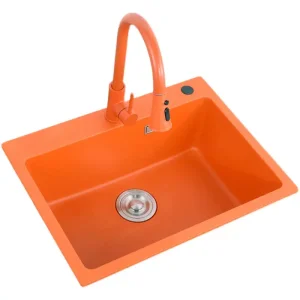
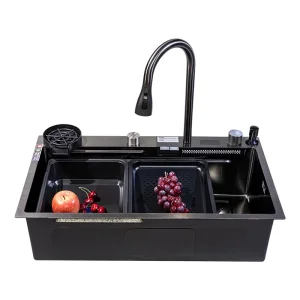
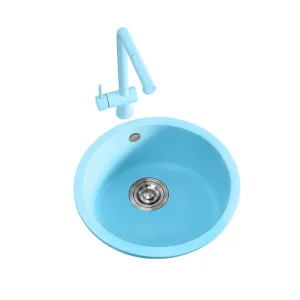
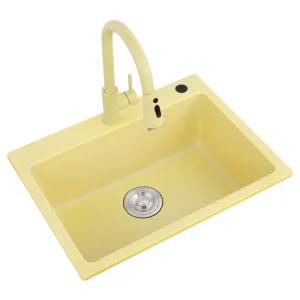
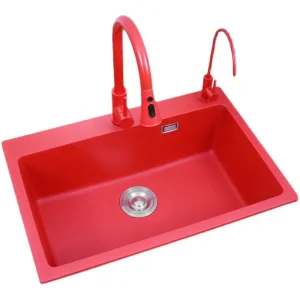
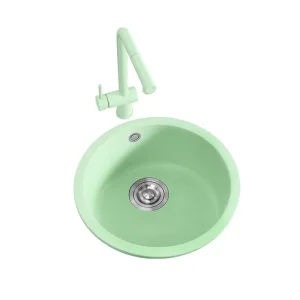
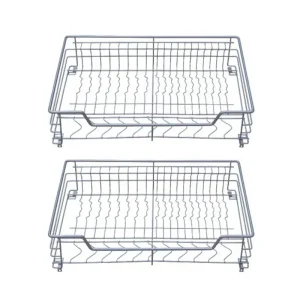
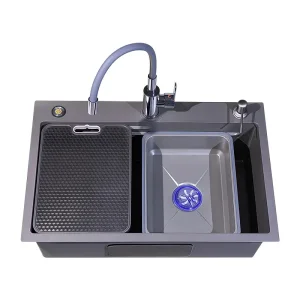
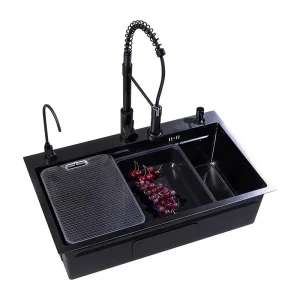
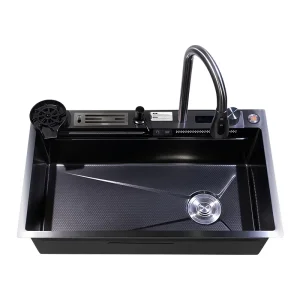
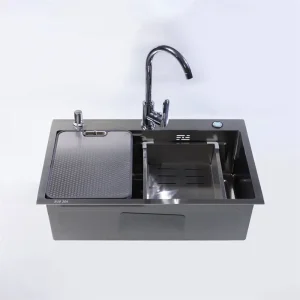
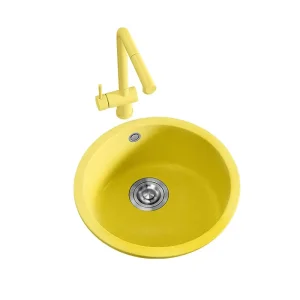
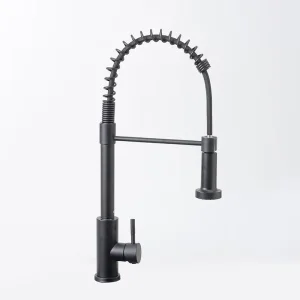
Explore our premium grade residential and commercial outdoor sinks designed for demanding exterior environments. Click any product below to request custom specifications and volume quotes.
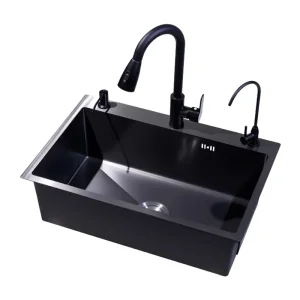
Modern architectural layouts are increasingly blurring the boundaries between interior comfort and exterior environments. The rising demand for integrated outdoor kitchens, poolside entertainment bars, high-exposure commercial patios, and municipal park projects has positioned the stainless steel outdoor sink as a vital component in modern layout design. However, unlike indoor sanitary systems, outdoor fixtures face relentless exposure to elements like UV rays, fluctuating temperatures, rainfall, and high humidity.
As a leading brand in kitchen appliances, Henan Yigen Kitchen & Bathroom Co., Ltd. is dedicated to designing and manufacturing heavy-duty stainless steel outdoor sinks that withstand severe atmospheric conditions. By leveraging advanced metallurgy, precision manufacturing, and compliance-driven engineering, we serve major commercial buyers, architectural project planners, and wholesale distributors worldwide. This whitepaper details the core specifications, material sciences, and supply chain variables that define high-performance outdoor sinks.

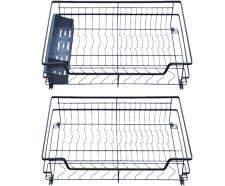
Henan Yigen Kitchen & Bathroom Co., Ltd. is a comprehensive enterprise focused on the manufacturing and global distribution of handmade sinks, pull-out baskets, drain baskets, and premium hardware accessories.
Outdoor conditions present harsh environments for metal fixtures. Sinks installed in coastal patios face airborne chloride ions that accelerate pitting corrosion. Standard indoor kitchen sinks made of lower-grade stainless steel (such as 201 grade) will often show rust blooms within months of exposure. To ensure durability, structural integrity, and clean water output, our manufacturing process emphasizes premium raw material sourcing and precise alloy balances.
Containing a minimum of 18% chromium and 8% nickel, SUS304 steel provides robust resistance to oxidation and chemical corrosion. Our outdoor sinks are manufactured from certified SUS304 to prevent degradation from weather, soil acidity, and cleaning agents.
For high-wear environments, physical vapor deposition (PVD) bonds ultra-thin metallic layers (such as titanium nitride) to the steel surface. This hardens the surface, prevents scratching, and creates a hydrophobic layer that repels dirt and hard-water stains.
Sudden temperature drops in the evening can cause humidity to condense on the underside of a metal basin. We apply a thick, moisture-resistant undercoating paired with sound-dampening pads to protect surrounding millwork and ensure quiet operation.
Explore our main product offerings engineered for modern kitchens and bathroom configurations.
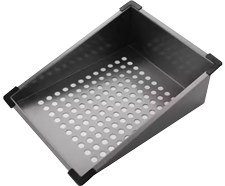 Drain Basket
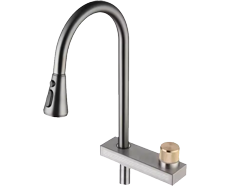 Faucet
 Pull Basket
 Sinks
Sinks
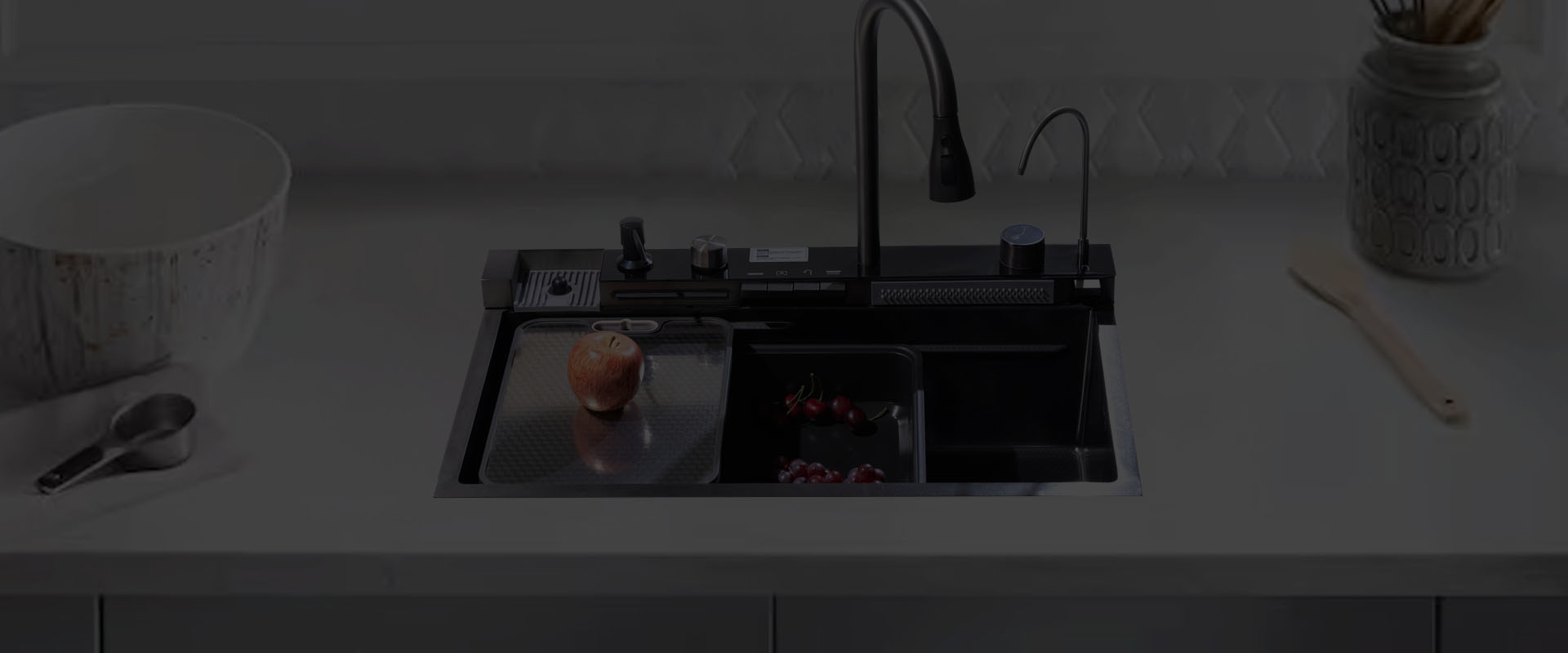
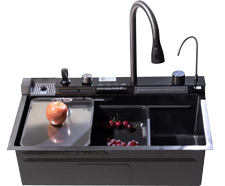
Our handmade sinks and matching drainage accessories feature clean geometric layouts, tight radius corners, and durable surface finishes. Built to meet diverse needs, these solutions streamline food preparation and washing in domestic and commercial kitchens alike.
View Sinks CatalogImporting plumbing fixtures requires compliance with regional construction codes and environmental standards. Standard components that do not match regional sizing or water efficiency rules can cause project delays or inspection failures.
For the USA and Canada, sinks must comply with ASME A112.19.3/CSA B45.4 standards. Plumbing connections require NPT (National Pipe Thread) compatibility. Our factory provides certified fittings and overflows to comply with Uniform Plumbing Code (UPC) requirements, helping developers secure local construction sign-offs.
European markets require the CE mark for kitchen sinks under standard EN 13310. This regulates load-bearing capacities, temperature fluctuation limits, cleanability, and flow rates. We use metric G-thread connectors (G 1-1/2 or G 1-1/4) to align with European siphon and trap standards, minimizing the need for local adapters.
Projects in Oceania must satisfy AS/NZS 3500 standards. Sinks and integrated tapware must bear the WaterMark certification to verify safety under local water pressures. Additionally, tap units are tested for WELS flow-rate ratings to meet regional water efficiency guidelines.
We source raw steel from major mills with full chemical analysis reports, verifying exact chromium, nickel, and carbon ratios. Our facilities undergo routine BSCI and ISO audits, offering enterprise buyers the regulatory transparency needed to satisfy environmental, social, and corporate governance (ESG) standards.
Collaborating with a Henan-based manufacturer like Henan Yigen offers procurement advantages that extend beyond competitive pricing. China's industrial ecosystem provides end-to-end integration, from raw material processing to final logistics.
We maintain close proximity to major domestic steel refineries and smelting hubs. This secures a steady supply of high-grade SUS304 sheet metal, insulating our clients from global material shortages and cost fluctuations.
Our 50,000-square-meter facility features automated laser-cutting arrays, CNC folding machinery, and robotic welding stations. This automation ensures tight dimensional tolerances (±0.5mm) across mass production runs.
With 25 R&D engineers and 10 design experts, we handle custom tooling, deep-drawing dies, and mold production in-house. This shortens the development cycle for bespoke OEM models to just 21-30 days.
We provide a comprehensive OEM/ODM engineering process to deliver tailored products from concept to final delivery.

1. ID Design

2. 3D Modeling

3. Open Mold

4. Confirm Sample

5. Modify Sample

6. Testing

7. Production
Outdoor sinks are used in a variety of environments, each with specific installation, structural, and plumbing requirements.
For outdoor grilling areas, backyard decks, and poolside installations. These residential models focus on visual design, integrating double basins, built-in soap dispensers, and matching cutting board inserts.
In high-salinity marine environments, standard steel can quickly degrade. We supply sinks built from specialty alloys and treated with passivation and protective PVD coatings to resist saltwater corrosion.
Outdoor bars, commercial event patios, and beer gardens require high-capacity, heavy-gauge steel solutions. We provide deep, reinforced bowls designed to stand up to heavy daily washing cycles.
The outdoor living market continues to evolve, shaped by shifts in consumer preferences, technological advancements, and sustainable design practices.
Modern outdoor kitchens are increasingly built on modular frameworks, allowing buyers to combine under-counter refrigerators, grills, and sinks into a single layout. This modular trend demands standardized sink flange dimensions to ensure clean integration with stone, concrete, and composite countertops.
Driven by hygiene concerns, motion-activated, battery-operated faucets are increasingly common in outdoor environments. Manufacturers are developing low-voltage, solar-assisted sensor arrays that operate independently of grid power in outdoor settings.
Eco-conscious projects often require integrated greywater systems. By separating food waste from greywater at the drain outlet, modern installations can recycle drainage water for garden irrigation. We support this trend by offering multi-outlet drainage paths and custom strainer baskets.
While satin-brushed steel remains a classic option, designers are increasingly selecting textured physical vapor deposition (PVD) finishes, such as gunmetal grey, matte gold, and textured bronze, to complement outdoor hardscaping elements.
Stay informed on regulatory changes, material updates, and global sourcing strategies for sanitary fixtures.
Recent shifts in residential construction point to a growing preference for durable, weather-resistant outdoor living fixtures. Explore how advanced steel treatments are expanding design possibilities.
Read Full Report >Sinks serve as the central hub for food preparation and cleanup. Integrating multi-functional workstation accessories directly into the rim helps optimize workflow in compact workspaces.
Read Full Report >Driven by rapid commercial development and municipal infrastructure projects worldwide, global demand for certified stainless steel sanitaryware continues to expand.
Read Full Report >Direct technical answers to help distributors, contractors, and procurement officers make informed sourcing decisions.
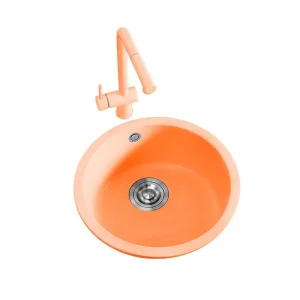
Complete your layout with our range of high-temperature resistant, under-mount, and colored kitchen models. Click any product below to view product catalogs and wholesale pricing sheets.

 YiGeng