We source certified medical-grade 316 and high-tensile SUS304 stainless steel alloys. Our processes prevent intergranular corrosion and preserve crystalline structure integrity under harsh environments.
Designed with coved corners, zero-crevice interior seams, and passivated weldments to align with strict USDA, NSF/ANSI Food Equipment standards and pharmaceutical cleanroom criteria.
Combining robotic laser profiling, precise CNC folding, and custom CAD engineering to deliver tailored double-walled configurations, mechanical locks, and integrated utility paths.
In modern high-tech facilities, the storage infrastructure is not merely furniture; it is a critical component of contamination control, safety compliance, and operational efficiency. The choice of casework material defines the limits of disinfection protocols, physical load limits, and structural longevity. High-quality stainless steel cabinetry stands as the industry-wide benchmark, overcoming the molecular weaknesses of polymers, wood, and standard carbon steels.
Cleanrooms require strict control of airborne particulate concentrations. Material selection is paramount; polymers can outgas volatile organic compounds (VOCs) that contaminate sensitive silicon wafers or optical assemblies. Heavy-duty 304/316 grade stainless steel cabinets prevent outgassing and electrostatically attract fewer dust particles. Smooth, non-porous surfaces prevent microbiological pathogens and microparticles from finding anchor points. Standard practices require continuous seam-welding, ground-flush joints, and non-marring floor leveling assemblies that maintain structural alignment without shedding dust.
Biomedical research facilities and healthcare surgical theaters demand aggressive sanitation regimes. Cleaners use highly corrosive vaporized hydrogen peroxide (VHP), peracetic acid, and concentrated bleach solutions. Wood composites swell, split, and cultivate mold under these conditions, while coated steel is prone to chipping and rusting. Medical-grade stainless cabinets, specifically designed with high chromium and nickel content (typically 18/10 proportions), exhibit exceptional resistance to chemical degradation. Their smooth, polished surfaces can endure thousands of sanitization cycles without pitting, protecting chemical stocks, sterile instruments, and medical supplies.
The food service sector relies on compliance with NSF/ANSI Standard 2 for Cleanability. Cabinets must prevent food residue accumulation and withstand high-pressure washdowns. Design elements such as sloped cabinet tops prevent dust deposition and stop staff from storing items on top, facilitating overhead cleaning. Integrated sinks, seamless pull-out baskets, and robust drawer runners must operate under damp conditions without failing or contaminating foodstuffs with rust or mechanical lubricants. Our factories ensure that all moving elements use food-grade lubrication and enclosed bearings.
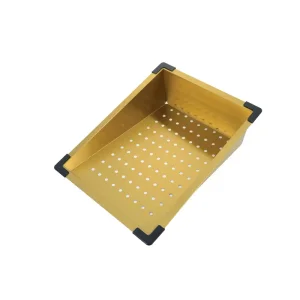
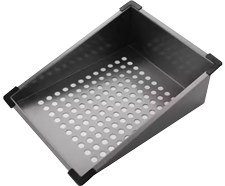 Drain Baskets
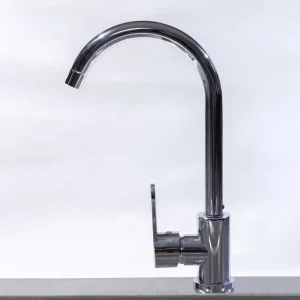
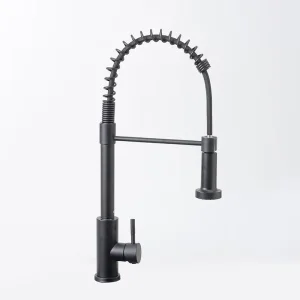
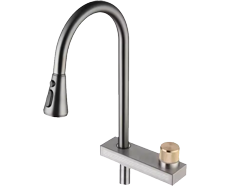 Sanitary Faucets
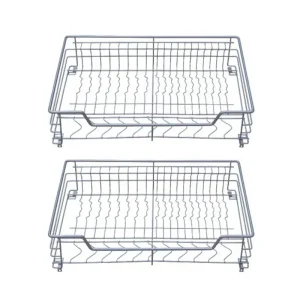
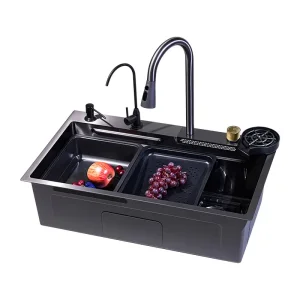
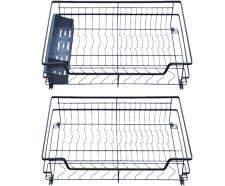 Organizing Pull Baskets
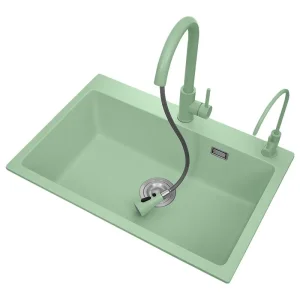
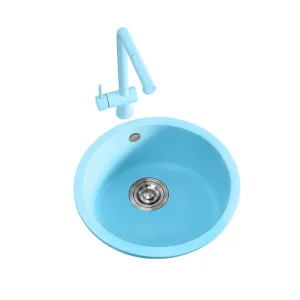
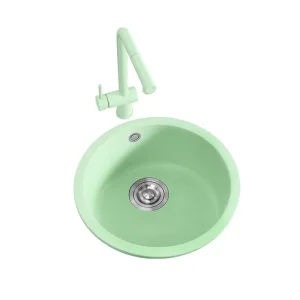
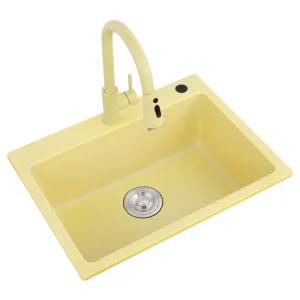
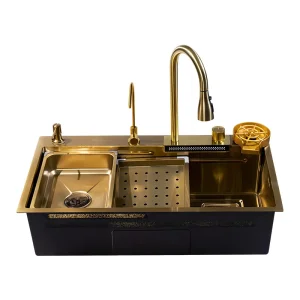
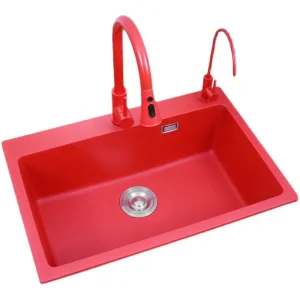
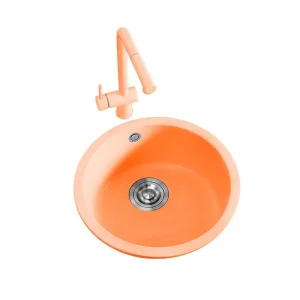
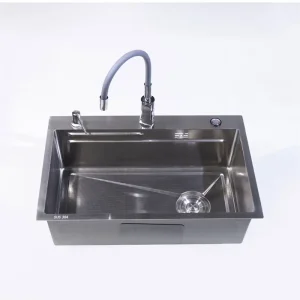
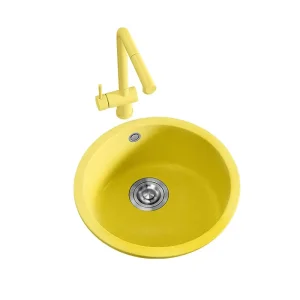
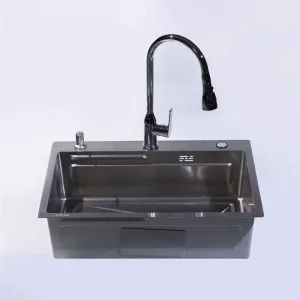
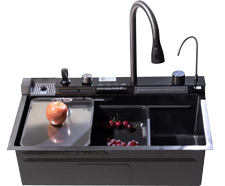 Precision Sinks
Forging exquisite craftsmanship and sharing quality life. Modern daily life starts from the kitchen, demanding robust organizational accessories.
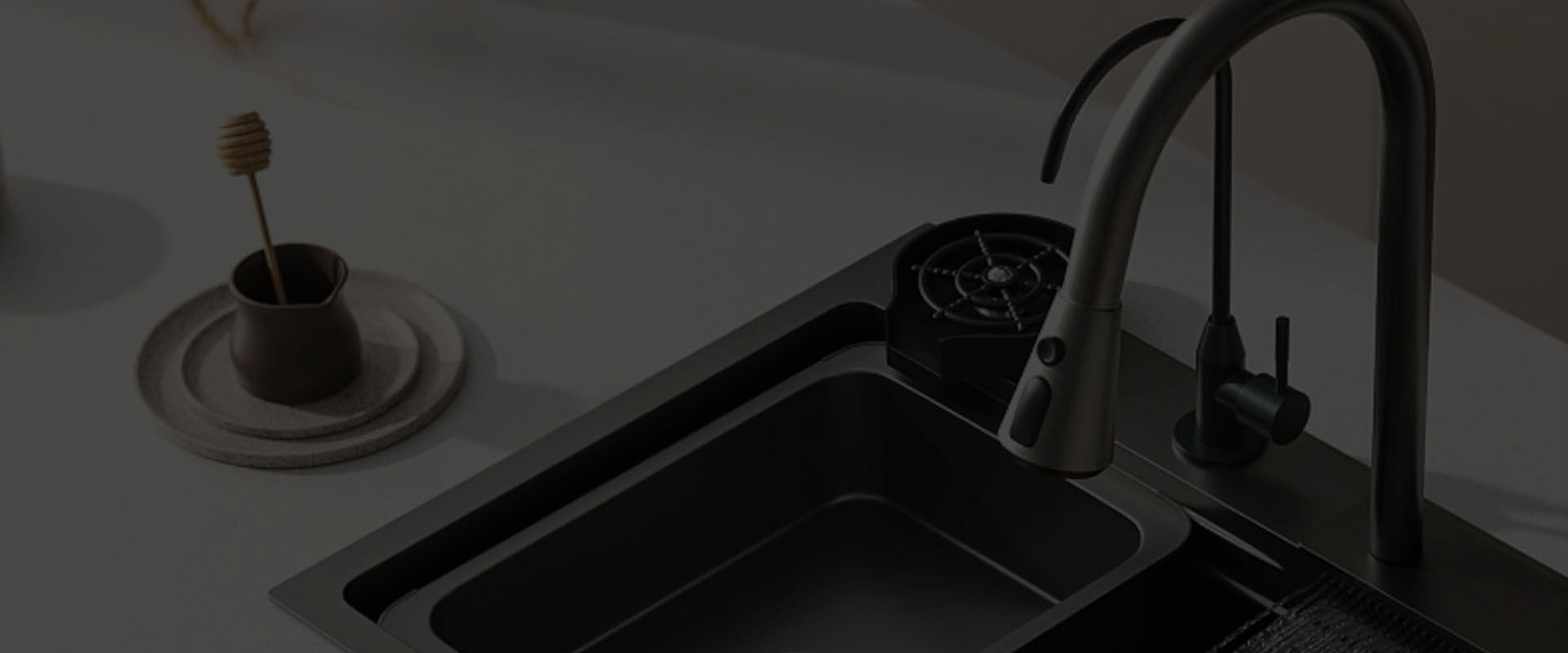
Water delivery interfaces constructed from low-lead or lead-free SUS304 cores, maintaining fluid purity and physical durability.
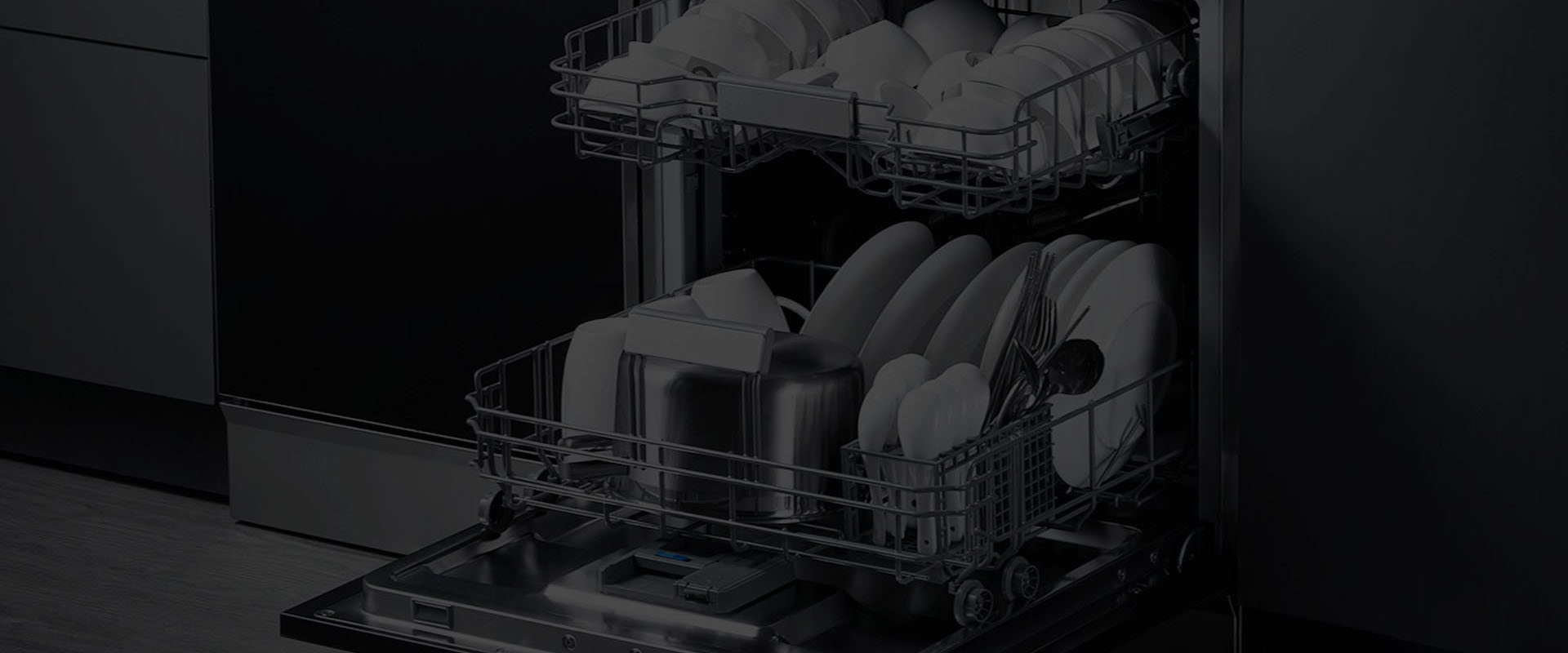
Heavy-gauge storage inserts designed for modern cabinets, utilizing soft-close dampening and heavy load ratings.

Sound-dampened basins designed to be seamlessly welded or undermounted into heavy-duty stainless steel countertops.
Procuring stainless steel casework globally demands compliance with regional regulations. In North America, cabinet configurations must meet the Scientific Equipment and Furniture Association (SEFA 8) standards, ensuring structural stability under high loading, lateral drift, and chemical spills. In the European Union, standard EN 14056 defines safety, strength, durability, and space optimization for laboratory benches. Further, cleanrooms must comply with ISO 14644 particulate classes.
As a global supplier, Henan Yigen Kitchen & Bathroom Co., Ltd. addresses regional compliance directly at the design phase. We customize metal gauges (ranging from 14-gauge for heavy load-bearing structural frames to 18-gauge for double-walled drawer fronts and doors) according to client project specifications. Additionally, we navigate local import regulations and environmental impact assessments, providing material tracking sheets (mill certificates) with every batch to ensure complete accountability for our metallurgy.
A major point of failure in low-quality cabinets is weld decay. During standard welding, temperatures reach 500°C to 800°C, causing chromium to react with carbon. This forms chromium carbides along grain boundaries, leaving the surrounding steel vulnerable to corrosion. To prevent this, our factories use low-carbon grades (like 304L or 316L) and apply localized shielding gases during welding. Post-weld passivation treatments restore the protective chromium oxide film, ensuring corrosion resistance across all joints.
Stainless steel cabinetry is evolving to integrate advanced digital technologies. The next generation of industrial cabinets features IoT-connected tracking, biometric locks, and internal environment sensors:

1. Provide ID Design

2. 3D Modeling

3. Real Mold Sample

4. Client Confirmation

5. Modify Sample

6. Testing & Stress Runs

7. Mass Production
Explores how integrated, single-unit sink and cabinet designs reduce maintenance costs and improve hygiene in commercial kitchens.
A deep dive into cleanroom requirements, focusing on minimizing outgassing and microparticle contamination in manufacturing.
Analyzes the growing demand for PVD-colored stainless steel and specialized alloys in high-end medical and laboratory settings.
Our vision is to create high-quality, durable products for every customer through expert craftsmanship and innovative design. We adhere to the principles of integrity and customer service, providing customized solutions that meet diverse needs as we grow into a leading global brand.
 YiGeng