Explore our highly durable, corrosion-resistant, and aesthetically advanced kitchen and bathroom products direct from our manufacturing facility.
An Industry Whitepaper on Sourcing, Metal Grades, and Structural Engineering Excellence
In the modern landscape of construction, commercial architecture, and interior infrastructure, high-quality stainless steel serves as the foundational material for sanitaryware, plumbing fixtures, and integrated storage systems. High-grade stainless steel, particularly SUS304 and SUS316 alloys, represents the optimal fusion of mechanical strength, anti-corrosive properties, and thermal durability. Choosing the right stainless steel factory is a critical decision for global buyers, real estate developers, and large-scale distributors who seek both structural longevity and aesthetic versatility.
Stainless steel owes its corrosion resistance to the formation of a passive, self-healing chromium oxide film on its surface. When manufactured under strict quality standards within an advanced factory, these alloys are subjected to precise heat treatment, mechanical forming, and welding processes. This ensures the structural integrity of complex geometries like deep-drawn kitchen sinks, multi-functional kitchen baskets, and heavy-duty commercial faucets. Our production facilities deploy state-of-the-art cold-rolling and stamping technologies that maintain uniform sheet thickness and structural stability across every unit.
While SUS304 (containing 18% chromium and 8% nickel) is the industry standard for residential kitchen installations due to its balanced cost-to-performance ratio, coastal environments and heavy industrial applications benefit significantly from SUS316. SUS316 incorporates molybdenum, which provides exceptional protection against chloride-induced pitting, making it ideal for marine settings and harsh chemical sanitization protocols.
Our production pipelines utilize laser welding systems combined with hydraulic presses operating up to 1000 tons. This high-force stamping ensures that the crystalline structure of the steel is aligned uniformly, preventing micro-fractures in the corners of deep-drawn sinks. Handcrafted sinks are welded using inert gas protocols to prevent carbon contamination and retain optimal corrosion resistance at joints.
A closer look at the physical footprint, workforce metrics, and R&D engineering capacity powering our global supply solutions.
How regional clusters, raw material vertical integration, and streamlined logistics deliver cost savings and reliable delivery timelines.
Global procurement directors often face the challenge of managing supply chain disruptions, rising raw material costs, and unpredictable shipping delays. Procuring from a highly integrated stainless steel factory in China mitigates these risks through unmatched industrial cluster dynamics. The central positioning of Henan's manufacturing zones provides immediate access to major national steel producers. This access stabilizes material costs and ensures a continuous supply of primary steel coils.
This vertical integration extends beyond the raw metal itself. Secondary supply chains—providing surface passivation chemicals, PVD coatings, localized hardware inserts, and recyclable packaging materials—operate within a 50-kilometer radius of our main production plant. This local ecosystem reduces lead times and allows our teams to dynamically ramp up production volumes to meet seasonal demand surges. Furthermore, China's extensive high-speed logistical infrastructure and direct connections to major shipping ports like Qingdao and Shanghai ensure efficient shipping to destinations worldwide.
Our long-term partnerships with raw material refineries allow us to secure primary cold-rolled SUS304 coils on a weekly forecast cycle. This arrangement shields our clients from wild price fluctuations on the global London Metal Exchange (LME) and guarantees consistent alloy purity, free from heavy metal contaminants.
Our export offices handle all declaration processes directly. This includes generating detailed Mill Test Reports (MTRs) and proving conformity with destination country customs requirements. Our compliance minimizes customs clearance delays and avoids unexpected demurrage fees.
Investing in advanced surface treatments, physical vapor deposition (PVD), and sustainability protocols for the next generation of sanitaryware.
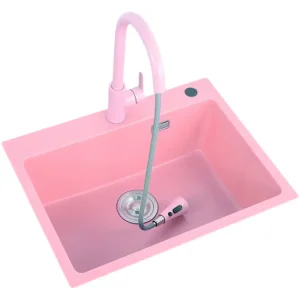
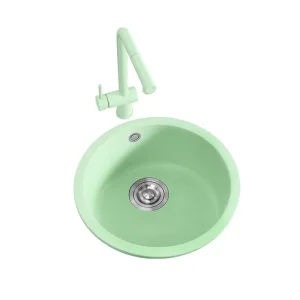
Developing molecularly bonded, hydrophobic ceramic layers over stainless steel substrates. This process enhances scratch resistance and eliminates water spots on colored sink installations.
Increasing automated processing systems up to 85% across all handmade lines. This automation guarantees uniform corner radiuses (R10/R0) and improves structural longevity at joints.
Shifting raw supply integration to certified green steel sources that utilize scrap recycling systems. This initiative reduces the overall carbon footprint of our finished sanitaryware catalog.
Combining design and utility. Explore our distinct structural segments engineered to support high-end residential layouts and heavy-use commercial kitchens.
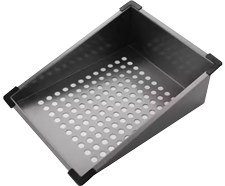
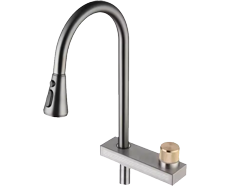
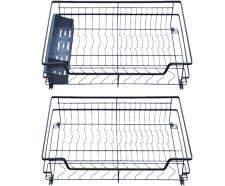
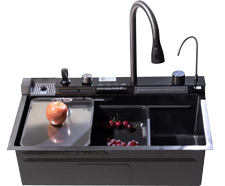
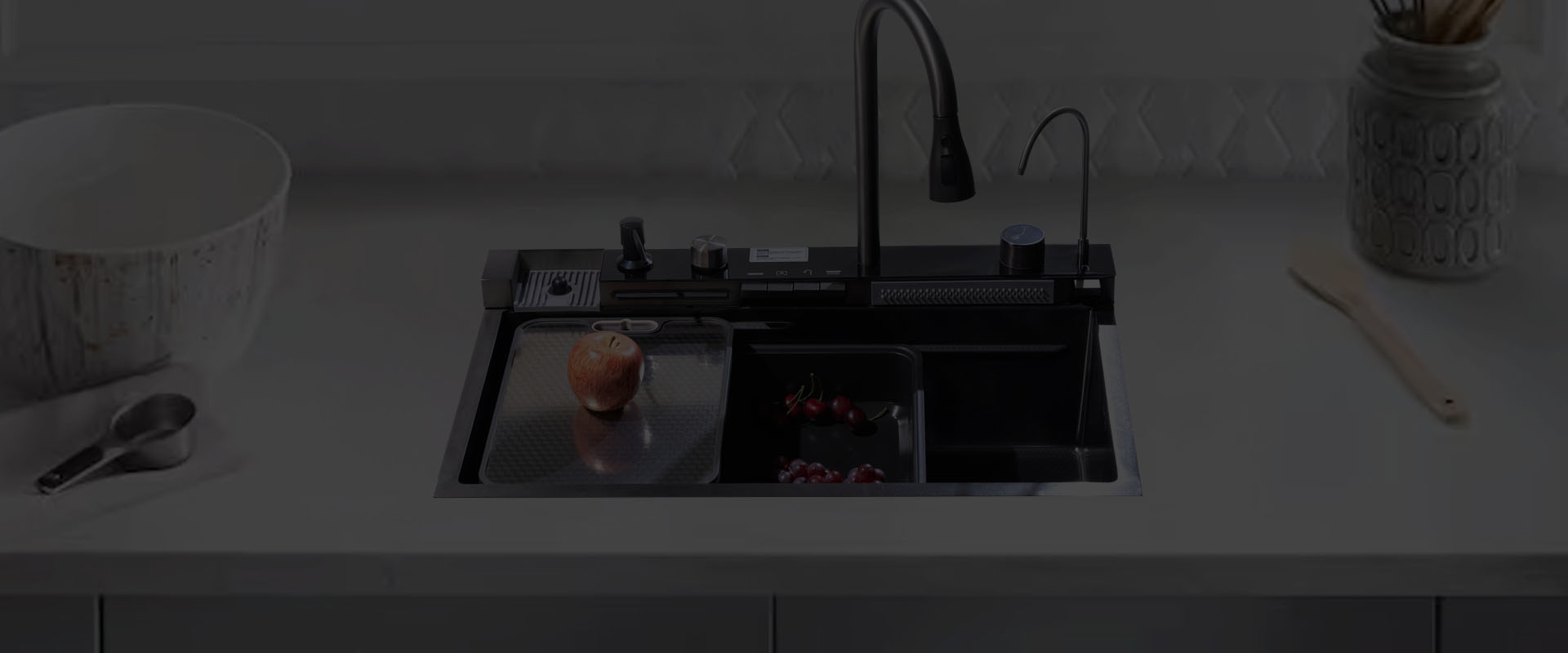
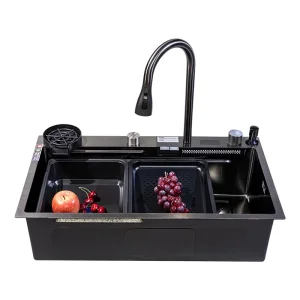
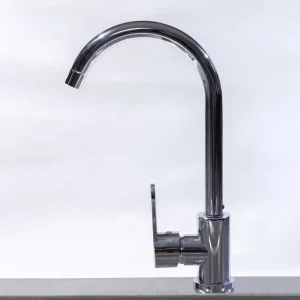
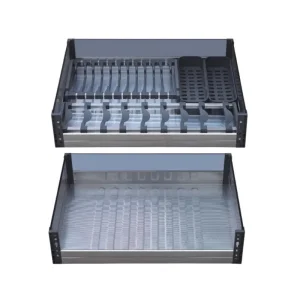
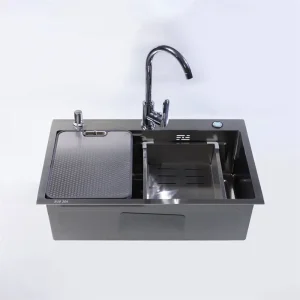
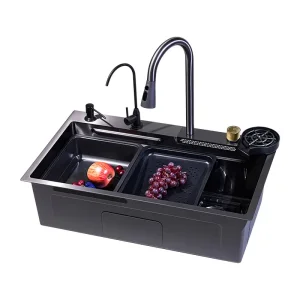
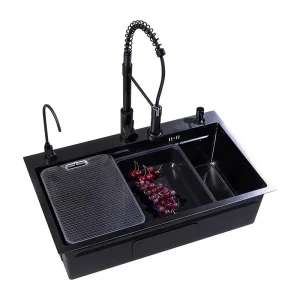
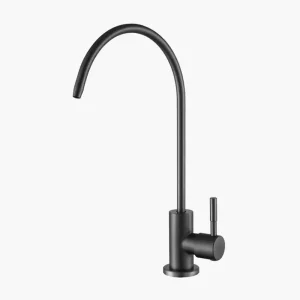
Our commitment to detail shines through in our product lines. Daily life starts from the kitchen, and our design philosophy merges utility with physical beauty. From laser-cut drain baskets that integrate with modern single-bowl configurations to solid SUS304 faucets designed for high-pressure installations, each piece undergoes strict calibration before leaving our factory floor.
A structured, quality-controlled design and manufacturing workflow engineered to turn ideas into market-ready products.
We offer a complete customization process designed to guide your product from initial sketch to mass production. This structured workflow ensures that dimensional tolerances, material composition, and surface finishes meet your exact project specifications.

1. ID Design

2. 3D Modeling

3. Real Mold

4. Client Confirm

5. Modify Sample

6. Testing

7. Mass Production
Meeting regional architectural standards, plumbing codes, and local environmental regulations for successful international deployment.
Different markets present unique mechanical, chemical, and design requirements. In North American markets, residential installations require strict adherence to cUPC (Uniform Plumbing Code) certifications, which govern both lead content limits and structural backflow parameters. In the European Union, the CE marking and EN 13310 standards set the baseline for load-bearing capacity, drain speed, and ease of cleaning.
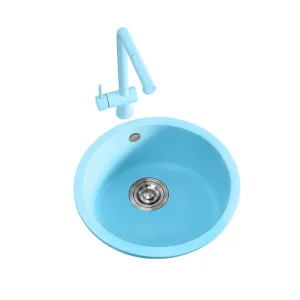
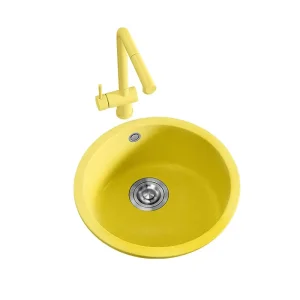
Our factory ensures full compliance across these regions. By utilizing high-grade SUS304 alloys that meet ASTM A240 standards, we guarantee that our materials resist local water conditions—including hard, mineral-rich municipal water common in regions like the American Southwest or Southern Europe. Additionally, we customize product designs for specific localized uses. For example, our Bee Yellow Kindergarten Sinks feature rounded edges and child-safe heights that align with regional early-childhood safety codes in schools. Meanwhile, our heavy-duty commercial sinks are built to withstand the rigorous demands of institutional kitchens.
Stay informed with the latest updates on materials engineering, real estate demands, and design innovations from our R&D teams.
Explore how integrated smart water sensors, built-in waste management, and touchless control configurations are redefining residential plumbing systems.
An in-depth analysis of workflow optimization in commercial restaurant kitchens, focusing on ergonomics, double-bowl configurations, and soundproofing technologies.
How real estate renovations in North America and urbanization in Asia are driving demand for SUS304 sinks, pushing factories toward automated manufacturing.
Key technical details and material performance information for engineers, developers, and global sourcing specialists.
Quality is determined by the raw material grade (typically SUS304 with 18/8 Chromium-Nickel balance), uniform thickness (ranging from 16 to 18 gauge for commercial grade), and sound-dampening insulation. Additionally, precision corner-radii welding and thorough surface passivation are essential to protect the material from rust.
No. Our Physical Vapor Deposition (PVD) process bonds color directly to the steel at a molecular level, creating a durable layer rather than a simple surface coating. For added protection, we apply a clear ceramic nano-coating. This layer shields the finish from scratches and prevents fingerprint marks during daily use.
Our engineering team completes 3D models within 5 working days of design approval. Creating the test mold and casting the initial sample takes 25 to 30 days. Once the client approves the sample, we can begin mass production within 20 days, depending on order size.
We subject all products to a chemical passivation bath. This wash removes free iron and contaminants from the surface, allowing a clean chromium oxide layer to form. We also use moisture-absorbing packaging to protect the products during overseas shipping.
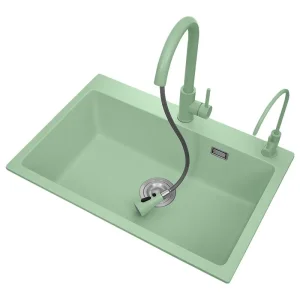
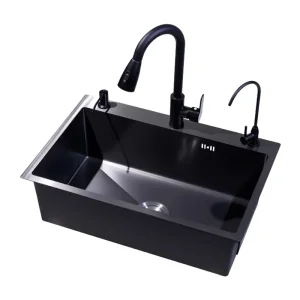
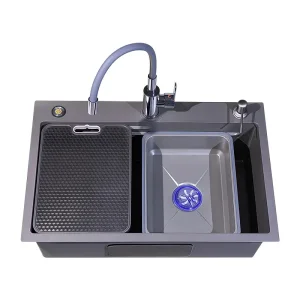
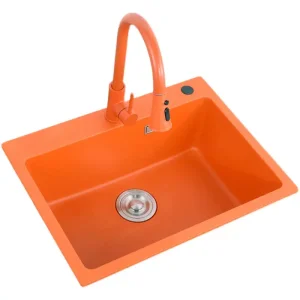
Browse additional models and color configurations designed to fit varying kitchen layouts and installation specifications.
 YiGeng