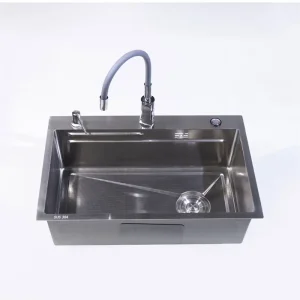
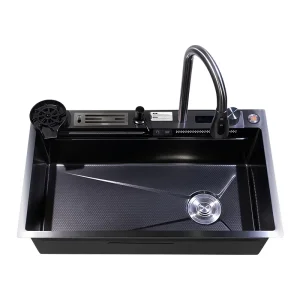
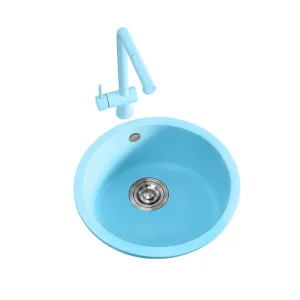
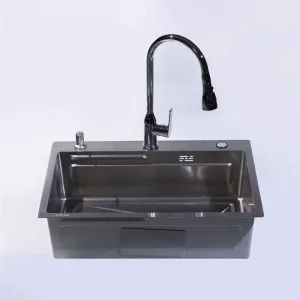
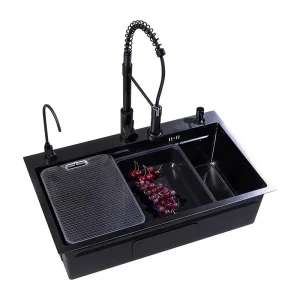
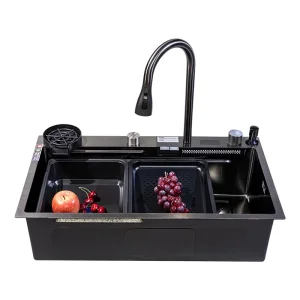
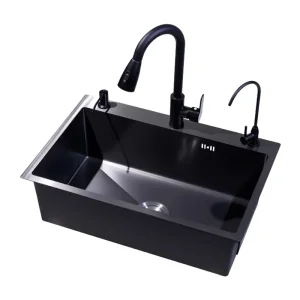
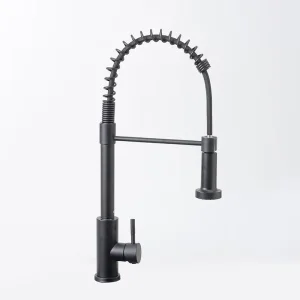
Engineered for Commercial Longevity, Residential Aesthetics, and Precise Hydromechanical Flow Systems
In modern real estate development, hotel construction, and large-scale public facilities, the structural layout of the kitchen sink plumbing system acts as a key element of operational safety and structural hygiene. The plumbing network of a commercial kitchen is not merely a combination of simple drains and metal basins; it is a complex hydromechanical engineering interface that regulates water flow, pressure variations, dynamic chemical loads, and hygiene management. As global urbanization intensifies and environmental hygiene standards tighten, builders are moving away from traditional, low-performance plumbing configurations toward high-performance materials and complex, integrated designs.
From residential properties in North America to institutional buildings in Europe and highly active commercial centers in the Asia-Pacific region, the demand for high-durability kitchen sink plumbing has grown significantly. High-quality plumbing systems prevent water hammer issues, leaks, and early material wear from aggressive dishwashing detergents, helping operators avoid business disruptions and structural damage. Specifiers must select products with precise engineering design and proven performance, ensuring the hardware matches localized building regulations, flow restrictions, and spatial parameters.

Scaling Production Capabilities to Meet the Demanding Rigors of Global B2B Supply Chains
As a leading supplier in the kitchen appliances industry, Henan Yigen Kitchen & Bathroom Co., Ltd. has established a comprehensive manufacturing and trade network. Specializing in high-performance handmade sinks, pull-out baskets, drain baskets, premium toilets, and showerheads, we have optimized our facilities to handle complex custom projects. With a massive 50,000-square-meter facility, we integrate structural design, material processing, welding, surface finishing, and quality control under one roof. Our team of 700+ skilled workers operates precision machinery to ensure consistent dimensions across large production runs.
Our engineering capability is anchored by 25 technical R&D engineers and 10 professional designers. This team focuses on hydraulic research, material testing, and ergonomics to develop plumbing components that exceed market expectations. Through continuous design improvement, we hold multiple design patents and have developed proprietary noise-reduction coatings. These developments help us serve a global market, with thousands of active international buyers relying on our product consistency, timely shipping, and compliance support.
The Engineering Behind Corrosion Resistance, Acoustics, and Flow Rates
To produce a high-performance kitchen sink plumbing system, manufacturers must control every step of the material science process. Henan Yigen uses premium SUS304 stainless steel containing 18% chromium and 8% nickel. This alloy creates a self-healing chromium oxide layer on the metal surface, providing excellent resistance to pitting, chemical corrosion, and organic acids. For highly demanding commercial kitchens, we offer advanced PVD nano-coating treatments. This process applies a thin, hard ceramic layer to the steel, protecting it from scratches and repelling oil and water to simplify cleaning.
Acoustic comfort is also key to modern kitchen design. Heavy dishwashing can generate loud noises in metal sinks. To address this, Henan Yigen applies dense, non-toxic EVA sound-dampening pads to the outer underside of our sinks, paired with an anti-condensation latex coating. This dual-layer protection dampens structural vibrations and prevents moisture buildup on the exterior of the sink under high humidity, protecting your kitchen cabinetry from rot and mold.
Aligning Mechanical Engineering Specifications with International Building and Plumbing Codes
Global markets require strict adherence to local building and plumbing regulations. An OEM/ODM partner must understand these codes to prevent project delays and customs issues. Henan Yigen adapts its product designs to meet regional certification requirements:
Additionally, we adjust our supply chain packaging to protect products during long-distance shipping, including custom wood crates and moisture-barrier packaging to ensure components arrive in pristine condition.
Our Process for Converting Industrial Specifications into High-Quality, Volume-Produced Realities
Our design team creates concepts and layout plans based on target aesthetics, spatial constraints, and mechanical functions.
Engineers build high-precision CAD models and run structural simulations to evaluate water flow and mechanical performance.
Our workshop creates custom molds and tooling, using precision CNC machining to achieve tight tolerances.
We produce initial prototypes for physical verification, checking dimensions, assembly fit, and visual finish.
We modify the tooling based on sample evaluations, adjusting parameters to ensure optimal production yield.
Prototypes undergo structural stress, leak, salt-spray, and lifecycle tests to confirm durability before approval.
Using our ISO-managed production lines, we fabricate, finish, inspect, and package your order for global delivery.
Explore Our Specialized Sinks, Pull-Out Faucets, and Custom Flat Steel Basket Systems
Answering Key Questions from Commercial Buyers, Architects, and Procurement Officers
 YiGeng