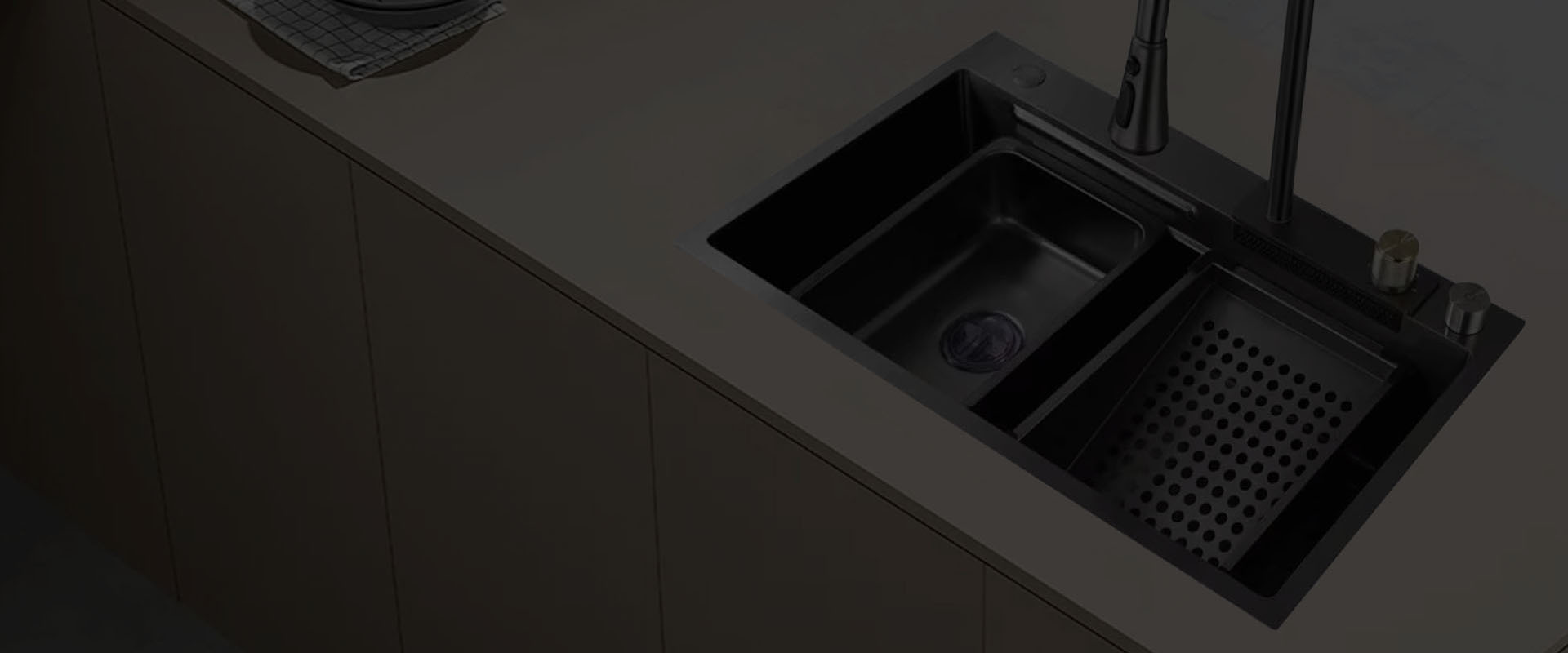
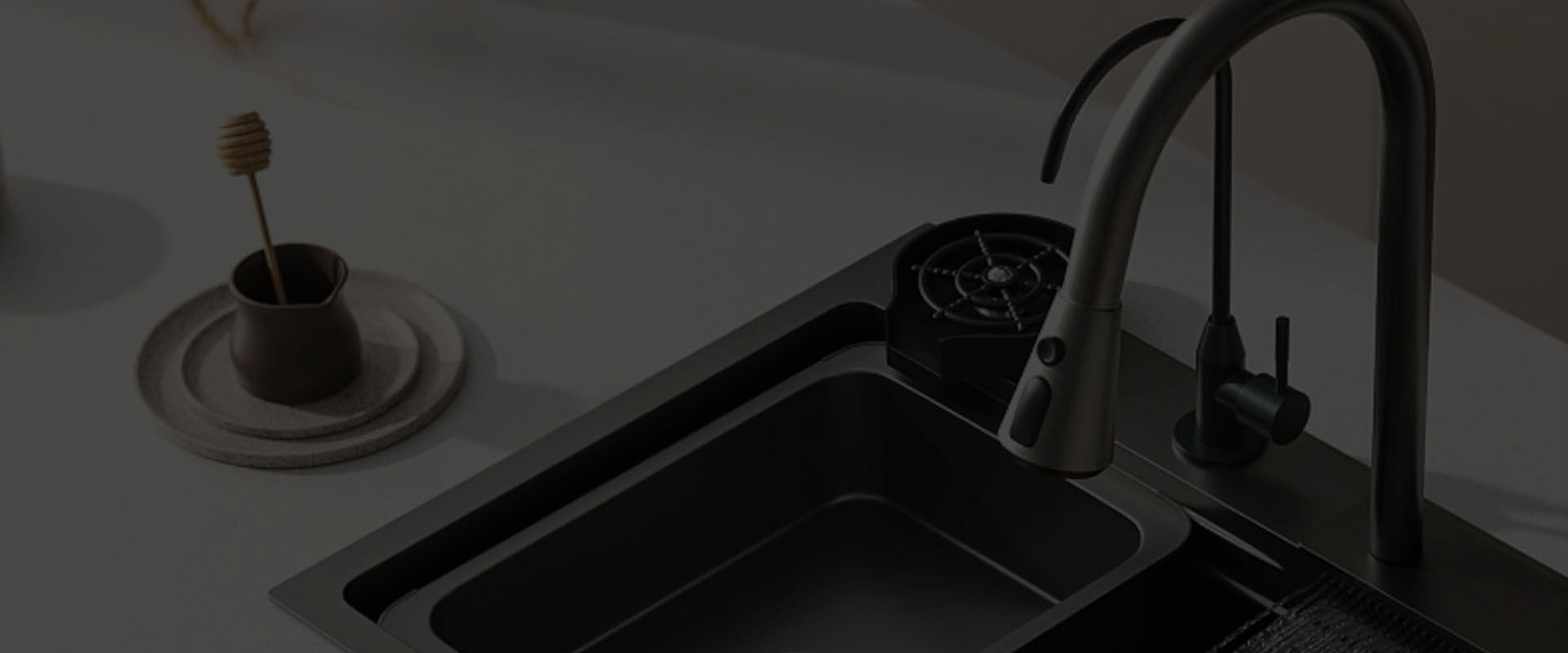
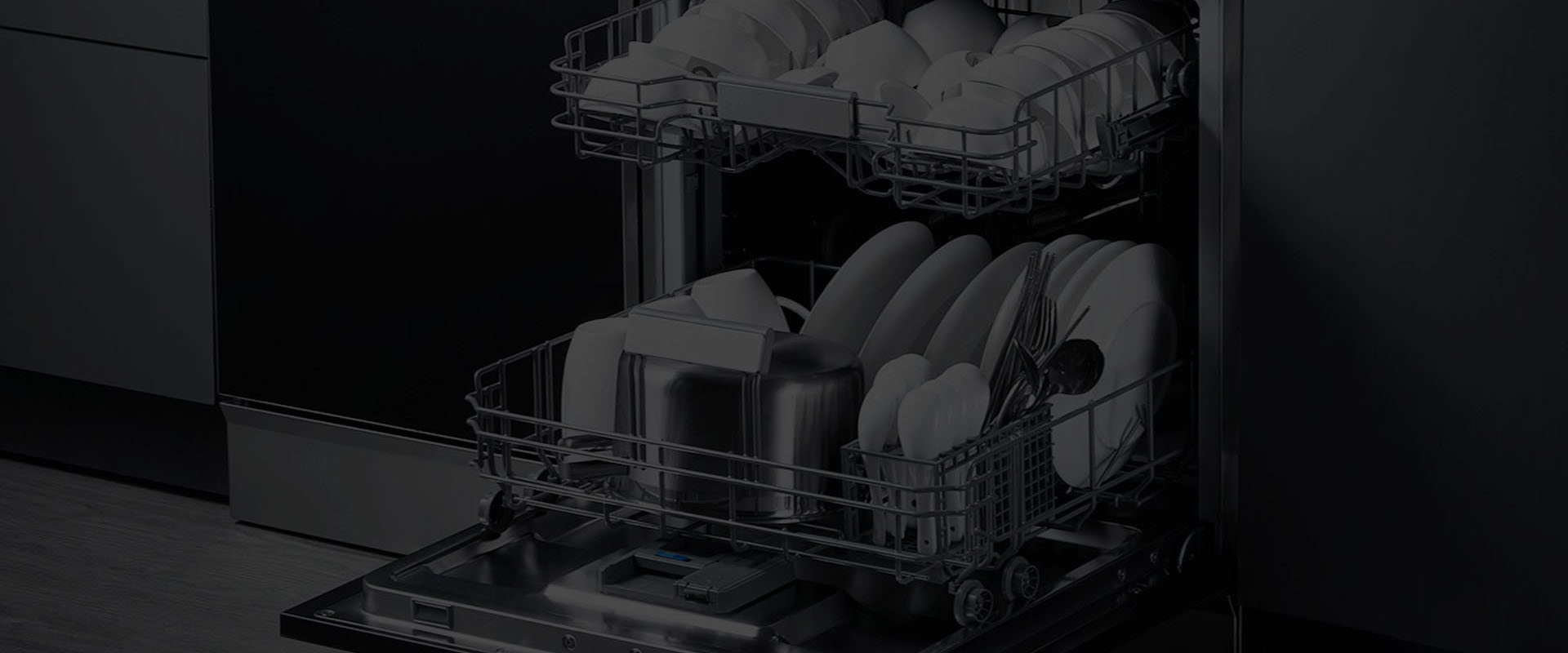
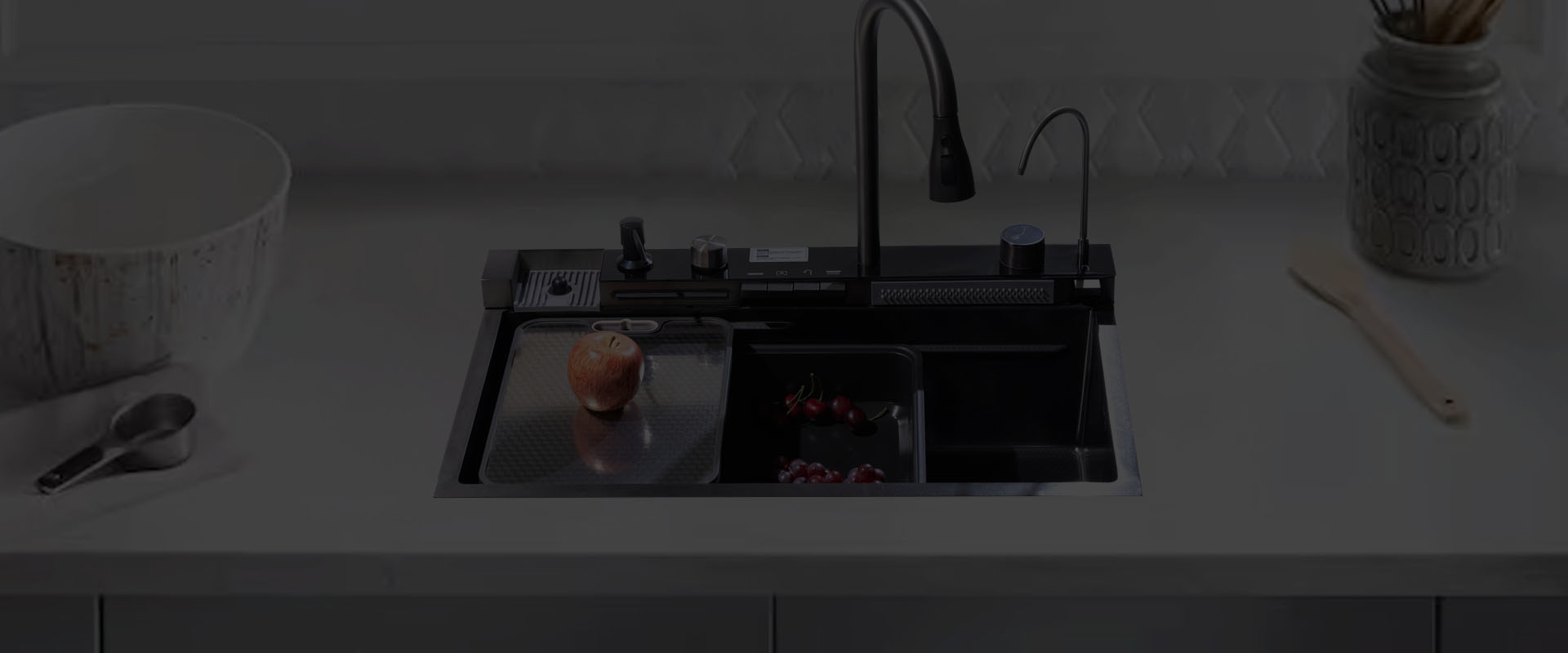
Premium architectural hardware optimized for precision, ergonomics, and aesthetic excellence
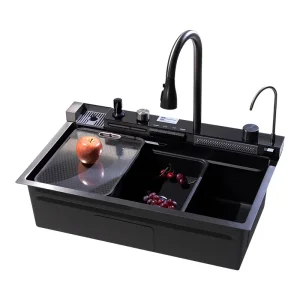
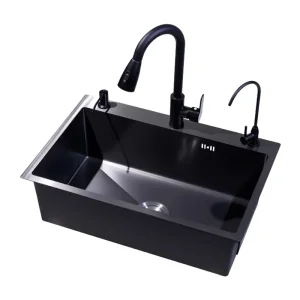
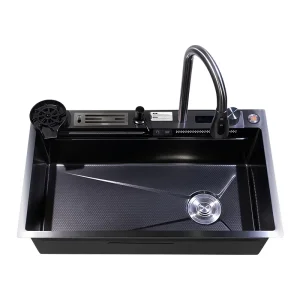
The global kitchen plumbing fixture market is undergoing a seismic paradigm shift. What was once treated as a simple, utilitarian vessel for basic sanitation has now evolved into the central command center of the modern residential kitchen. According to recent macroeconomic research, the global demand for premium handmade kitchen sinks is projected to grow at a compound annual growth rate (CAGR) of 6.2% between 2024 and 2030, driven heavily by rapid urbanization, high-end residential renovations, and an increasing appreciation for ergonomic, space-optimized kitchen layouts.
Currently, manufacturers face the challenge of reconciling two distinct user demands: the desire for heavy-duty, industrial-grade durability and the aesthetic integration of sleek, modern designs. To satisfy these competing priorities, leading global factories have developed automated precision manufacturing lines capable of manipulating high-gauge SUS304 and SUS316 stainless steel with tolerances down to the sub-millimeter level.

At the forefront of this industrial transition stands Henan Yigen Kitchen & Bathroom Co., Ltd., a comprehensive manufacturer and trade pioneer specializing in hand-made sinks, functional pull-out baskets, integrated drain systems, and premium water-saving faucets. By utilizing state-of-the-art hydraulic presses, CNC laser cutting arrays, and advanced surface-treatment booths, we produce modern architectural solutions tailored to the strict requirements of international importers, B2B wholesale buyers, and bespoke interior contractors.
Modern kitchen sink engineering relies heavily on metallurgy and advanced chemical coatings to withstand the harsh daily environment of chemical cleaning agents, thermal shocks, and mechanical abrasive forces.
High-quality modern sinks must utilize SUS304 stainless steel as an absolute baseline, with a nominal composition of 18% chromium and 8% nickel. The high chromium content reacts with atmospheric oxygen to form a microscopic, self-healing chromium oxide passivation layer that prevents rust and deep pitting corrosion. For environments exposed to high salinity or acid-heavy cleaning solutions, premium lines integrate SUS316 stainless steel, containing molybdenum for enhanced resistance to localized chloride attacks.
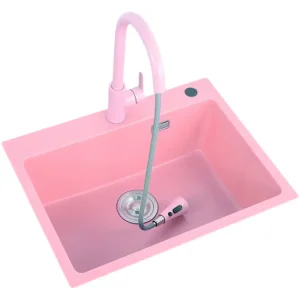
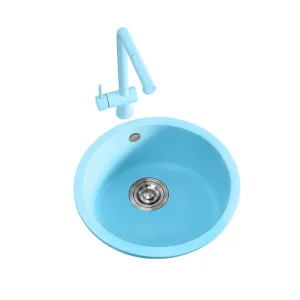
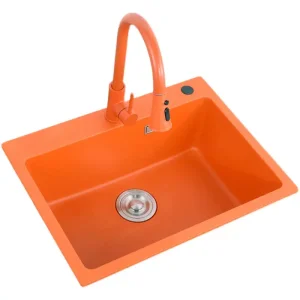
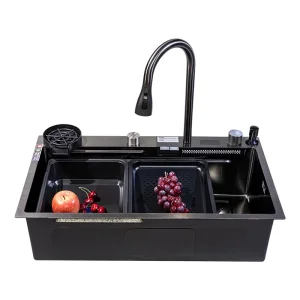
To move beyond traditional brushed steel finishes, modern designers utilize Physical Vapor Deposition (PVD). This process takes place inside a high-vacuum chamber where solid metals are vaporized and deposited as a thin, dense, and highly adherent alloy coating. PVD nano-coating not only unlocks color variations—such as gold, gunmetal grey, deep black, and custom colors like Hermes Orange or Barbie Pink—but also drastically improves surface hardness (often exceeding 9H on the Mohs scale) and introduces hydrophobic properties that force water to bead and slide away, preventing water spots and mineral buildup.
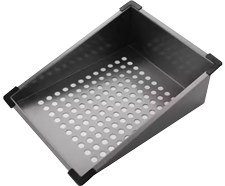
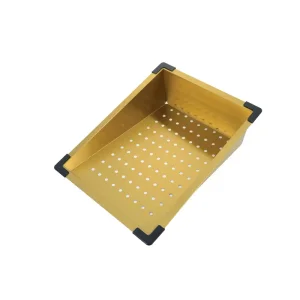
Precision-fit colanders made of food-grade polymers and SUS304 wire meshes, designed to slide seamlessly along integrated sink steps.
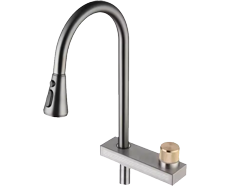
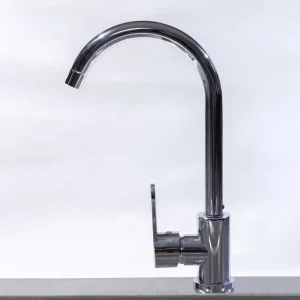
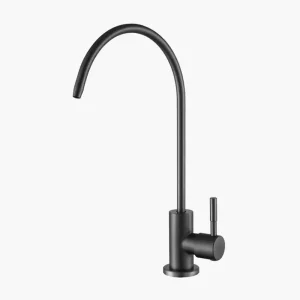
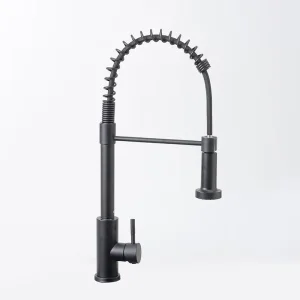
Faucets featuring lead-free copper waterways, ceramic cartridges tested up to 500,000 cycles, and multi-directional pull-out heads.
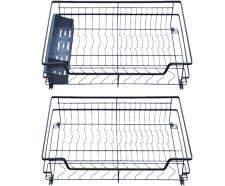
Durable under-cabinet pull baskets featuring heavy-duty soft-close drawer slides that maximize storage efficiency.
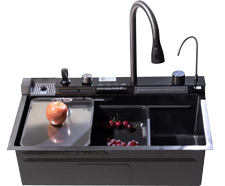
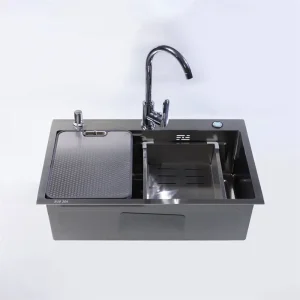
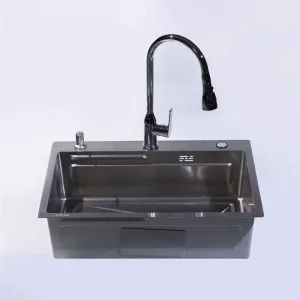
Constructed from heavy 16-gauge or 18-gauge steel, with R10 tight radius corners that balance minimalist design and easy cleaning.
Water striking thin metal surfaces generates high-frequency acoustic waves that contribute to kitchen noise pollution. Modern high-quality sinks feature heavy-duty rubber or EVA (Ethylene-Vinyl Acetate) sound dampening pads applied to the exterior bottom and sides of the sink bowl. Additionally, a non-toxic anti-condensation undercoating is sprayed over these pads to prevent moisture condensation. This prevents wood rot in kitchen cabinetry by isolating temperature variations between warm air inside the cabinet and cold water inside the sink basin.
Kitchen design trends vary significantly across geographical regions and demographic groups. By analyzing search intent, we have customized our product catalog to meet these specific local demands:
To ensure total reliability and customer satisfaction, Henan Yigen maintains a rigorous, 7-step engineering pipeline for all custom kitchen plumbing hardware. This structured workflow translates creative concepts into production-ready, high-performance products:

1. Provide ID Design

2. 3D Modeling

3. Tooling & Mold Open

4. Sample Confirmation

5. Refine & Modify

6. Rigorous Sample Testing

7. Automated Mass Production
This methodical approach allows us to control production tolerances to strict margins, verify flow dynamics, validate anti-condensation properties, and test surface finish durability before mass production. Our R&D team works closely with global clients to ensure all local safety certifications (such as UPC, cUPC, and NSF) are fully achieved during the prototyping phases.
Many building contractors face compatibility issues when purchasing kitchen fixtures from separate vendors. A mismatch of just 1-2 millimeters between a sink's internal tracks and a drain basket can cause stability issues and lead to scratches. Similarly, using mismatched plumbing connections can result in slow drainage or leaking.
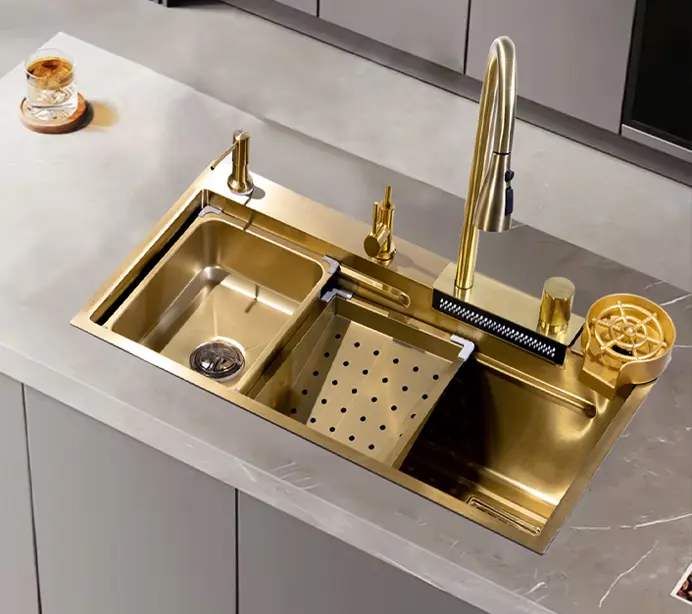
By designing and manufacturing sinks, faucets, pull-out baskets, and drain accessories under one roof, Henan Yigen offers a fully integrated, modular kitchen system. This setup ensures that every accessory slides smoothly along the tracks, that plumbing threads align perfectly, and that the metal finishes match consistently across all fixtures. Choosing a unified package simplifies sourcing, reduces transit costs, and guarantees a cohesive design aesthetic.
To keep our clients updated on market trends and technical developments, our engineering team regularly publishes analyses detailing the latest developments in materials and design:
An in-depth look at how PVD physical vapor deposition is changing high-end residential kitchen design with durable colors like black, gold, and custom colorways.
How multi-tier ledges are saving counter space by integrating cutting boards, colanders, and dish racks directly into the sink footprint.
A geographical analysis of the high demand for custom kitchen fixtures in North America, Western Europe, and rapid urban growth regions in Southeast Asia.
This section addresses the most common questions raised by developers, distributors, and quality assurance teams during the selection and installation of modern kitchen sinks:
A: The key difference lies in the alloy composition. SUS304 contains 18% chromium and 8% nickel, which provides excellent corrosion resistance under daily kitchen use. In contrast, 201 stainless steel contains higher manganese and lower nickel, making it much more susceptible to surface rust, oxidation, and pitting over time.
A: PVD (Physical Vapor Deposition) nano-coating significantly increases surface hardness (often up to 9H). However, avoiding abrasive cleaning tools like steel wool is still recommended. Instead, use soft cloths or sponges with mild soap. The hydrophobic layer helps shed water quickly, making aggressive scrubbing unnecessary.
A: Handmade sinks are constructed from thicker sheet metal (usually 16 or 18 gauge, 1.2mm to 1.5mm thickness) that maintains its uniform thickness throughout the corners. Machine-pressed sinks are often made from thinner metal that stretches and thins in the corners during pressing, making them more vulnerable to dents and corrosion.
A: Filling a sink with ice or cold water chills the stainless steel basin, causing warm, humid air in the cabinet beneath to condense on the cold outer surface. An anti-condensation coating isolates this thermal difference, absorbing minor humidity and preventing water droplets from dripping onto and damaging the wooden cabinets below.
A: An R10 (10mm radius) or R15 corner design is the industry standard for modern sinks. These tight-radius corners provide the clean, geometric look of zero-radius corners while remaining easy to clean, preventing dirt and grime from building up in sharp 90-degree joints.
Commercial-grade construction designed for high-performance and demanding environments
 YiGeng