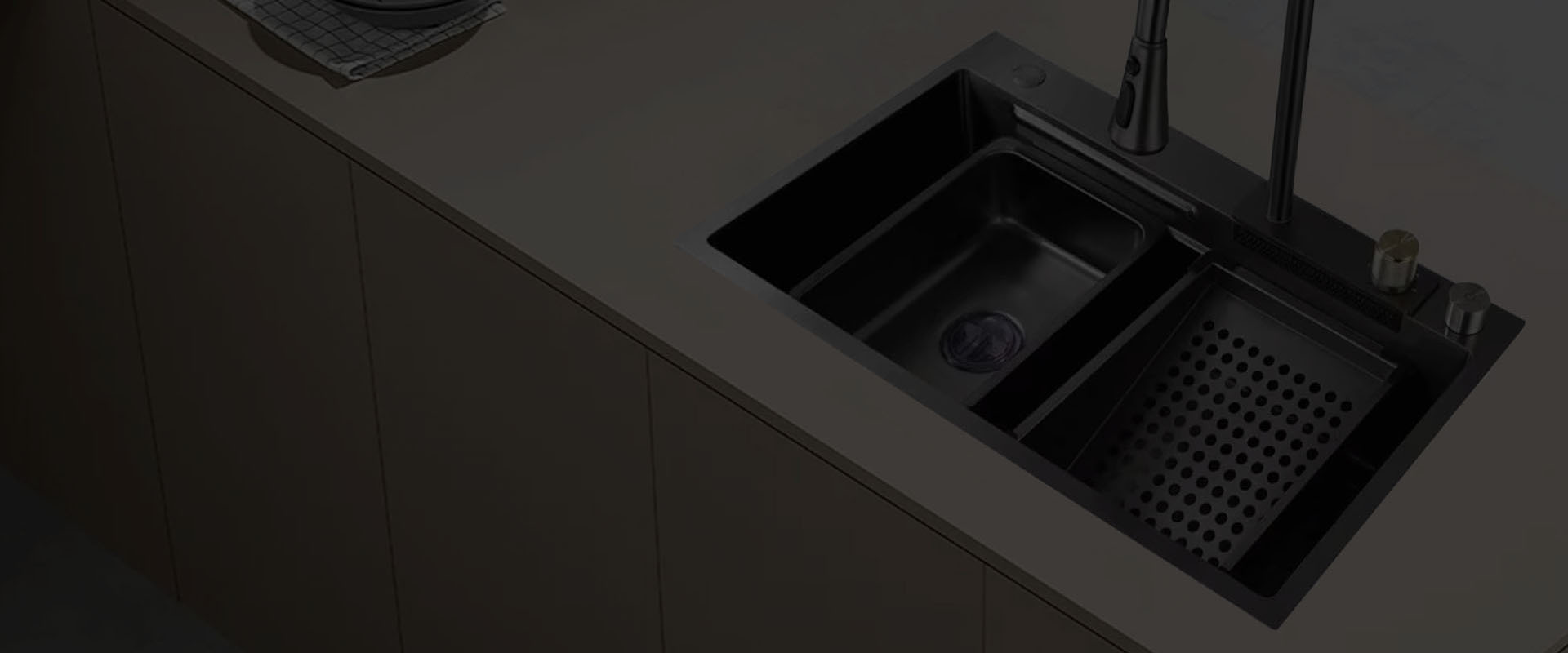
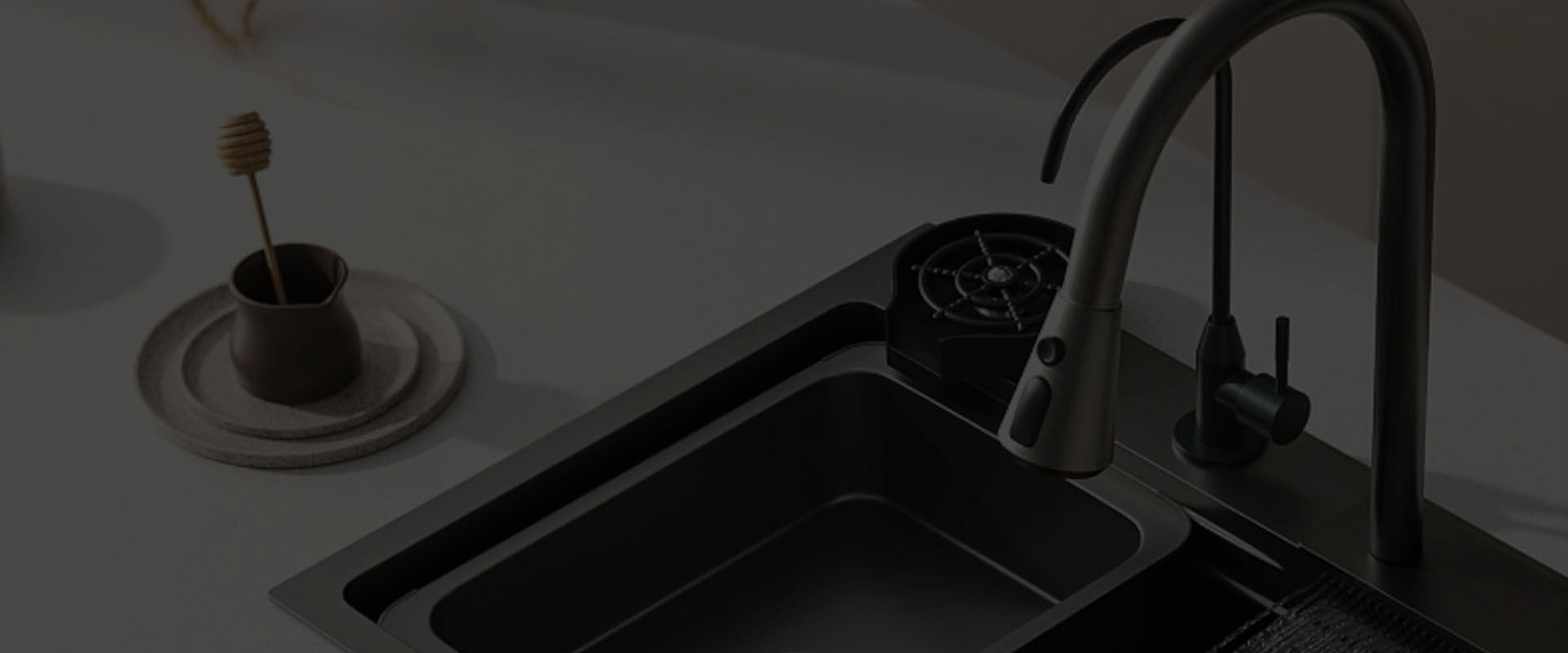
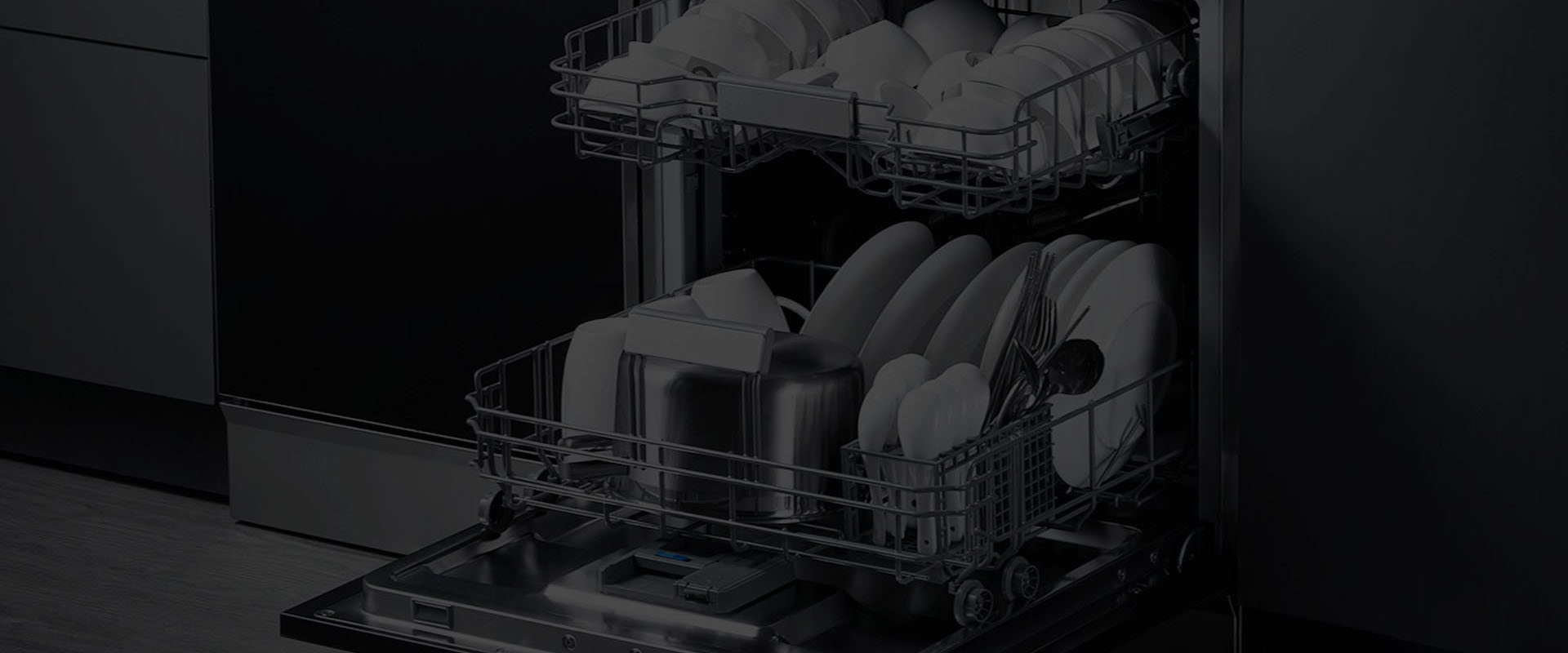
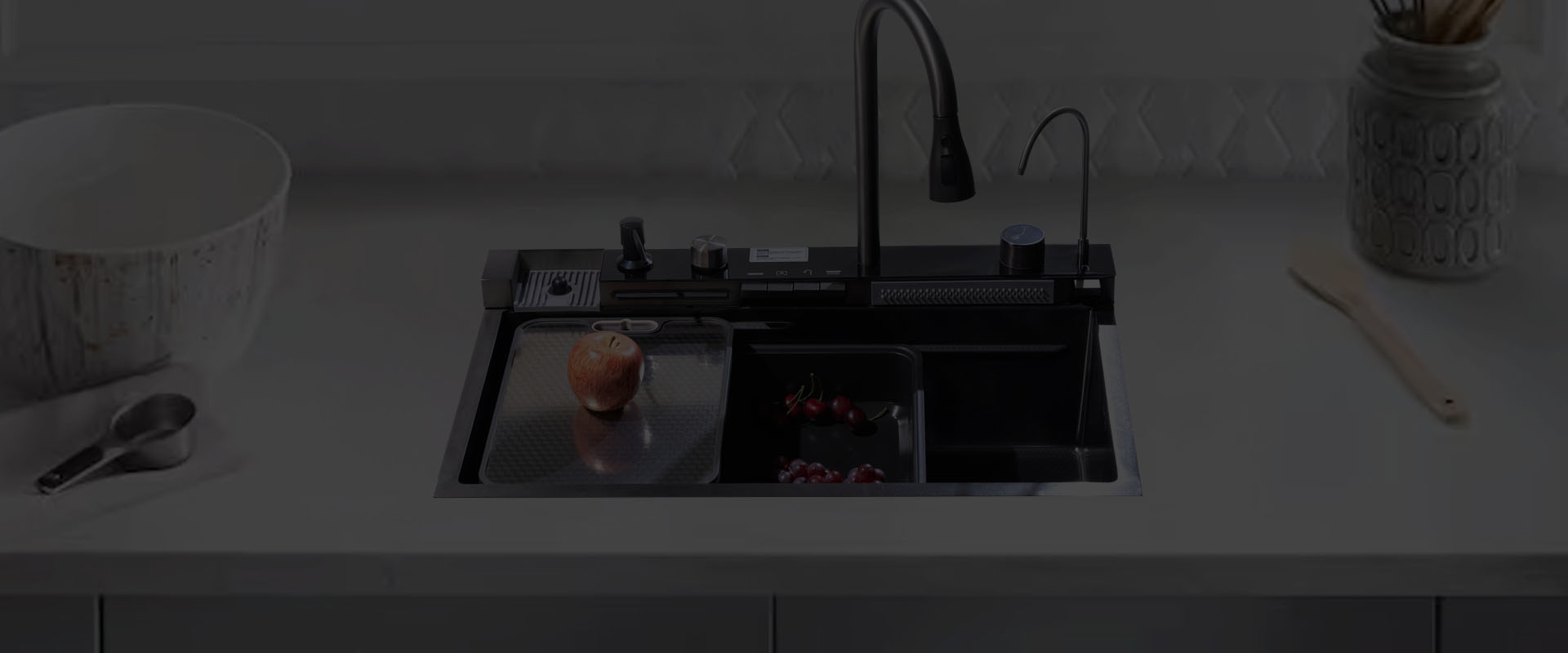
Direct factory access to globally certified kitchen sinks, sanitary ware, and smart structural fittings.
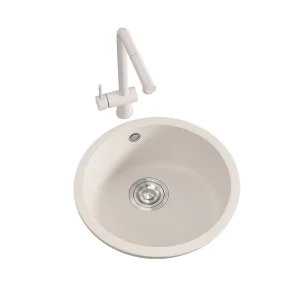
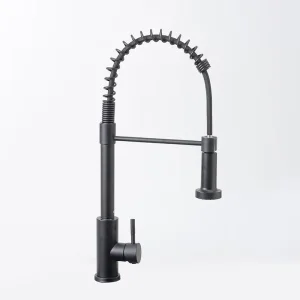
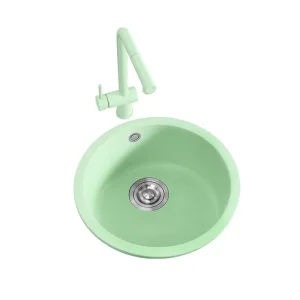
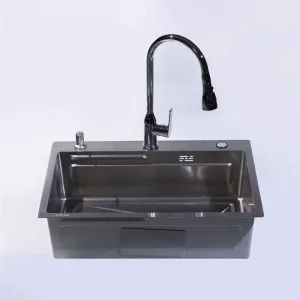
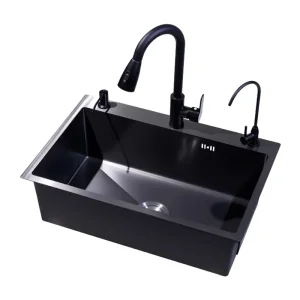
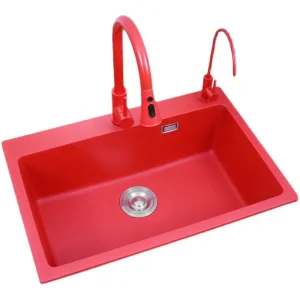
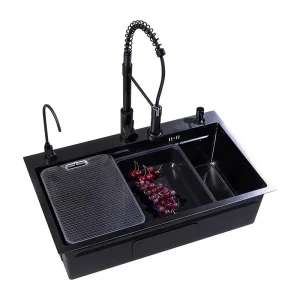
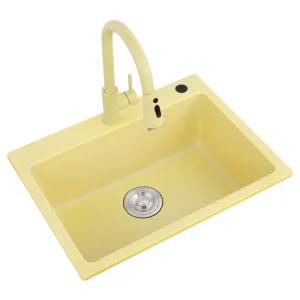
The global kitchen and bathroom fixtures market has undergone a significant paradigm shift. Modern B2B procurement is no longer driven solely by basic cost metrics; instead, it centers on supply chain security, environmental compliance, and high performance. Developers, architects, and international distributors require direct-from-factory partnerships that guarantee raw material purity (such as medical-grade SUS304/SUS316 stainless steel) and innovative manufacturing capabilities like nano-ceramic physical vapor deposition (PVD) finishes.
From commercial real estate developments in North America to luxury hospitality renovations in Western Europe, the requirements for sanitary ware are increasingly stringent. Procuring organizations must navigate local structural regulations—including lead-free water passage mandates, UPC/CUPC certification standards, and water flow efficiency caps. A high-quality kitchen and bath supplier must operate as a highly technical manufacturing partner, capable of providing custom CAD/CAM design iterations, rapid tool prototyping, and reliable mechanical batch consistency.
Ensuring minimum chromium (18%) and nickel (8%) content in stainless steel configurations to prevent premature crevice corrosion and structural degradation under commercial use cycles.
Strict adherence to regional standard requirements, including NSF/ANSI 61 for drinking water safety, CE markings for European markets, and CUPC certification for North American construction codes.

Henan Yigen Kitchen & Bathroom Co., Ltd. is a globally integrated enterprise focusing on the high-precision manufacturing, customization, and export trade of handmade kitchen sinks, pull-out baskets, space-optimized drain baskets, smart toilets, and multi-functional showerheads. Through advanced engineering and scalable manufacturing processes, we provide customized OEM/ODM industrial solutions designed to satisfy high-volume commercial needs and unique custom requests.
Our commitment to engineering advancement ensures long-term product durability and functional superiority.
Utilizing high-tensile, cold-rolled stainless steel sheets with strict chemical composition controls. Our products resist pitting, oxidation, and structural fatigue in high-humidity commercial environments.
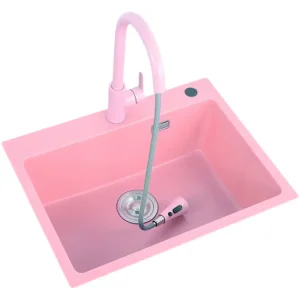
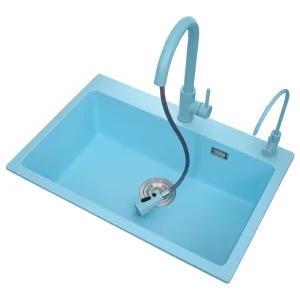
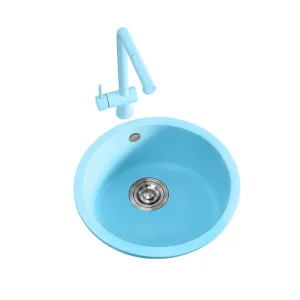
Our state-of-the-art Physical Vapor Deposition (PVD) chambers bond micro-layers of titanium alloys to the sink surface. This results in scratch-resistant finishes available in specialized colors including Rose Gold, Matte Black, Macaron custom shades, and high-visibility Red.
Every sink is equipped with 3mm thick rubber acoustic dampening pads on all sides, paired with a non-toxic, moisture-resistant condensation preventive coating to protect cabinetry from structural rot.
Utilizing high-power robotic fiber laser systems to achieve clean 10mm radius (R10) corners, combining the easy cleaning of rounded profiles with the modern aesthetic of zero-radius handmade sinks.
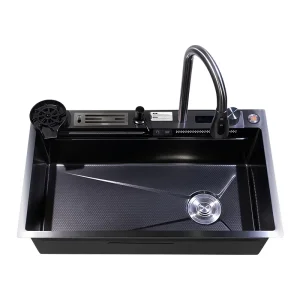
Explore our core product categories, each designed to improve space utilization and daily functionality.
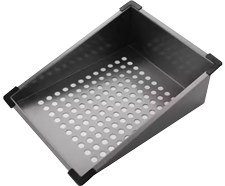
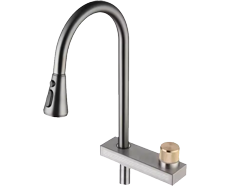
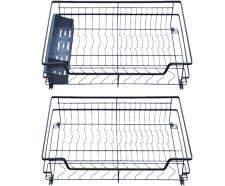
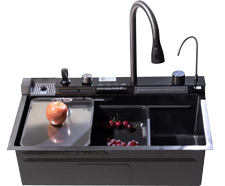
Combining structural integrity with modern industrial aesthetics to support high-performance applications.

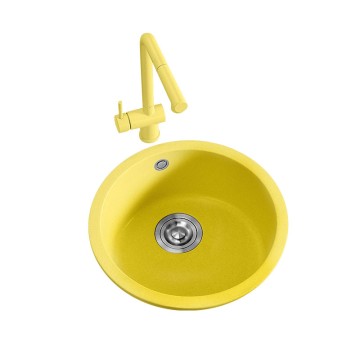
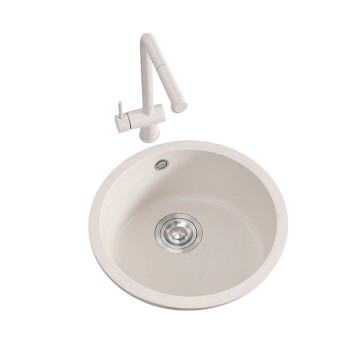
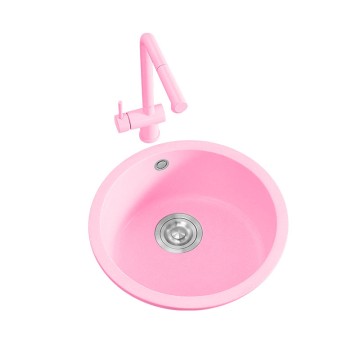
Combining physical product manufacturing with holistic space optimization for modern residential projects.
Our solutions cater to the logistical realities and timeline pressures of global real estate development. We recognize that commercial projects cannot afford delays or material inconsistencies. Our factory integration model addresses these bottlenecks by linking advanced design pipelines directly to our production lines. This allows us to handle customized dimensions, specialized colors, and varying volume requirements under single-source quality control.
Whether you are outfitting a 500-unit apartment building in New York, a high-end luxury resort in Bali, or modular residential spaces in Tokyo, we provide dedicated support. This includes providing detailed structural drawings, sample validation, custom structural stampings, and coordinated cargo logistics. By eliminating intermediate sourcing layers, we help optimize project cost efficiency and ensure direct engineering oversight.
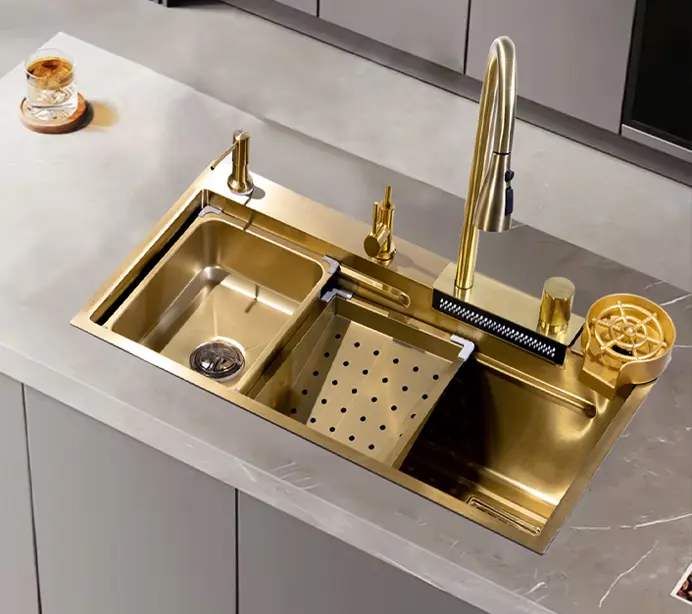
A step-by-step engineering and design protocol to bring your custom project concepts to volume production.

1. Custom ID Design

2. 3D Modeling

3. Mold Production

4. Sample Approval

5. Revision & Tuning

6. Testing & QA

7. Mass Production
Our production processes align with international quality control frameworks. By sourcing directly from our facility, you ensure your project conforms to critical safety, environmental, and structural standards.
Our logistical services are designed to protect your cargo during long-distance transit. Standard export packaging features custom-fit high-density molded foam inserts, triple-wall corrugated shipping boxes, and heavy-duty corner protectors to prevent edge damage.
Additionally, we handle mixed-product container load optimization to help minimize ocean freight costs. By coordinating shipping schedules, customs paperwork, and certificate validation in advance, we help prevent delays at ports of entry, allowing you to stay on schedule.
Insights into material science breakthroughs, global design shifts, and commercial kitchen standards.
As smart cities demand lower carbon footprints, manufacturers are prioritizing recyclable metals and resource-efficient coating processes.
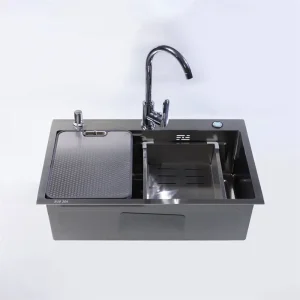
Read Technical Paper →Multi-functional workstation sinks featuring integrated cutting boards, colanders, and rinsers are reshaping modern high-density apartment designs.
Read Technical Paper →Analyzing key structural factors driving the demand for antimicrobial finishes and lead-free water infrastructure across global markets.
Read Technical Paper →A deeper look at structural mechanics, metallurgical properties, and manufacturing engineering.
1. Material Specifications and Chemical Analysis: Stainless steel is categorized by its metallurgical structure, which is determined by chemical composition. Grade SUS304 contains a minimum of 18% chromium and 8% nickel. The inclusion of nickel stabilizes the austenitic structure, giving the metal excellent corrosion resistance, ductility, and resistance to impacts at extreme temperatures. For environments exposed to high salinity or chemical cleaners, molybdenum can be added to create Grade SUS316. This addition helps prevent localized pitting and crevice corrosion, ensuring long-term structural integrity in demanding commercial applications.
2. Understanding Stainless Steel Gauges: The durability of a handmade sink is heavily influenced by sheet thickness, which is measured in gauge numbers. Commercial installations typically specify 16-gauge steel (approximately 1.5mm thick) or 18-gauge steel (approximately 1.2mm thick). Thicker 16-gauge sheets provide greater structural stability, reducing flexing under load, shifting when heavy commercial cookware is used, and overall vibration. Lower-quality consumer alternatives often use 20 or 22-gauge steel, which can lead to denting, louder water impact noise, and localized fatigue over time. Partnering with a dedicated factory ensures you receive verified, consistent sheet thickness across your entire order.
3. Physics of Physical Vapor Deposition (PVD) Coatings: Standard stainless steel has a brushed or polished silver finish. PVD technology expands design possibilities by allowing for durable colored options. The process occurs in a high-vacuum chamber heated to between 200°C and 450°C. Solid metal targets (such as titanium or zirconium) are vaporized by an electric arc or electron beam. A reactive gas is introduced to form a compound with the metal vapor, which deposits onto the sink surface as a thin, highly adherent film. This vapor-phase deposition creates a dense layer that is scratch-resistant, hydrophobic, easy to clean, and resistant to UV degradation.
4. Sound Control and Anti-Condensation Engineering: Running water and shifting dishes can make stainless steel sinks loud. To address this, we apply heavy rubber sound-deadening pads to the exterior of the sink bowls. These pads dampen structural vibrations and absorb sound energy, reducing noise levels in open-plan spaces. Additionally, temperature differences between cold tap water and warm kitchen air can cause condensation on the sink's underside. Left unaddressed, this moisture can drip into cabinets, leading to mold growth and wood rot. Applying a specialized anti-condensation undercoating prevents moisture buildup and protects the surrounding cabinetry.
5. Waterway Architecture and Faucet Flow Control: Modern telescopic faucets require high-quality inner waterways and cartridge assemblies. Choosing lead-free brass bodies helps prevent lead leaching into drinking water, ensuring compliance with strict safety standards. Inside the faucet, ceramic disc cartridges are used to regulate water flow and temperature. These cartridges feature two polished ceramic discs that slide against each other, creating a watertight seal that resists wear from hard water minerals and particulate buildup. Tested to withstand up to 500,000 cycles, these cartridges help eliminate drips and reduce ongoing maintenance costs.
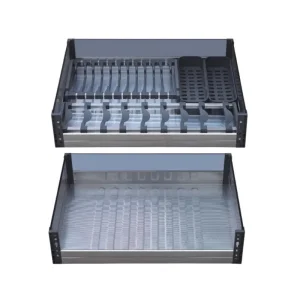
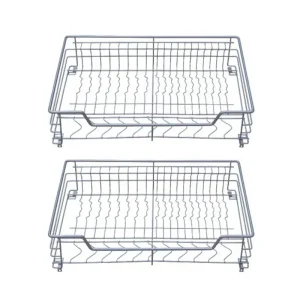
6. Structural Integration of Cabinet Pull-Out Baskets: Efficient kitchen design relies on maximizing space and improving accessibility. Pull-out baskets are engineered to organize under-sink and lower cabinet storage. Constructed from chrome-plated flat steel or tempered crystal glass panels, these systems must support significant weight without bending. High-quality pull-out baskets feature full-extension, soft-close ball-bearing drawer slides. These slides distribute load weight evenly and prevent cabinet doors from slamming, helping to extend the lifespan of the cabinetry in high-use residential layouts.
Answers to common questions from procurement managers, project engineers, and global distributors.
Additional custom-engineered components and space-saving systems from our manufacturing facility.

 YiGeng