 YiGeng
Evolutionary Industry Trends: The Smart Stainless Steel Sink Ecosystem
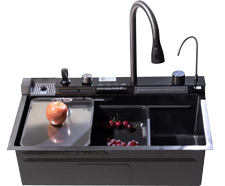
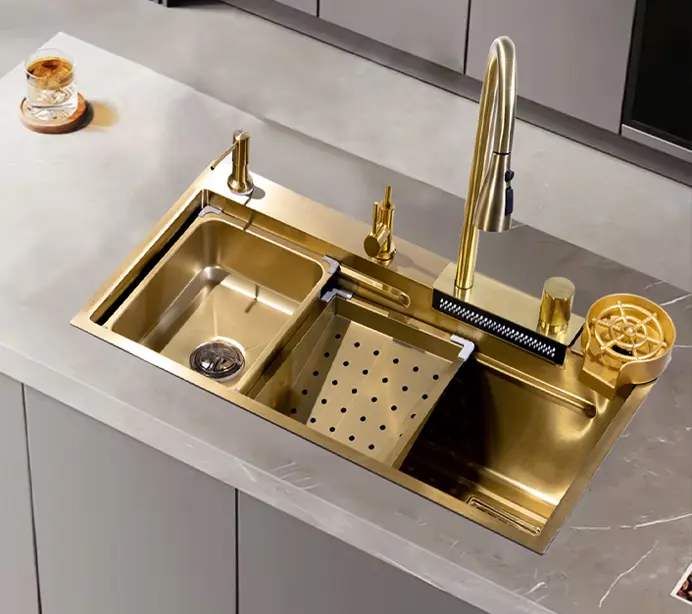
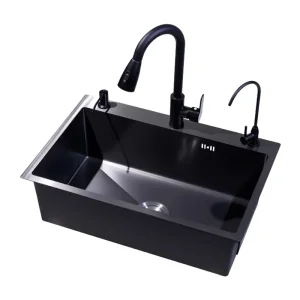
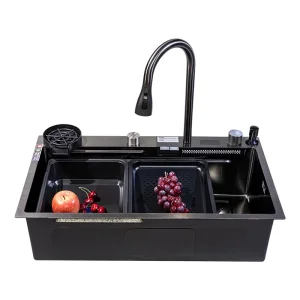
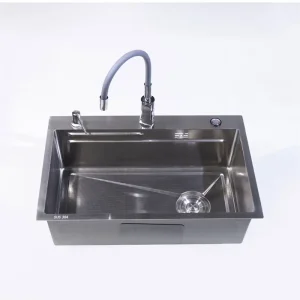
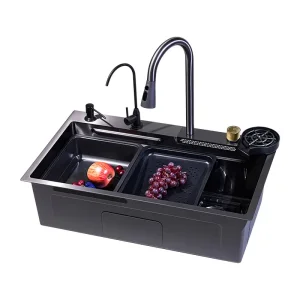
The contemporary landscape of global kitchen design and sanitary engineering is experiencing a significant structural migration. Historically conceptualized as secondary utility points, sinks have evolved into dynamic culinary workstation networks. This paradigm shift has driven the demand for high-quality stainless steel sinks to an all-time high, prompting suppliers and factories worldwide to adopt sophisticated metallurgical methods and mechanical designs.
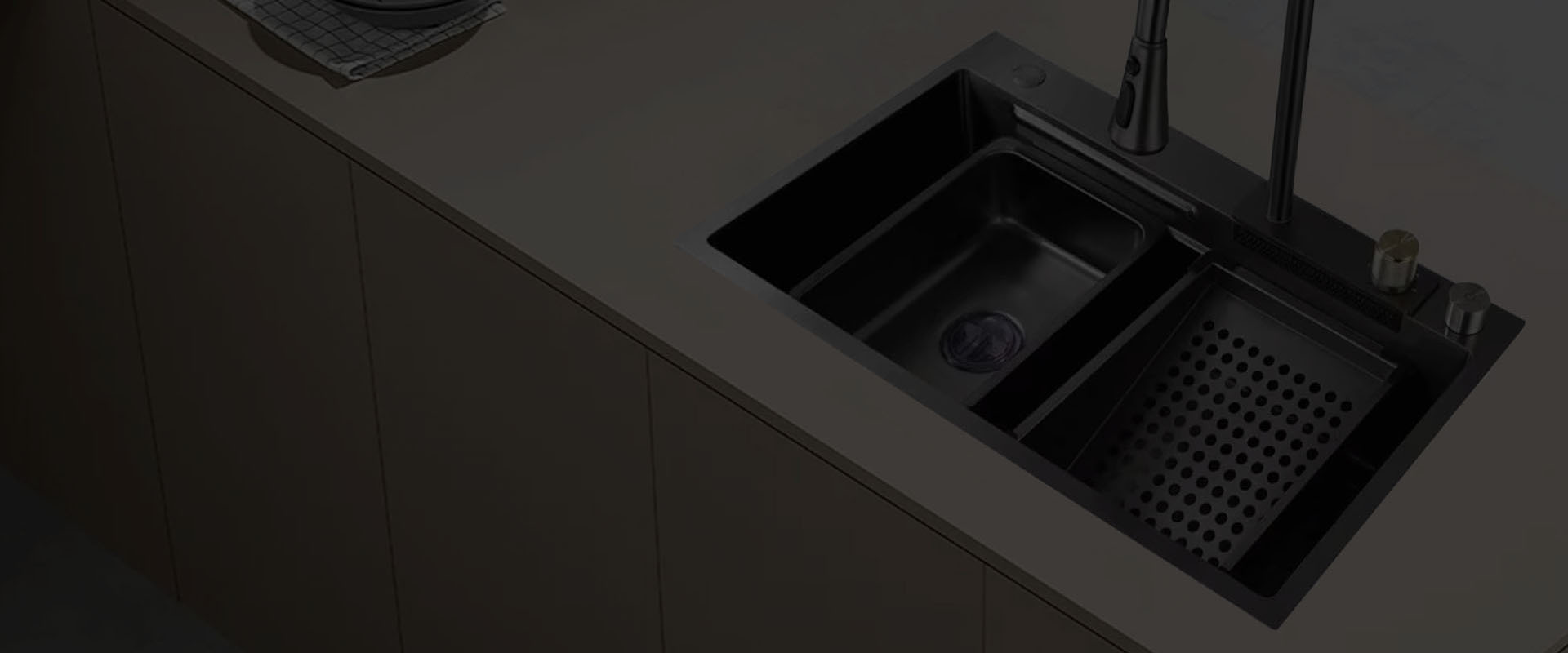
Architects, custom home builders, and large-scale real estate developers are no longer satisfied with standard specifications. Modern user intent focuses heavily on ergonomics, sustainability, and acoustic engineering. This is why high-grade SUS304 and SUS316 stainless steels, processed with advanced physical vapor deposition (PVD) coatings and nano-ceramic surface protection, are dominating international projects. These materials resist abrasive actions, high thermal exposure, and corrosive agents, ensuring long-term structural integrity in high-traffic zones.
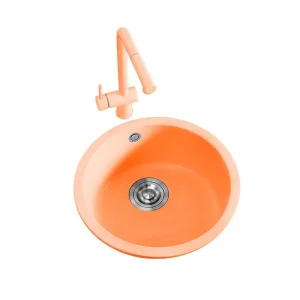
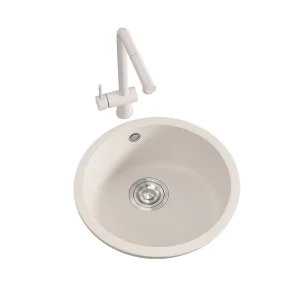
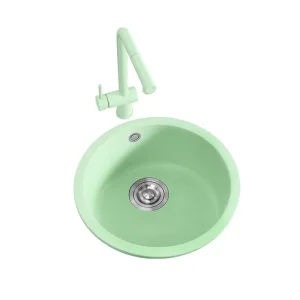
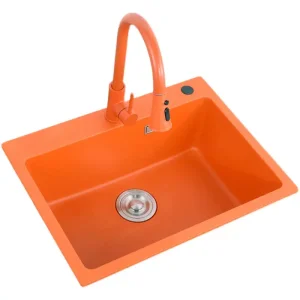
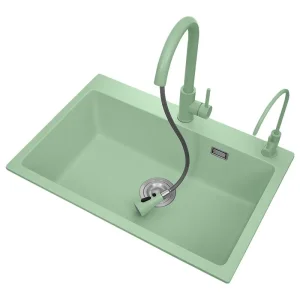
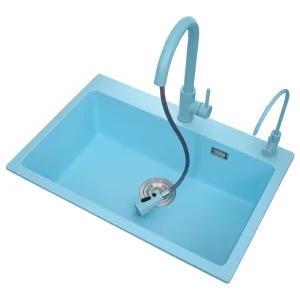
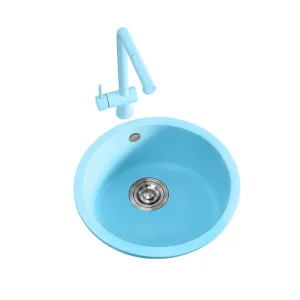
Furthermore, the surge in luxury residential developments has sparked interest in color-customized hardware. Whether it is a vibrant Hermes Orange, a calming Qingchuan Green, or customized Macaron pastel shades, colors are now seamlessly integrated with the durability of stainless steel through nano-plating processes. This allows developers to maintain design cohesion without sacrificing hygiene or longevity.
PVD Nano Coatings
Deposition of molecular titanium coatings creates ultra-hard surfaces resistant to micro-scratches, grease buildup, and heavy tarnishing.
Acoustic Dampening
Strategic deployment of dense undercoating and thick rubber pads minimizes structural vibration and operational noise during water usage.
Sustainable Metallurgy
Utilization of high-recycle-content stainless steel alloys aligns perfectly with international green building standards such as LEED and BREEAM.