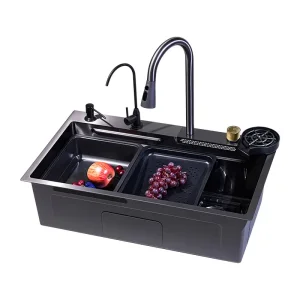
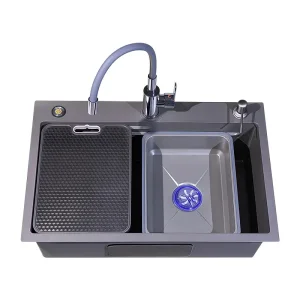
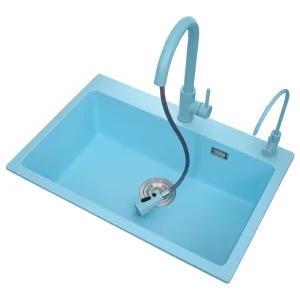
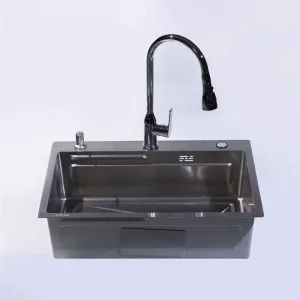
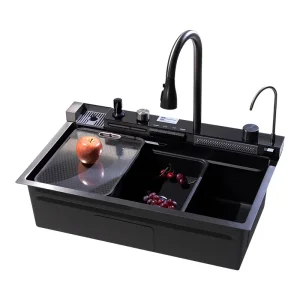
Explore our industrial-grade, precision-manufactured kitchen sinks, smart faucets, and space-saving accessories designed for high-performance settings.
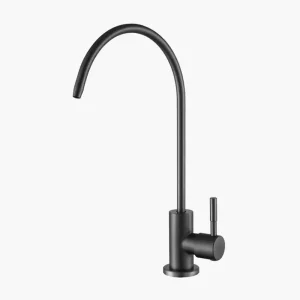
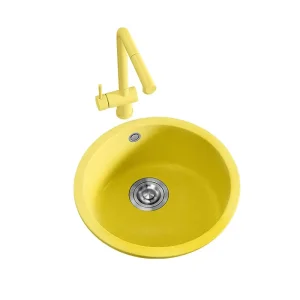
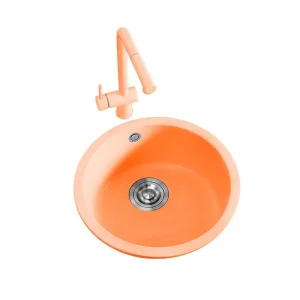
A comprehensive analysis of material chemistry, advanced manufacturing protocols, and supply chain strategies in the global sanitary sector.
In contemporary architecture, urban development, and commercial kitchen design, the sink is no longer categorized as a basic plumbing fixture. Instead, it serves as the core functional hub of workspace hygiene and preparation logistics. As the global demand for sustainable, food-safe, and highly durable surfaces intensifies, the engineering practices of kitchen sink manufacturing are undergoing a major transition. Advanced metallurgical treatment, computerized physical vapor deposition (PVD) finishes, and smart-designed modular work environments have become standard requirements. This whitepaper analyzes the engineering systems behind modern high-quality sinks, highlighting the manufacturing methods of Henan Yigen Kitchen & Bathroom Co., Ltd., a leading Chinese enterprise integrating design, manufacturing, and international trade.
The global sanitary ware market is driven by urbanization, commercial real estate development, and residential upgrades in mature markets. High-quality sink factories face the challenge of producing systems that balance aesthetics with structural durability. Raw materials—specifically austenitic stainless steel (primarily grade 304)—are subject to global supply fluctuations. Modern factories address this through automated manufacturing systems, optimized supply chains, and vertical integration.
For international procurers, developers, and distributors, partnering with factories that offer comprehensive industrial capability is crucial. The ability to customize dimensions, integrate localized plumbing standards (such as cUPC certifications for North America or CE standards for Europe), and maintain consistent batch quality directly impacts project timelines and overall profitability.
At the core of our manufacturing processes is the selection of premium materials. Grade 304 (SUS304) stainless steel is recognized for its corrosion resistance, toughness, and food-grade safety. It contains a minimum of 18% chromium and 8% nickel, creating a self-healing chromium oxide layer that prevents oxidation and corrosion.
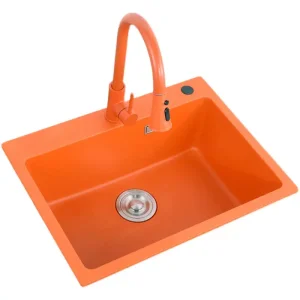
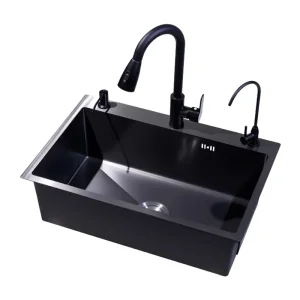
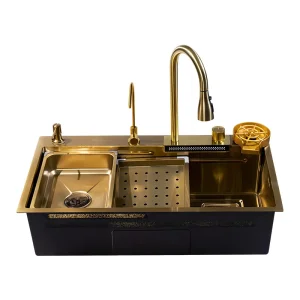
To enhance durability, we use physical vapor deposition (PVD) coating coupled with a nanotech-surface layer. In our vacuum PVD chambers, vaporized metals are deposited onto the stainless steel matrix, forming an ultra-thin, highly hard-wearing barrier. This process yields unique finishes, including Matte Gold, Gunmetal Gray, Rose Gold, and custom colors like Hermes Orange and Macaron Green. The subsequent nano-coating provides oleophobic properties, preventing water spots, oil adherence, and bacterial colonization, making the surface exceptionally easy to clean.
Henan Yigen Kitchen & Bathroom Co., Ltd. operates a comprehensive, structured service pipeline designed to take ideas from concept to mass production. This workflow ensures that custom specifications, dimensional constraints, and aesthetic demands are met with industrial precision.

1. ID Design

2. 3D Modeling

3. Real Mold Open

4. Confirm Sample

5. Modify Sample

6. Sample Testing

7. Mass Production
Our design and engineering process focuses on performance and reliability. By using 3D modeling and structural testing, we evaluate parameters like drainage slope, load-bearing stability, and acoustic damping before production begins. For custom commercial orders, specialized molds are CNC-machined to ensure tight tolerances (+/- 0.5mm), which is critical for undermount and flush-mount installations.
Our manufacturing setup supports diverse product classes to meet various architectural and installation requirements:
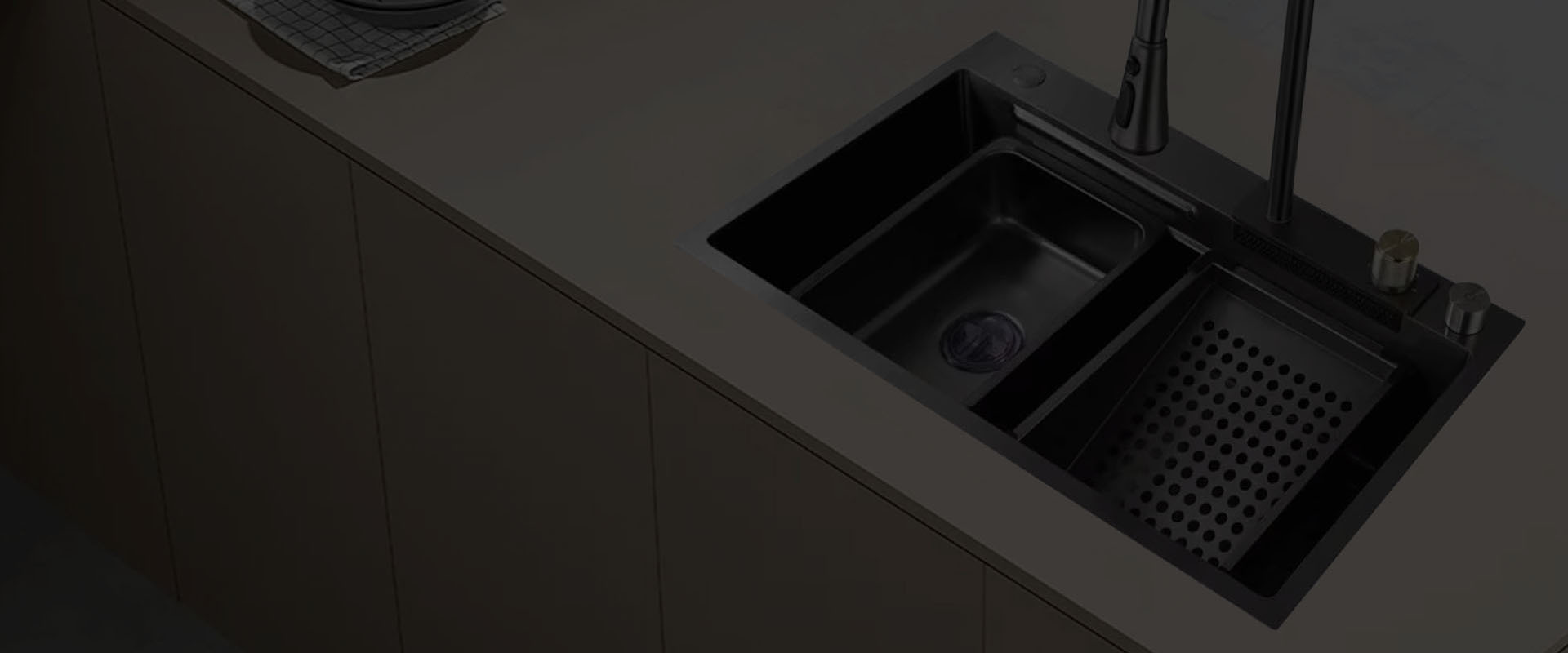
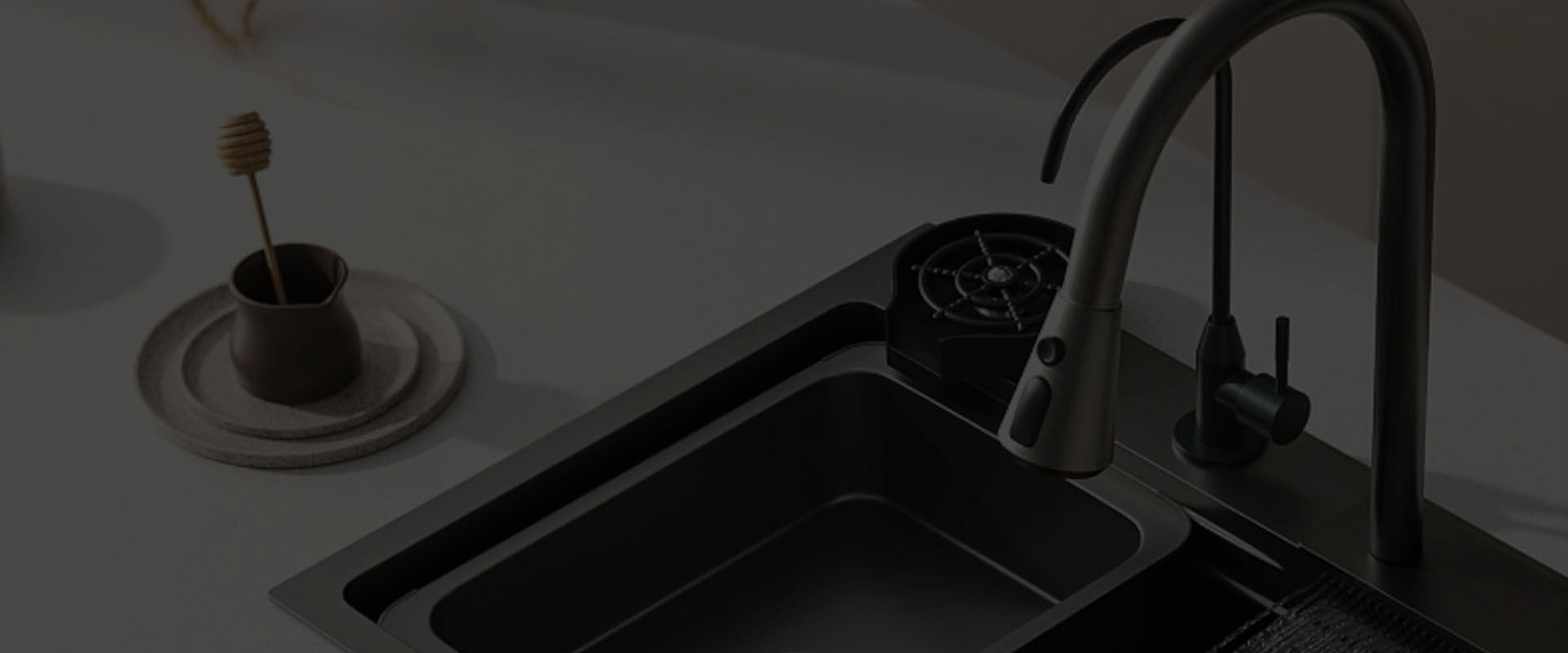
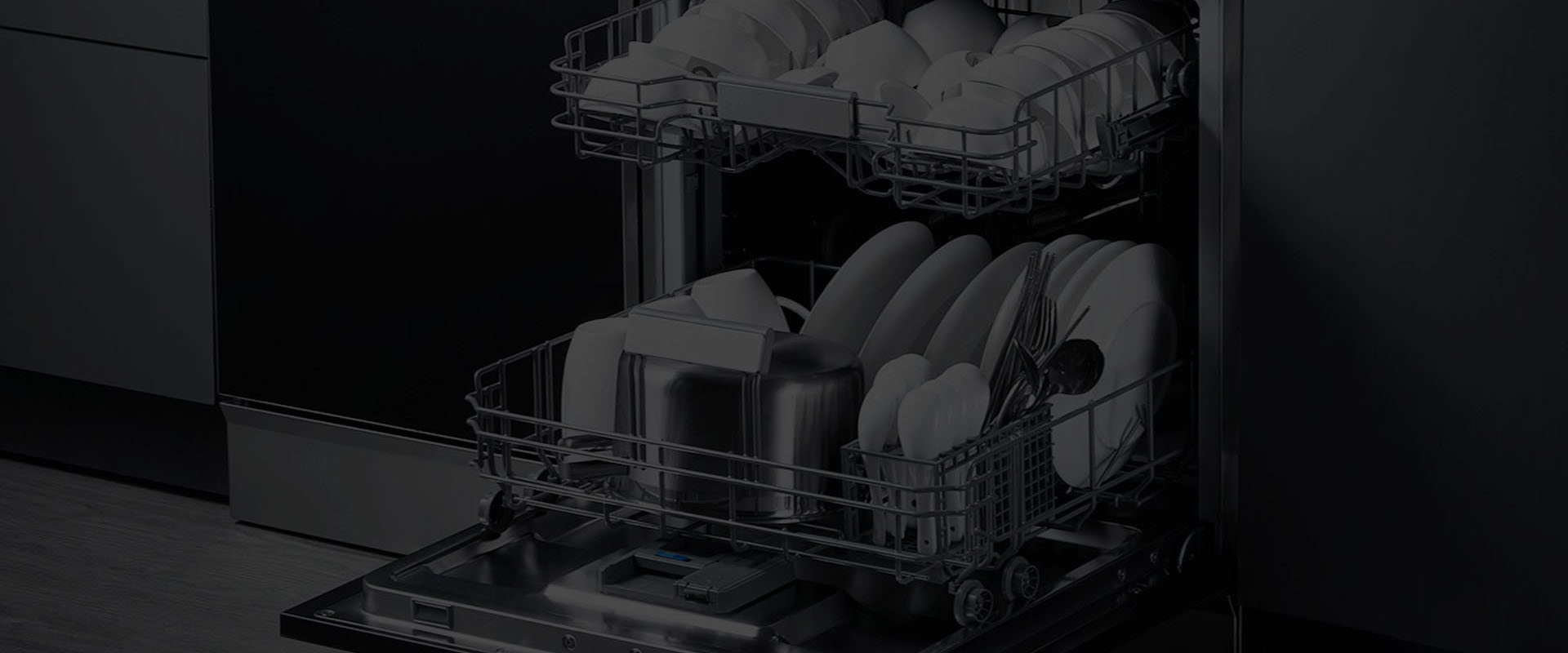
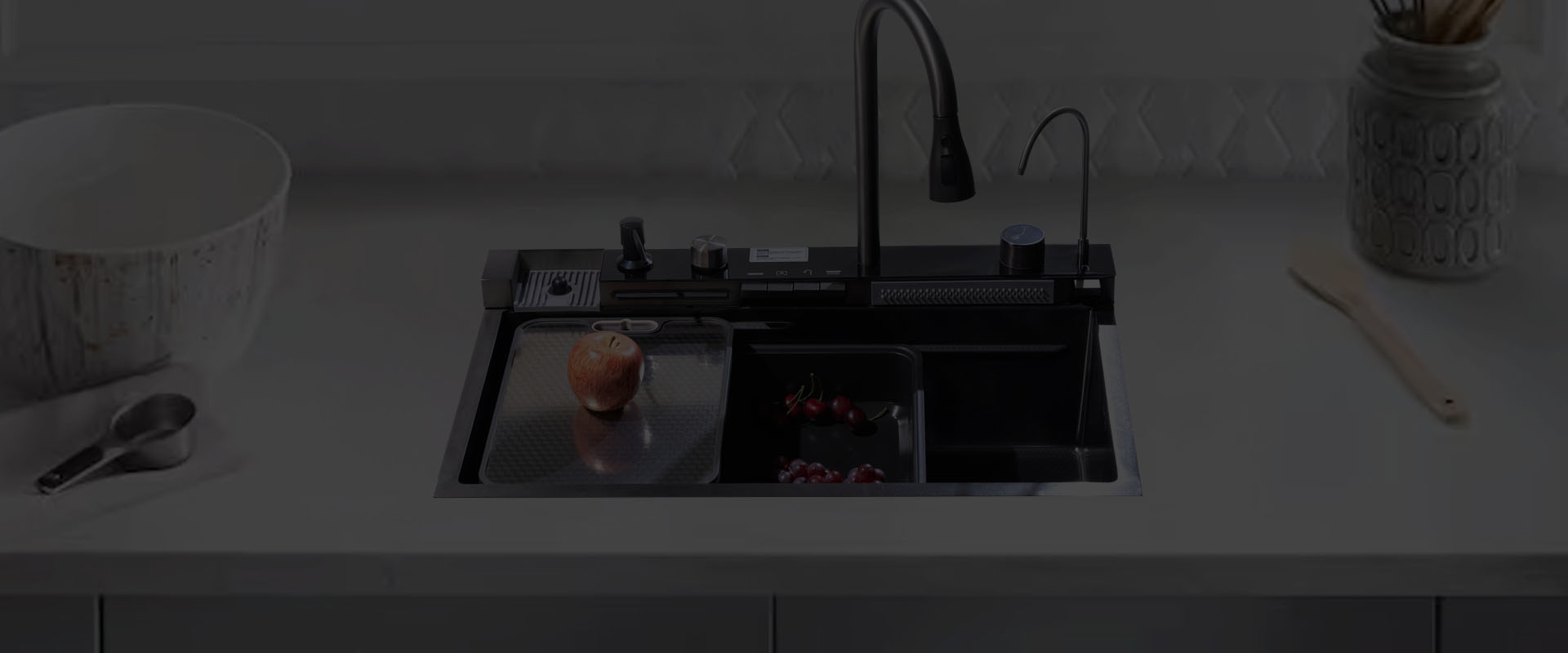
Building code requirements vary significantly across global markets. Sinks destined for North America must meet ASME A112.19.3/CSA B45.4 standards and hold UPC/cUPC certification. In European jurisdictions, compliance with EN 13310 is required, detailing load resistance, thermal shock stability, and flow capacity.
Our manufacturing facility operates under the ISO 9001:2015 quality management system. To prevent vibration and reduce noise from running water or garbage disposers, every sink is equipped with 3mm thick natural rubber sound-deadening pads covering over 80% of the exterior surface. We also apply a non-toxic anti-condensation undercoating to prevent moisture buildup on cabinet interiors, protecting the wooden housing from mold and water damage.
The future of sanitary design points toward intelligent automation and resource efficiency. The integration of digital technologies is shifting the standard sink toward a smart home hub. Key developments in our engineering roadmap include:
Expert insights addressing key design, material specification, and supply chain questions.
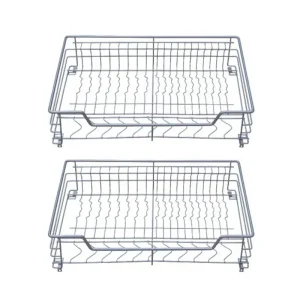
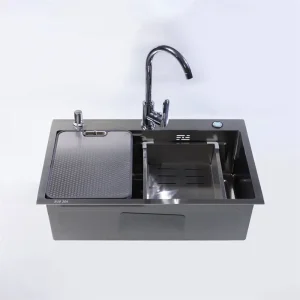
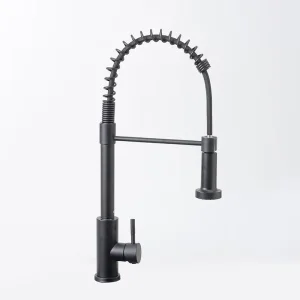
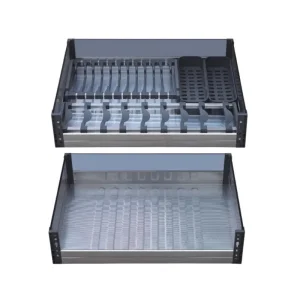
Maximize workspace utility with our custom pull-out baskets, sound-deadened double basins, and high-performance kitchen faucets.
 YiGeng