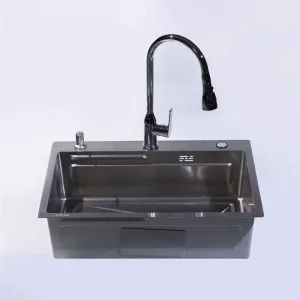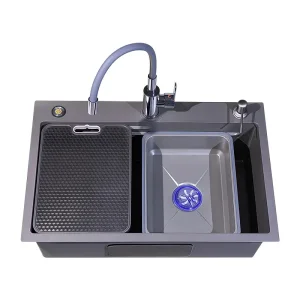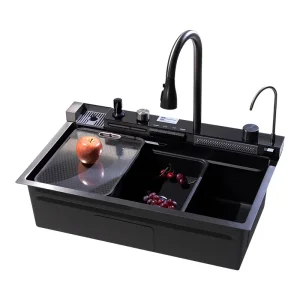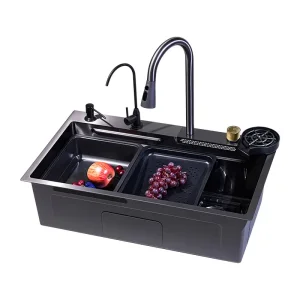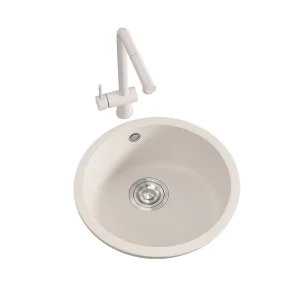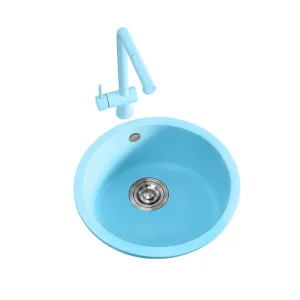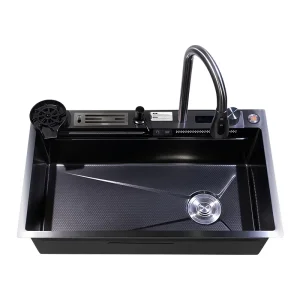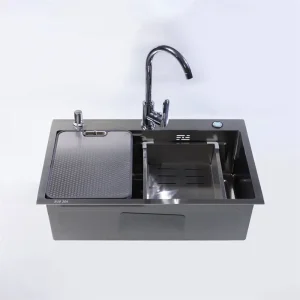

Outdoor living and cooking spaces have transitioned from luxury custom builds to standard expectations in high-end residential, commercial hospitality, and community recreational projects worldwide. The demand for outdoor kitchen sinks has seen significant growth as real estate developers, hospitality chains, and B2B distributors seek durable, weather-resistant, and cost-effective solutions. However, finding cheap outdoor kitchen sink suppliers that do not sacrifice structural integrity is a primary challenge for sourcing departments.
Unlike indoor environments where humidity and temperature remain controlled, outdoor installations are exposed to aggressive corrosive agents: UV rays, extreme seasonal shifts, salt-laden sea air, and acid rain. Sourcing cheap, low-grade alternatives often leads to surface oxidation, pitting, and structural failure within months. Thus, professional procurement managers look for manufacturers that maintain rigorous control over material composition—such as deploying authentic SUS304 or SUS316 stainless steel and utilizing advanced surface-treatment technologies like Physical Vapor Deposition (PVD) to provide superior weather protection.
Information Gain Note: High-performance outdoor sinks are defined not by price alone, but by the ratio of metallurgy properties to cost. Purchasing from verified Chinese clusters guarantees access to specialized 16 to 18-gauge cold-rolled steel, combining structural resilience with a optimized pricing structure.
Understanding raw material grading is essential when evaluating outdoor sink suppliers. The table below outlines why material specification determines the true long-term value of your sourcing budget:
In the competitive landscape of OEM/ODM sink manufacturing, infrastructural capacity dictates delivery reliability and cost optimization. Henan Yigen Kitchen & Bathroom Co., Ltd. stands as a premier example of Chinese manufacturing excellence, operating a massive, highly integrated facility equipped to handle high-volume global distribution.
Our manufacturing structure is optimized to integrate research, industrial design, prototype modeling, tooling fabrication, and automated laser-cutting, stamping, and welding lines. This level of vertical integration minimizes overhead, allowing us to offer highly competitive pricing structures directly to international buyers, distributors, and real estate developers.
International sourcing managers choose Chinese suppliers like Henan Yigen not only for competitive pricing, but for the robust industrial ecosystem that guarantees quality, customization, and supply chain stability.
Utilizing high-precision CNC laser cutting, automated seamless welding, and deep-drawing pressing machines to ensure tolerances within +/- 0.5mm and consistent structural strength across production runs.
Direct proximity to domestic steel refineries and specialized accessory manufacturers reduces transit times and bulk raw-material procurement costs, savings which are passed directly to buyers.
Implementing rigorous material spectrum analysis, salt spray chamber testing (up to 72 hours), water tightness verifications, and standardized load-bearing tests for all export-bound sink units.
One of the key technological advancements in Chinese manufacturing is the application of nano-coatings and PVD (Physical Vapor Deposition) surfaces. Outdoor sinks face intense sunlight, which can quickly degrade traditional coatings and lead to surface staining. Our specialized PVD treatment aligns metal atoms in a vacuum chamber, creating an ultra-dense outer layer that resists staining, UV degradation, and wear. Additionally, our water-condensing bottom coatings prevent under-sink condensation, protecting surrounding wooden or metal cabinetry from rot and rust.
We provide a comprehensive, end-to-end design and manufacturing workflow. Our process is structured to handle everything from initial concepts to global logistics with transparency and speed, ensuring your project timeline is met.

Provide ID Design

3D Modeling

Open Real Mold

Confirm Sample

Modify Sample

Sample Testing

Mass Production
Whether you require customized physical dimensions, unique drainboard layouts, pre-drilled holes for outdoor fixtures, or custom surface finishes, our R&D department ensures precise execution. By maintaining control over the tooling process, we reduce development costs and provide faster turnaround times compared to standard industry averages.
Outdoor kitchen installations vary widely across residential, commercial, and public spaces, and each scenario demands a specific approach to product design and material selection.
For resort hotels, open-air bars, and outdoor dining venues, sinks must withstand continuous, high-volume use. In these settings, 16-gauge SUS304 or SUS316 stainless steel with an integrated drainboard is the preferred choice. These commercial-grade models feature sound-absorbing pads to reduce noise in active kitchen environments, along with extra-deep bowls to accommodate large prep platters and cookware.
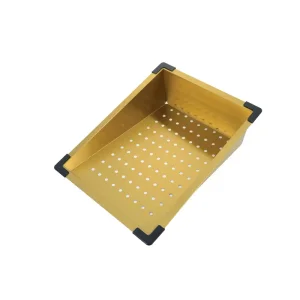
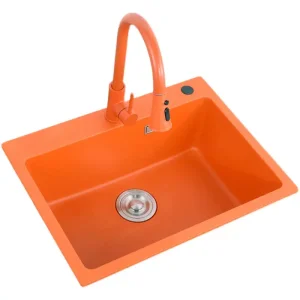
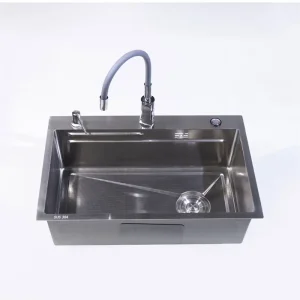
Modern residential designs frequently incorporate outdoor kitchens as key selling points. For these projects, developers look for high-end aesthetics at scalable price points. Undermount or drop-in workstations that feature integrated accessories—such as custom cutting boards, drying racks, and colanders—offer excellent functionality while maximizing prep space. PVD-coated finishes (such as gunmetal grey or brushed gold) allow developers to match outdoor fixtures with the overall design theme of the property.
Sinks installed in public parks, outdoor recreational centers, and kindergarten play yards require durable, safety-focused designs. Sinks with rounded corners (R10 or R15 radiuses) prevent accidental injuries, and child-safe heights make them highly functional for early-education settings. For public spaces, choosing thick, low-maintenance materials helps prevent vandalism and resists wear from heavy, unsupervised use.
To manage quality risks and ensure smooth import operations, B2B procurement managers should evaluate potential partners using a structured set of criteria:
By maintaining these standards, purchasing departments can avoid product failures, reduce return rates, and build a reliable supply chain that supports long-term brand equity.
 YiGeng