Explore our high-performance stainless steel sinks, customizable mixers, and integrated kitchen fixtures engineered for resilience and modern aesthetic appeal.
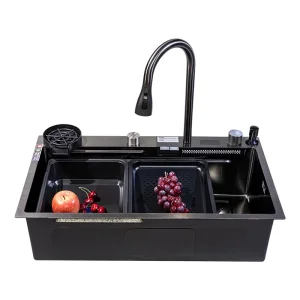
In the contemporary built environment, the kitchen has evolved from a utilitarian food preparation zone to a highly connected, architectural centerpiece. At the heart of this transformation is the integration of the mixer kitchen sink. Sourcing procurement professionals, project managers, and distributor networks face the dual challenge of balancing cost efficiency with uncompromising product life cycles. This whitepaper analyzes the macroeconomic trends, material science breakthroughs, and manufacturing logistics that define the global market for kitchen sanitary ware, providing decision-makers with the information gain necessary to establish resilient supply chains.
Historically, kitchen sinks were evaluated solely on their volumetric capacity and basic resistance to localized corrosion. Today, metallurgical advancements have introduced high-temperature resistant alloys, physical vapor deposition (PVD) nano-coatings, and sound-dampening structures that redefine durability. When factories manufacture SUS304 stainless steel sinks, the precise control of the chromium (typically 18%) and nickel (8%) content is critical. This specific ratio creates a self-healing passivated chromium oxide layer that prevents oxidation under extreme heat and chemical exposure. Modern manufacturing facilities employ precise laser welding and hydraulic deep-drawing processes to ensure uniform wall thickness, particularly in tight-radius corners (e.g., R10 or R0 designs), which maximize usable basin area while maintaining structural integrity.
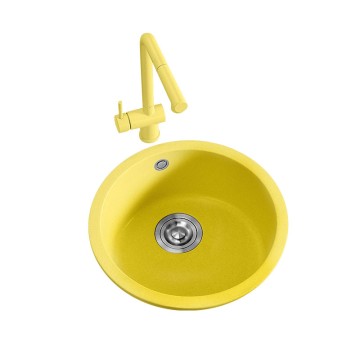
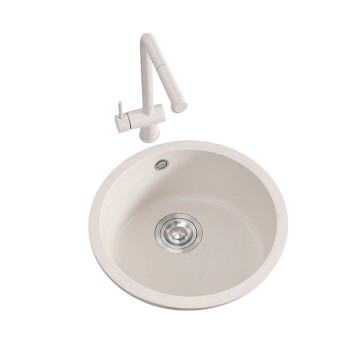
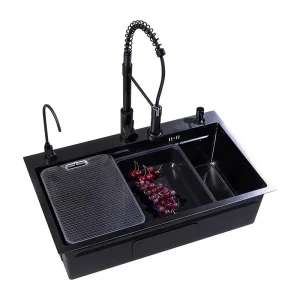
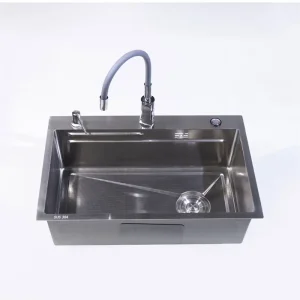
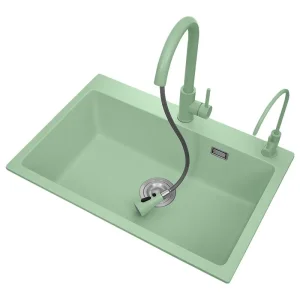
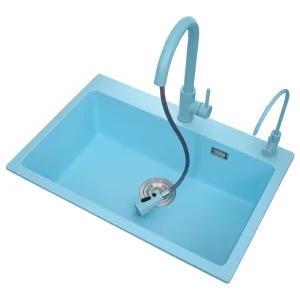
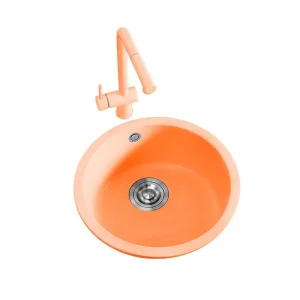
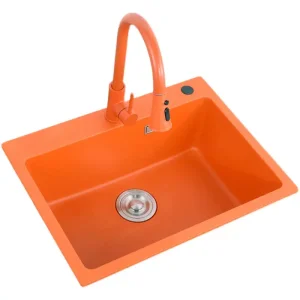
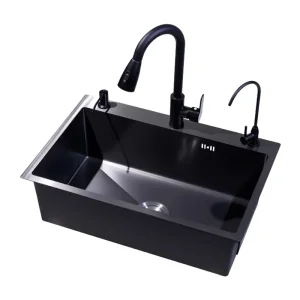
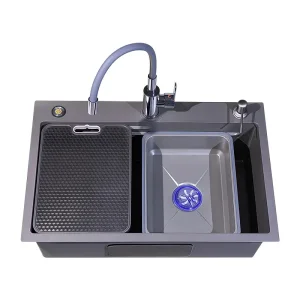
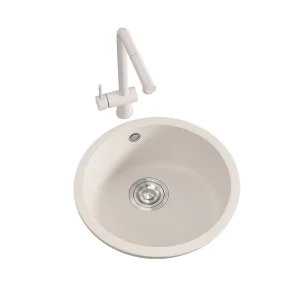
For large-scale developments, commercial builders, and global sanitary brands, selecting the right manufacturing partner requires examining the factory's flexibility in providing both standardized high-volume runs and bespoke design variations. The demand for customized solutions—ranging from specialized dimensions for space-constrained urban micro-apartments to macro-sized workstation sinks with integrated colanders, chopping boards, and drainer baskets—has surged. Effective OEM/ODM factories resolve this by implementing modular tooling and flexible manufacturing cells. This mitigates high initial setup costs and allows distributors to respond dynamically to shift-in-market trends, such as the rising popularity of bold accent colors like forest green, cream white, and Hermes orange.

Our business is not only spread across various domestic platforms and markets but also involves cross-border and multi-party trade fields. Currently, we cooperate with countries all over the world and have thousands of overseas buyers. As an industry pioneer, we merge state-of-the-art automated production lines with rigorous quality control parameters, ensuring every single delivery meets international standards of durability, design, and user-centric ergonomics.
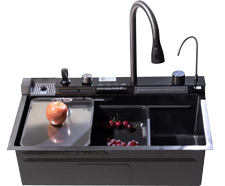
Highly requested models experiencing strong demand across European, North American, and Southeast Asian distribution channels.
Comprehensive kitchen components designed for seamless spatial integration and optimal utility workflow.
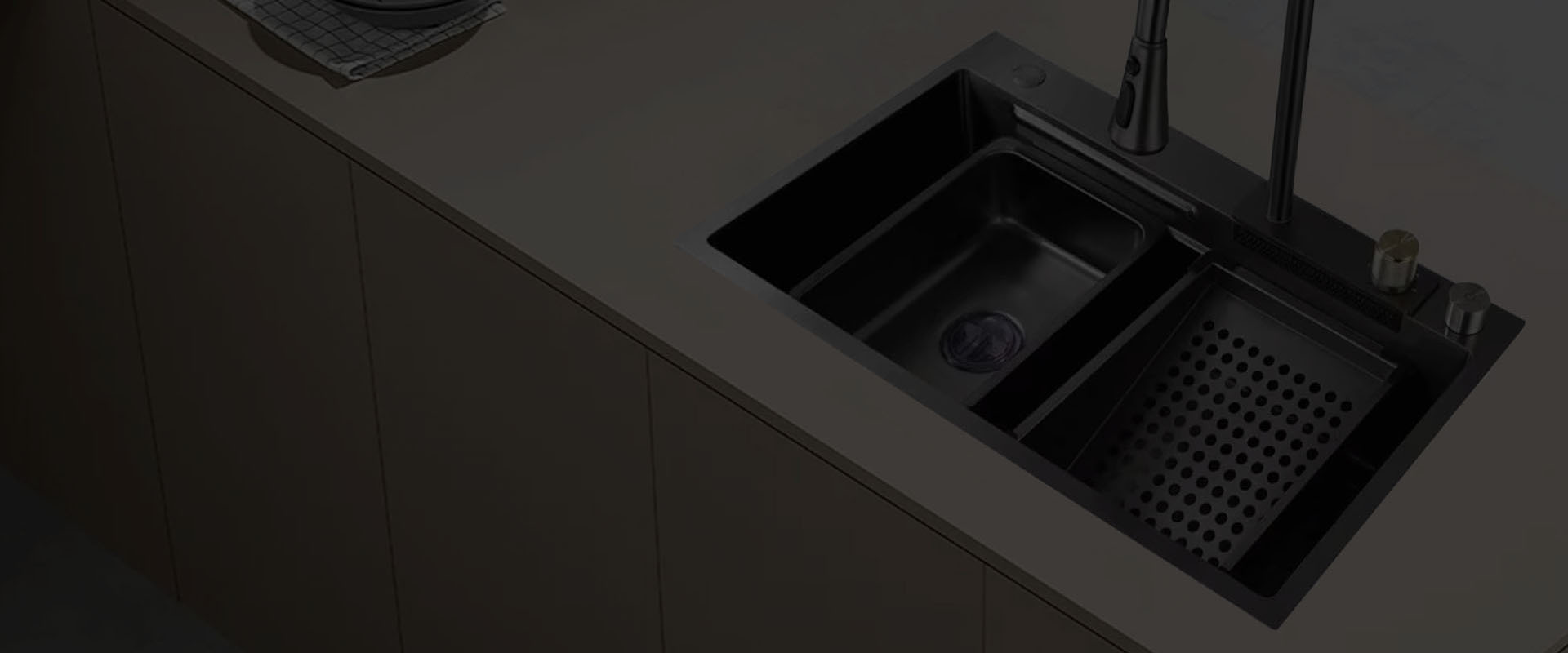
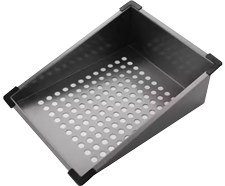
Daily life starts from the kitchen. Our precision-welded drain baskets fit securely to optimize the food preparation area.
view more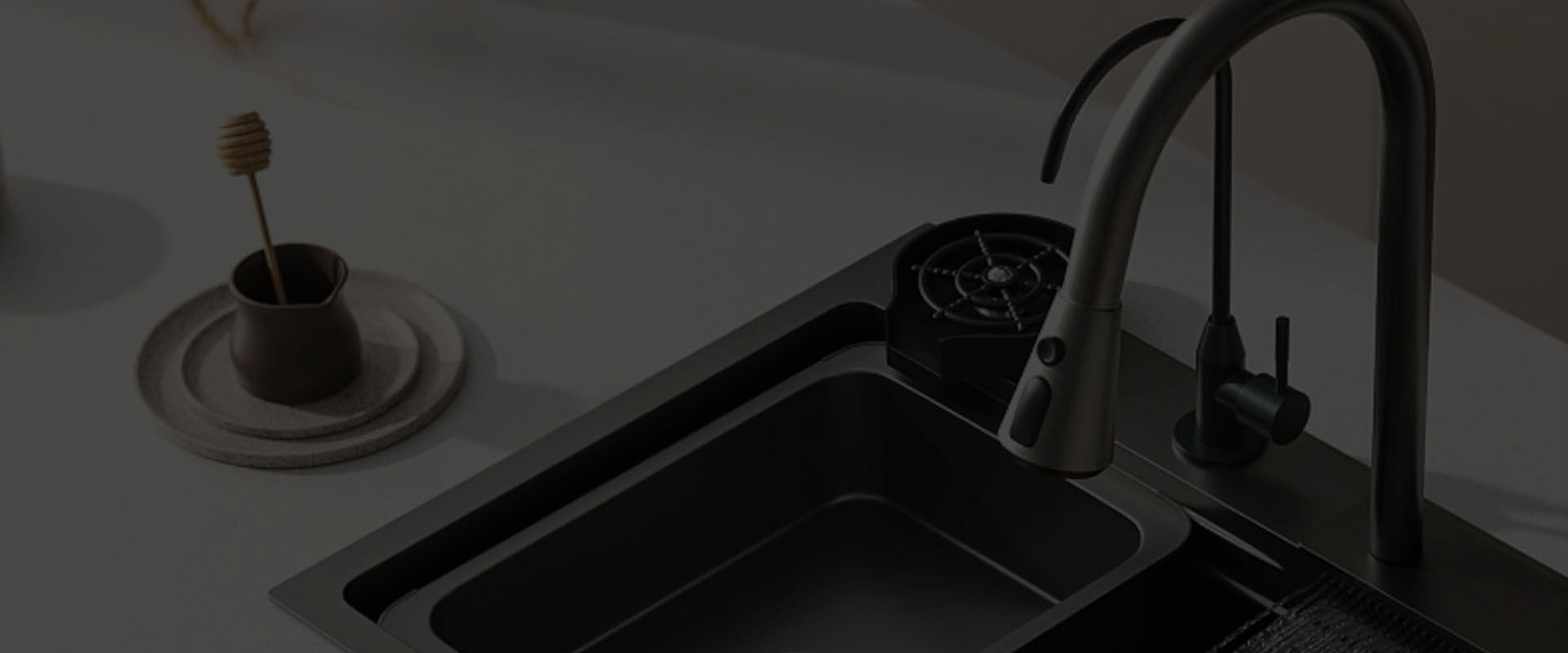
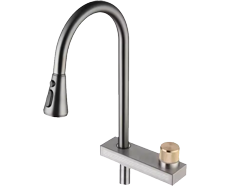
Innovative water mixing technology, pull-out functions, and lead-free configurations for absolute safety.
view more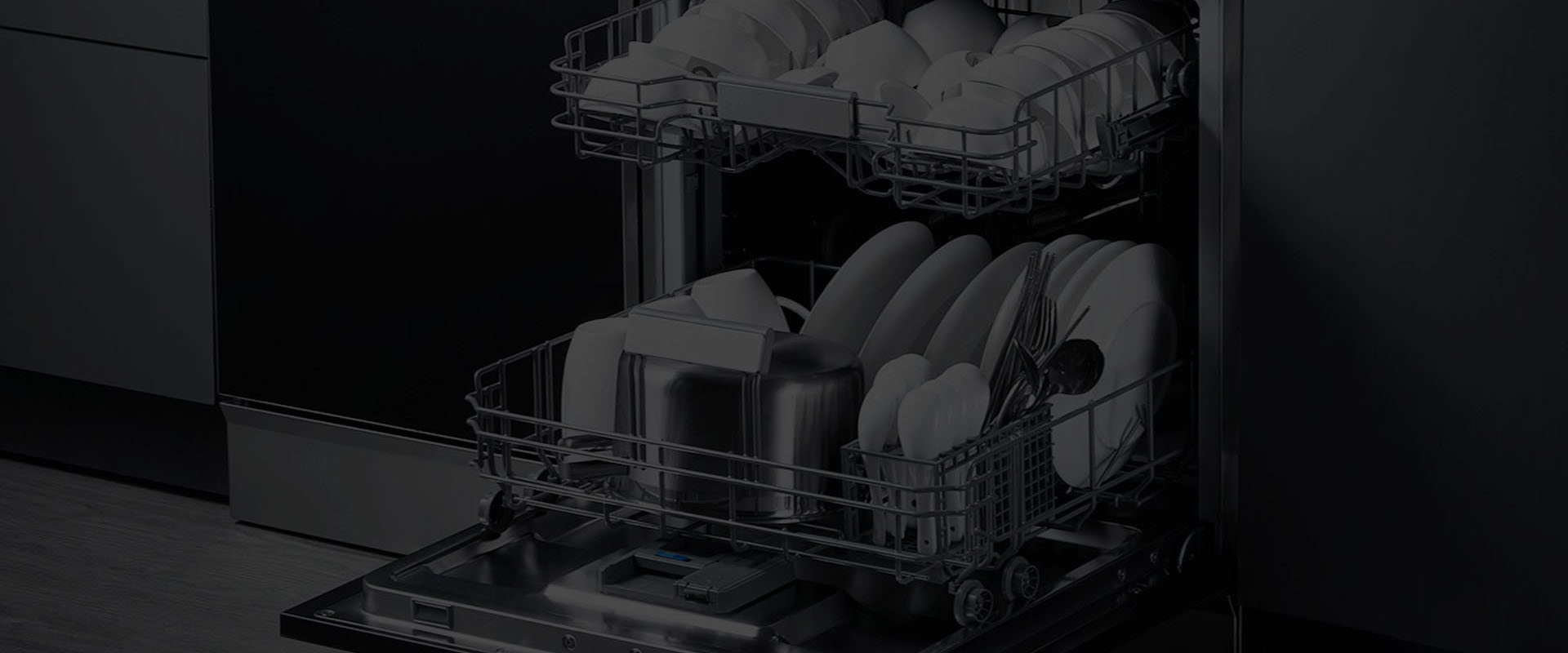
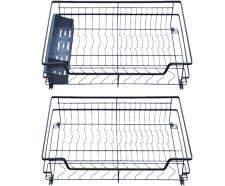
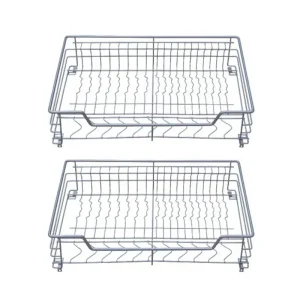
Maximize under-sink and cabinet spaces with smooth, soft-close hardware and heavy-duty loading baskets.
view more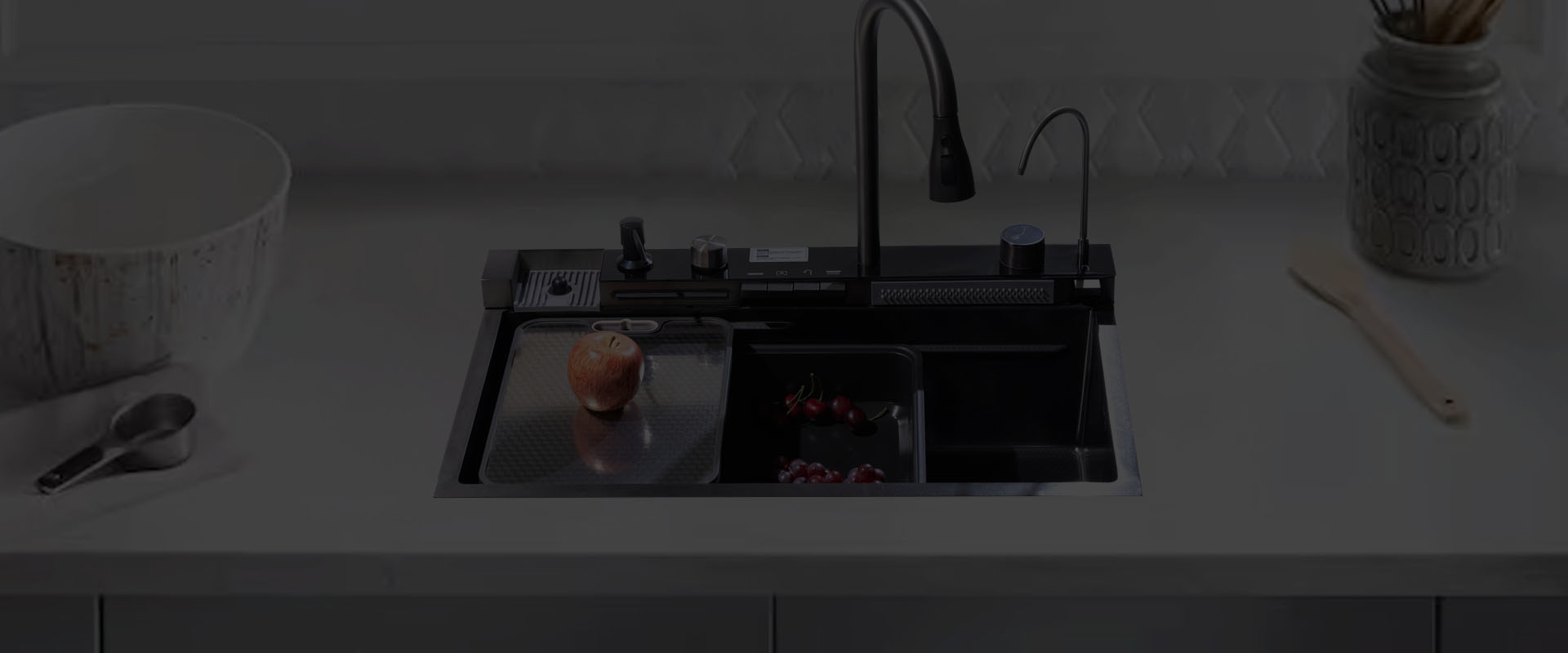
Handmade deep basins, sound insulation pads, anti-condensation coatings, and customizable drain locations.
view moreIntegrating industry and trade to deliver comprehensive manufacturing services to international buyers.
Henan Yigen Kitchen & Bathroom Co., Ltd. is a comprehensive company focusing on the manufacture and trade of handmade sinks, pull-out baskets, drain baskets, toilets, shower heads, etc. We are committed to providing customers with high-quality kitchen and bathroom products, and at the same time provide customers with a variety of customized product solutions in combination with industrial and trade needs. Our integrated supply chain management reduces administrative overhead and guarantees uniform quality control across multiple product lines.
view moreIn B2B purchasing, the durability of materials is paramount. The primary failure mode of lower-grade stainless steel in saline or acidic kitchen environments is pitting corrosion. Our production facilities counter this by sourcing high-purity cold-rolled steel coils. Our standard line utilizes SUS304 steel, containing 18.2% Chromium and 8.1% Nickel. Under strict spectral analysis, the sulfur level is kept under 0.005%, preventing micro-structural defects where pitting typically initiates. For high-salinity coastal areas, we suggest PVD (Physical Vapor Deposition) Titanium coatings. This deposition process occurs under high vacuum, generating a ceramic-like coating layer that increases scratch resistance from 2H (bare metal) to over 9H, preventing abrasive damage from heavy cookware.
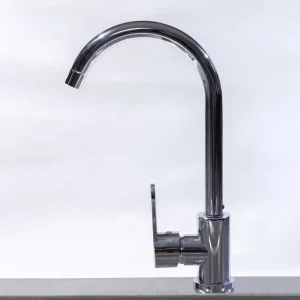
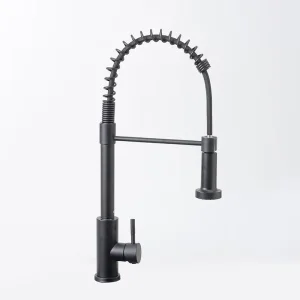
Modern mixer faucets are not simply simple mechanical valves; they are flow control systems designed to save water while maintaining performance. High-performance kitchen mixers incorporate ceramic disc cartridges that withstand up to 500,000 cycles without leaking. The inner water channels are designed to be lead-free, conforming to NSF/ANSI 61 and California Prop 65 requirements. To address international water-saving initiatives (such as LEED certification or Australia's WELS scheme), our faucets use integrated aerators. These devices inject air into the stream, creating a softer, non-splashing flow that reduces water usage by up to 35% without affecting spray pressure.
Our systematic engineering flow ensures design accuracy, material compliance, and seamless execution from concept to shipping.

1. Provide ID design

2. 3D Modeling

3. Open real mold for sample

4. Customer confirm sample

5. Modify sample

6. Sample testing

7. Mass production
Insights, technical trends, and regulatory updates shaping the global kitchen and bathroom sourcing landscape.
Smart sinks with built-in sensors, IoT diagnostic systems, and specialized cleaning areas are transitioning from high-end design projects to standard consumer kitchens.
When designing a modern kitchen, the sink often takes center stage. Known as the "heart" of the kitchen, it is now expected to handle food prep, cleanup, and organization.
The global sink market, encompassing kitchen and bathroom sinks, continues to experience dynamic growth, driven by residential remodeling and urban development projects.
High-density residential projects (condominiums, multi-family homes, student housing) require sanitary fixtures that combine compact dimensions with long-term durability. In these projects, sound transmission can be an issue. Standard steel sinks without proper acoustic treatments can amplify the sound of running water or clanging cutlery. Our manufacturing facilities solve this by applying a dense, multi-layer rubberized undercoating to the underside of the sink basin. This is paired with synthetic dampening pads covering over 80% of the outer surfaces. This combination shifts the metal's resonant frequency, lowering noise levels in high-density developments. Additionally, the anti-condensation coating prevents condensation buildup under the cabinet, protecting the surrounding wood joinery from water damage and mold.
Exporting building components globally requires adhering to national standards and certifications. Our production facility ensures full compliance with key global frameworks, enabling smooth customs clearance and compliance on the job site:
• North America (United States & Canada): Our products conform to the ASME A112.19.3/CSA B45.4 standard for stainless steel plumbing fixtures, carrying cUPC certifications. The matching mixer taps are certified to NSF/ANSI 61 and lead-free requirements.
• Europe (EU): Sinks carry the CE mark in accordance with EN 13310 requirements, certifying structural stability, load resistance, and cleanability.
• United Kingdom: Faucets and mixers meet WRAS (Water Regulations Approval Scheme) guidelines, ensuring materials do not contaminate the public water supply.
• Australia & Oceania: Products comply with WaterMark certification standards, meeting AS/NZS 3718 rules for tapware and flow rate controls.
Looking ahead, the humble kitchen sink is set to integrate digital systems. The technical roadmap highlights two key trends: material engineering and electronic integration. Over the next five years, we plan to implement touchless, sensor-activated mixers powered by localized micro-hydroelectric generators inside the faucet. This design removes the need for external batteries or electrical connections. On the material side, we are developing nanostructured finishes that resist grease and mineral deposits, reducing the need for chemical cleaners. In terms of design, we are focusing on modular accessory profiles that allow the user to easily swap components, converting the sink from a washing area to a food prep zone or serving station in seconds.
Technical answers to common questions raised by procurement managers and project estimators.
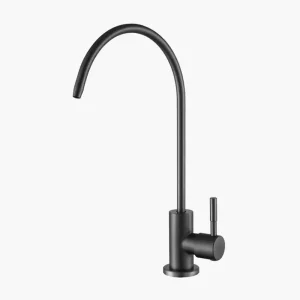
Premium options featuring colorful design lines, clean lines, and water-purifying faucet configurations.
Our vision is to create high-quality products for every customer through exquisite craftsmanship and unique design, adhere to the principles of integrity and customer service first, and meet the diverse needs of customers. At the same time, we will continue to move forward and eventually become a world-renowned brand. We invite developers, retailers, and distributors to partner with us to build robust, modern culinary workspaces for commercial and residential projects worldwide.
 YiGeng