When selecting the right sink faucet for your home, expert insights are invaluable. John Smith, a renowned plumbing specialist, states, "A sink faucet isn't just a functional tool; it defines your kitchen or bathroom's style." This underscores the importance of making an informed decision.
A sink faucet impacts both aesthetics and usability. Choosing one that harmonizes with your decor can enhance the overall look of your space. Consider factors like finish, style, and function. For instance, a sleek, modern faucet may elevate a contemporary kitchen.
While you might be drawn to elegant designs, functionality shouldn't be overlooked. It's easy to get caught up in appearances. In reality, the best sink faucet balances beauty and practicality. Reflect on your daily needs and space requirements before making a choice.
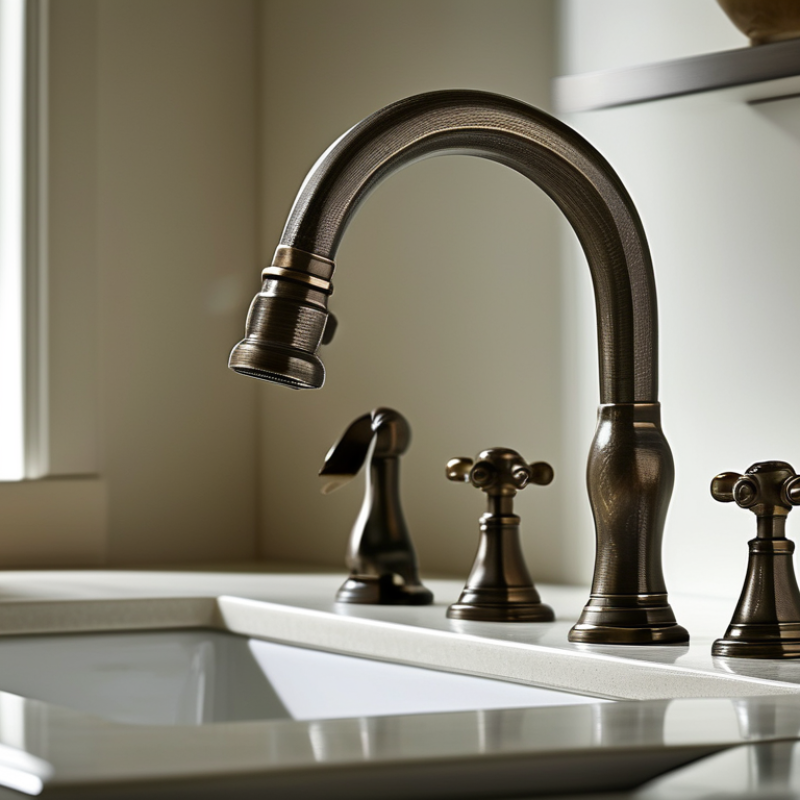
Choosing the right sink faucet is essential for functionality and style in your kitchen or bathroom. There are various types of sink faucets available, each designed for specific needs. Understanding these options can aid in making a confident choice.
Single-handle faucets are popular for their ease of use. A single lever controls both the temperature and flow of water. This design fits modern aesthetics well and is suitable for smaller spaces. However, they may not offer precise temperature control compared to other types.
On the other hand, a double-handle faucet features separate handles for hot and cold water. This design can provide better temperature regulation. However, it occupies more space and may require two hands for operation. Pull-down and pull-out faucets are also worth considering for their versatility. They combine a sleek design with practicality, allowing you to direct water flow easily. Reflecting on your daily routine and preferences is vital when choosing the ideal faucet for your home.
When selecting a sink faucet, several key features should guide your decision. One of the most important aspects is the material. Stainless steel is popular for its durability. However, brass offers a classic look and excellent longevity. Consider how often you cook or clean. A heavier use may require a more robust option.
Another deciding factor is the faucet's height and reach. If you have large pots or want to fill up pitchers, opt for a high-arc design. This type of faucet offers added convenience. For smaller sinks, a compact design might be ideal to save space and maintain functionality.
It's also wise to look into the finish. A polished chrome or matte black can complement your kitchen’s style. Yet, these finishes may show fingerprints or water spots easily. Think about how much maintenance you’re willing to commit. Some finishes require regular cleaning to keep them looking pristine. Checking customer reviews can provide insights into real user experiences with different faucet types.
When selecting a sink faucet, consider how it complements your home's design style. A recent study reveals that 70% of homeowners prioritize aesthetics in kitchen upgrades. The faucet can enhance or clash with your decor, impacting the entire space's ambiance.
Evaluate your sink compatibility before making a choice. Standard sink sizes are often overlooked. Measure the distance between holes and the depth of your sink. This ensures a perfect fit. A mismatch can lead to excess costs and frustration.
Tip: Choose faucets with adjustable features. They offer flexibility for adjustments based on daily needs. Classic styles blend with traditional homes, while sleek designs suit modern aesthetics. A well-matched faucet can elevate your kitchen or bathroom significantly.
Remember, not all faucets are created equal. Research the material and finish. Some may tarnish or scratch easily. Choosing high-quality options can prevent future disappointments. Check for reliable certifications to ensure durability and performance. An informed choice today can save you trouble down the road.
Choosing the right sink faucet goes beyond style. Water efficiency is a crucial factor to consider. According to the U.S. Environmental Protection Agency (EPA), faucets account for about 15% of indoor water use. This is significant. Evaluating water efficiency ratings can lead to substantial savings on water bills.
Look for faucets with the WaterSense label. This indicates that the product meets strict efficiency criteria. Typically, these faucets use 20% less water than standard models. Also, check the flow rates. A standard faucet has a flow rate of 2.2 gallons per minute (GPM). Opting for models with a lower flow rate can significantly reduce water consumption.
While high efficiency is ideal, balance it with functionality. Some efficient faucets may struggle under heavy use. It's essential to test faucets in stores. Ensure that they meet both your efficiency and usability needs. Remember, not all low-flow faucets perform the same. Some may require you to adjust usage patterns. Look for models that balance efficiency with user comfort. Small adjustments in your choice can lead to long-term benefits.
When choosing a sink faucet, budget plays a crucial role. Industry data reveals that homeowners typically spend between $100 and $800 on faucets. It’s vital to know how much you’re willing to invest. This means carefully evaluating your needs and preferences.
Comparing faucet brands involves looking at warranties and customer feedback. Some reports suggest that roughly 30% of users have experienced issues with cheap faucets. Durability is a common concern. Many homeowners regret not opting for higher-quality options. Research indicates that premium models often last twice as long as budget alternatives.
Evaluate design and functionality as well. A faucet's flow rate affects water usage and efficiency. According to the EPA, WaterSense-labeled faucets use at least 20% less water than standard models. This can lead to significant savings. However, be cautious of overly complicated designs. Some features may not provide much value in daily use.
: Stainless steel is durable, while brass offers a classic look. Choose based on your usage.
Opt for a high-arc design for large pots. Compact designs suit smaller sinks.
Polished chrome and matte black are popular but may show fingerprints. Consider maintenance.
Measure hole distances and sink depth to avoid mismatches. This prevents future hassles.
Yes, they offer flexibility for daily needs and fit various designs.
No, some may tarnish or scratch easily. Research materials and finishes for quality.
Aesthetics play a significant role in home upgrades. Ensure it complements your decor.
Absolutely, they provide insights into real experiences with different faucet types.
Some finishes need regular cleaning. Consider your commitment to upkeep before deciding.
Select a robust option that can withstand frequent cooking and cleaning.
Choosing the right sink faucet for your home involves understanding the different types available, each offering unique features and styles. Key aspects to consider include the design compatibility with your existing sink and overall home decor. Water efficiency ratings and flow rates are crucial for sustainability and cost-effectiveness, helping to conserve water without compromising performance.
When setting a budget, it is essential to compare various brands and models to find a sink faucet that meets your aesthetic and practical needs. Taking the time to evaluate these elements will ensure that you select a faucet that not only enhances your kitchen or bathroom but also aligns with your lifestyle and environmental goals.

YiGeng