Choosing the right faucet with sink for your home is more than just a design decision. It's about functionality, water efficiency, and aesthetic appeal. A well-designed faucet can enhance your kitchen or bathroom experience remarkably. You need to consider various factors before making a choice.
The market offers diverse designs and materials for faucets. You might prefer a classic look or a modern style. Each faucet with sink combo serves specific needs. Think about how you'll use it. Will it handle heavy-duty tasks, or is it for lighter use? Water pressure and flow rates should also be part of your considerations.
It's easy to overlook these details when shopping. However, investing time in choosing wisely pays off. A poor decision can lead to frustration later. Take the time to reflect on your needs and preferences. Remember, the right faucet with sink can be both beautiful and functional.
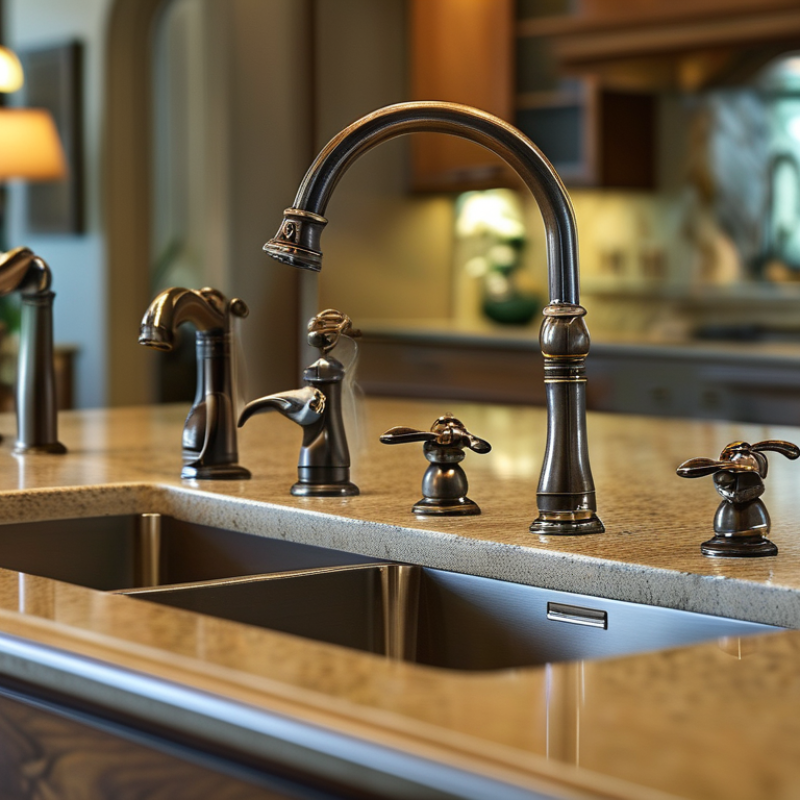
When choosing the right faucet and sink for your home, it’s essential to understand your specific needs. Consider the primary function of your sink. Are you washing dishes or preparing food? Different tasks require different features.
In terms of faucet types, pull-down or pull-out designs are excellent for flexibility and reach. If space is tight, a wall-mounted faucet could be a solution. Think about your workflow to find the best fit for your kitchen or bathroom.
Tip: Evaluate your water pressure. Low pressure can affect performance. If the faucet is too powerful, it may cause splashing. Ensure you find a balance based on your sink’s characteristics.
Material also plays a significant role. Stainless steel is durable and easy to clean. But it might not suit every design style. You might prefer a more traditional look, which ceramic offers. Reflect on your aesthetic preferences along with practicality when making a choice.
When selecting a faucet and sink, it’s essential to consider your kitchen and bathroom style. Traditional kitchens often pair well with vintage-inspired faucets. Ornate designs can add character, while sleek, modern fixtures suit contemporary aesthetics. The key is to find harmony. Visualize the faucet's finish matching cabinet hardware. A mismatched look can feel disjointed.
In bathrooms, it’s crucial to assess the overall vibe. A minimalist sink deserves a simple, elegant faucet. Too much detail can overwhelm a space focused on tranquility. Make sure the heights are compatible. A tall faucet may not work well with a low sink. Pay attention to colors and textures as well. Combining polished metals with matte finishes can create a stunning contrast, yet, it might not appeal to everyone. Reflect on your choices, ensuring they complement rather than clash with your theme.
When selecting a faucet with a sink, understanding faucet types and features is crucial for functionality. A recent study showed that the right faucet can improve kitchen efficiency by 20%. This statistic underscores the importance of making informed decisions.
Consider the faucet’s design, which can significantly affect usability. For example, pull-down and pull-out faucets provide flexibility for various tasks, making them ideal for busy kitchens. Adjusting water flow should be seamless, yet many homeowners overlook this detail, leading to frustration. In addition, faucets with high-arc spouts allow for larger pots to fit comfortably underneath, promoting both convenience and style.
Water-saving features also play a vital role in faucet selection. Models with aerators can reduce water usage by up to 30%. This not only conserves water but can lower utility bills. However, not all users prioritize this aspect, sometimes opting for aesthetics over sustainability. Understanding the balance between style and functionality will lead to better choices that reflect both practical needs and personal taste.
When choosing a faucet and sink for your home, water efficiency is a crucial factor. Look for faucets with a WaterSense label. These models use at least 20% less water than standard options, helping you save on your bills. However, check if the reduced flow impacts your daily tasks. Sometimes, low-flow faucets can feel inadequate for rinsing dishes.
Maintenance is another important aspect. Choose a faucet with a simple cartridge system, making repairs easier. Regularly check for leaks, as they can waste water and increase costs. A faucet with ceramic disc technology can provide durability, but it might require specific cleaning products. It’s essential to weigh these factors before finalizing your choice.
Remember the aesthetic appeal as well. A faucet can complement your sink and enhance the kitchen or bathroom design. But be cautious. A stylish faucet that is hard to maintain can lead to frustration. Balance design and functionality to create a space that is both beautiful and practical.
When selecting materials for your faucet and sink, durability should be a top priority. Stainless steel is a popular choice for its strength. It's resistant to rust and stains, making it ideal for busy kitchens and bathrooms. However, some homeowners may overlook the importance of maintenance. Stainless steel can show water spots and fingerprints, requiring regular cleaning.
Another option is ceramic. It offers a sleek, timeless look. Ceramic sinks resist chipping and staining, perfect for those who prefer a scratch-free surface. Yet, they can be susceptible to cracking if heavy items are dropped. Thoughtful placement of a ceramic sink is essential to avoid potential damage.
Finally, consider the finish of your faucet. Matte finishes can hide fingerprints better than shiny ones. But they may require specific cleaning products to maintain their appearance. Each choice carries pros and cons. Weighing these factors will lead to a more satisfying choice for your home.
: Assess your primary needs, like washing dishes or food prep. Choose based on specific tasks.
A wall-mounted faucet saves space and offers a sleek look.
Low water pressure can hinder performance. High pressure might cause splashing. Balance is key.
Stainless steel offers durability, while ceramic provides a traditional style. Reflect on your design needs.
Yes, harmony is essential. A mismatched look can feel disjointed and unappealing.
Look for models with a WaterSense label. They use at least 20% less water.
Choose a faucet with a simple cartridge system for easy repairs. Regularly check for leaks too.
Sometimes, yes. A stylish faucet may require special cleaning products, leading to frustration.
Ensure compatibility between faucet heights and sink depths. A tall faucet may not work with a low sink.
Absolutely. A beautiful faucet should be easy to use and maintain for a satisfying experience.
When choosing a Faucet With Sink for your home, it's essential to start by understanding your specific needs. Consider the layout of your kitchen or bathroom and how the faucet will fit both functionally and aesthetically. Assess the styles present in these areas to ensure compatibility, which will help create a cohesive look.
Next, evaluate different faucet types and features, such as single or dual handles, to best suit your preferences and usage. Water efficiency is another critical factor; selecting a model that conserves water not only lowers bills but also benefits the environment. Finally, the materials and finishes should be chosen carefully for durability and ease of maintenance, ensuring that your Faucet With Sink remains both beautiful and functional for years to come.

YiGeng