When it comes to importing kitchen sinks, understanding the market dynamics is crucial. Leading industry expert, James Ledgerwood, emphasizes, "The right kitchen sink can elevate any home." This statement reflects the significant role that a quality Kitchen Sink Kitchen Sink plays in modern kitchens.
Global importers must navigate various considerations. Factors such as materials, sizes, and finishes are essential for making informed decisions. However, the fast-paced market often leads to overlooked details. Many importers focus solely on price, losing sight of quality and design. This can result in high returns and dissatisfied customers.
Inspections and supplier reliability cannot be underestimated. Choosing a reputable supplier ensures that the imported Kitchen Sink Kitchen Sink meets quality standards. These insights highlight the need for careful evaluation and decision-making. The kitchen sink market is competitive, and standing out requires a well-thought-out strategy. Engaging with trusted experts can provide valuable guidance in this complex industry.
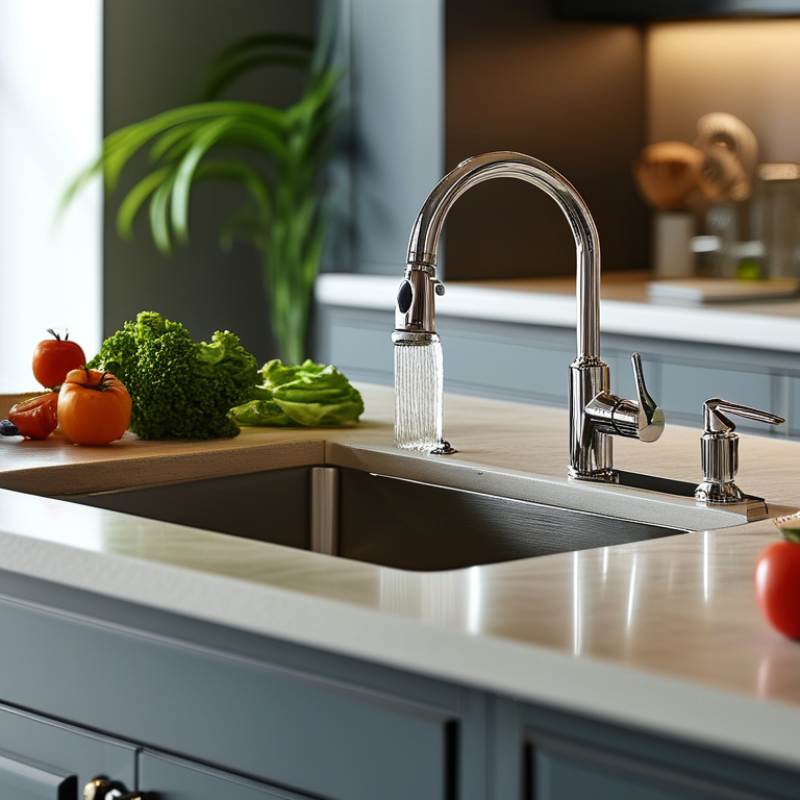
Understanding the Different Types of Kitchen Sinks in the Market
When selecting kitchen sinks, it’s essential to understand the variety of options available. According to a report from IBISWorld, kitchen sinks represent a significant segment of the home improvement market, with growth projected at 2.5% annually. This growth reflects increasing consumer spending on home renovations, making it vital to choose wisely.
There are several types of kitchen sinks to consider. Stainless steel sinks remain popular due to their durability and resistance to rust. They come in various gauge options, with lower gauges indicating thicker steel. However, this material can become scratched easily, requiring maintenance. Composite sinks combine materials like granite and acrylic, providing a sleek look while being scratch-resistant. Research suggests that composite sinks are favored by 30% of homeowners looking for aesthetics without sacrificing functionality.
Undermount and farmhouse sinks also stand out. Undermount sinks are easy to clean, as debris can be swept directly into the sink. On the other hand, farmhouse sinks provide excellent capacity and a distinctive style. Yet, these options can lead to challenges during installation. Misjudging dimensions could result in costly adjustments. Understanding these characteristics can help global importers make informed decisions in a diverse market.
Factors to Consider When Selecting Materials for Kitchen Sinks
When selecting materials for kitchen sinks, durability is key.
Stainless steel is popular due to its resistance to rust and corrosion.
It holds up well under high temperatures and impacts.
However, not all stainless steel is created equal.
Different grades can affect the overall quality.
Another material to consider is porcelain.
It offers an elegant appearance and is easy to clean.
Yet, it can chip or crack under heavy use.
This factor can be crucial in busy kitchens.
Some might recommend granite composite for its strength and variety of colors.
This material can withstand scratches and is stain-resistant,
but it requires careful maintenance to keep it looking fresh.
Finally, think about maintenance and care.
Some materials demand more attention than others.
Brass, for example, can tarnish if not cared for properly.
You might find that your choice defines your daily kitchen experience.
Reflect on your needs and lifestyle before making a decision.
Evaluating Design and Aesthetic Preferences for Kitchen Sinks
When evaluating design and aesthetic preferences for kitchen sinks, global importers must consider various factors that influence consumer choices. According to a recent report by the Kitchen & Bath Association, 70% of homeowners prioritize aesthetics in their kitchen designs. Color, shape, and material play crucial roles in creating a visually appealing kitchen. Stainless steel remains popular, yet composite materials are gaining traction due to their versatility and modern appeal.
The layout of the kitchen impacts sink selection significantly. Open-concept spaces often require sinks that blend seamlessly with cabinetry and appliances. A survey by Houzz indicates that 65% of remodelers consider functionality alongside aesthetics when choosing sinks. This balance is essential; a sink can be stunning but should also serve practical needs.
Trend analysis reveals that matte finishes and unique sink shapes like farmhouse styles are on the rise. However, some consumers may hesitate due to maintenance concerns with specific materials. Understanding these preferences can be challenging; each market may have its unique inclinations. Aesthetic choices in kitchen sinks reflect broader trends in interior design, revealing insights into consumer values. These evolving preferences can pose risks for importers relying solely on established designs.
Assessing Quality and Durability in Kitchen Sink Purchases
When assessing quality and durability in kitchen sinks, importers often face challenges. Understanding different materials is crucial. Stainless steel, for example, is popular due to its corrosion resistance. However, all stainless steel is not equal. Thickness significantly affects durability and scratch resistance. A sink made from thicker gauge steel can withstand heavy use better than a thinner option.
Importers should consider surface finishes as well. A brushed finish may hide scratches better than a polished one. But, it might require more maintenance to keep clean. Some sellers may claim their sinks are rust-resistant, but it’s essential to verify this claim with reliable testing standards. Ratings and certifications can guide importers in making informed decisions.
It can be easy to get misled by attractive designs. Minimalist aesthetics often come with hidden weaknesses. For example, sinks with intricate patterns might trap dirt in crevices, making cleaning a hassle. This leads to a reflection on the balance between style and function. A well-made sink should not only look good but also stand the test of time. Prioritizing practicality in design can enhance the user experience.
Kitchen Sink Buying Tips for Global Importers to Consider - Assessing Quality and Durability in Kitchen Sink Purchases
| Material |
Durability Rating |
Resistance to Scratches |
Ease of Cleaning |
Warranty Period |
| Stainless Steel |
High |
High |
Easy |
10 years |
| Composite Granite |
Very High |
Medium |
Moderate |
Lifetime |
| Porcelain |
Medium |
Low |
Easy |
5 years |
| Cast Iron |
Very High |
Medium |
Moderate |
10 years |
| Acrylic |
Low |
Medium |
Easy |
3 years |
Navigating Import Regulations and Compliance for Kitchen Sinks
Navigating the complex web of import regulations is crucial for global importers of kitchen sinks. The International Trade Administration (ITA) notes that improper compliance can lead to significant fines or shipment delays. Understanding foundational regulations is essential. For instance, sink materials may require testing for lead content in the U.S. If manufacturers fail to meet these guidelines, they risk expensive recalls and damage to their reputation.
The market for kitchen sinks is expected to grow at a CAGR of 4.5% by 2026, according to a recent market analysis report. This growth attracts many importers, but with it comes increased scrutiny from regulatory bodies. Compliance with labeling laws is critical. For instance, kitchen sinks must be accurately labeled to inform consumers of material composition and any potential hazards. Failure to comply can lead to legal repercussions.
Working with reliable customs brokers can facilitate smoother imports. They help navigate tariffs and local regulations. However, small companies often overlook the importance of this step. A recent survey revealed that 30% of importers admitted to struggling with compliance. This highlights the need for ongoing education on import regulations. Proper due diligence can save time and resources in the long run.
FAQS
: Stainless steel and composite materials are widely used. Stainless steel is durable, while composites offer a modern appeal.
Aesthetics matter greatly; color, shape, and material play crucial roles in a consumer's choice of sink.
Yes, undermount sinks allow debris to be swept directly into them, simplifying the cleaning process.
Farmhouse sinks provide significant capacity and a unique style, but installation can be tricky if measurements are off.
Some consumers worry about maintenance. Specific materials may require more care, which can deter their choice.
Open-concept kitchens often need sinks that blend seamlessly with cabinetry and appliances for better overall design.
Matte finishes and unique shapes, like farmhouse styles, are becoming more popular, reflecting current decorating trends.
Importers must keep up with evolving preferences. Relying solely on established designs may pose risks in a diverse market.www
Conclusion
When considering kitchen sink imports, it is essential to understand the various types available in the market. Different materials, such as stainless steel, porcelain, and composite options, each offer unique benefits that can influence your choice. Aesthetics also play a crucial role, as the sink design must complement kitchen decor while meeting functional needs.
Quality and durability are paramount in kitchen sink purchases, requiring careful evaluation of manufacturing standards and materials used. Additionally, global importers must navigate specific regulations and compliance requirements to ensure successful transactions. By focusing on these factors, importers can make informed decisions about kitchen sink options that best suit their target markets.

 YiGeng