Choosing the right bathroom sinks is crucial for any home renovation. In recent years, the demand for unique and stylish bathroom sinks has surged. According to industry reports, the global bathroom sink market is projected to reach $5.5 billion by 2026. This growth highlights the importance of selecting bathroom sinks that not only meet functional needs but also enhance the overall aesthetic.
Bathroom sinks come in various styles, materials, and sizes. The options are overwhelming. One must consider key factors such as space, functionality, and design. Many homeowners struggle with striking the right balance between practicality and style. While a beautiful sink can elevate a bathroom, it should also withstand daily use. Durability is essential.
When evaluating bathroom sinks, researching the material is vital. For example, ceramic sinks are popular due to their resilience, while glass sinks offer a modern flair. However, each material has its pros and cons. It's not just about looks. A poorly chosen sink can lead to frequent repairs or replacements, adding long-term stress. Thoughtful selection will save time and money in the long run.
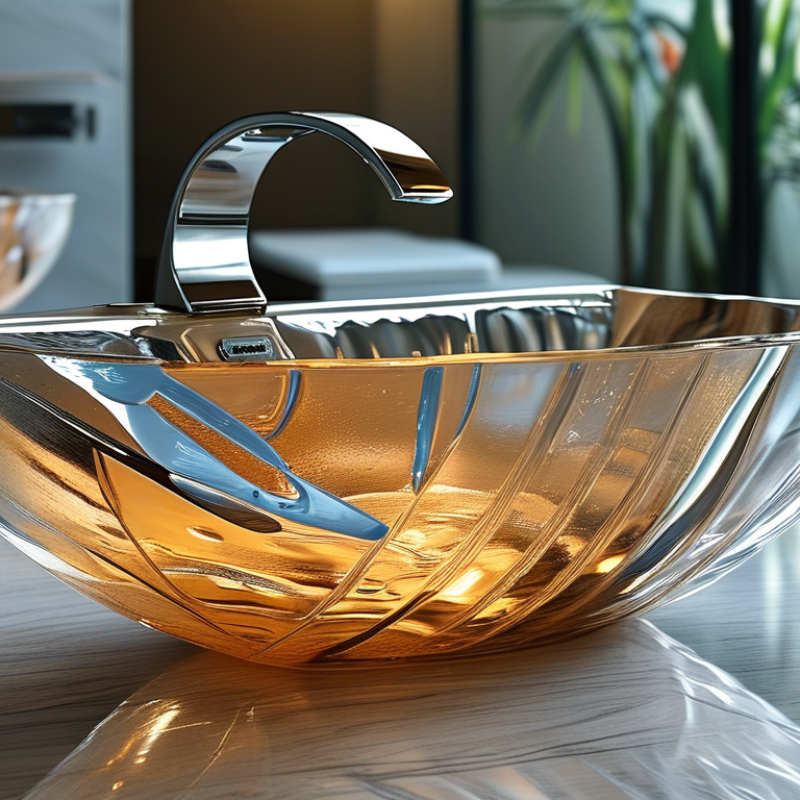
Understanding the Different Types of Bathroom Sinks Available
When selecting a bathroom sink, it's crucial to understand the various types available. One popular choice is the pedestal sink. This option features a classic design, providing a timeless look. Its compact size makes it ideal for smaller bathrooms, but it offers limited counter space. People often struggle with storage solutions when using this type.
Another option is the vanity sink. This style combines a sink with cabinetry underneath. It offers ample storage for toiletries and cleaning supplies. The vanity sink can complement various decor styles, from modern to vintage. However, choosing the right size can be challenging, especially in tight spaces.
Wall-mounted sinks are a contemporary choice for those seeking minimalism. They provide a clean look and save floor space. Yet, they may not be suitable for everyone, particularly families with young children. It’s essential to reflect on your daily habits and how the sink fits into your routine. Making an informed choice about your bathroom sink can enhance both functionality and aesthetic appeal.
Factors to Consider When Choosing the Right Size for Your Bathroom Sink
Choosing the right size for your bathroom sink is crucial for both functionality and aesthetics. The sink's size should complement the overall layout of your bathroom. Consider the available counter space. Too large a sink can crowd the area, making it feel cramped. Conversely, a sink that's too small may lack practicality.
Tips: Measure your space carefully before making a purchase. Take into account the plumbing placements and the height of the faucet. Leave enough room for other bathroom essentials.
Another factor is user comfort. A sink should be at a convenient height. This ensures ease of use for all family members. A deep sink might seem appealing but can be challenging for younger children.
Tips: Think about your household needs. A shallow sink can minimize splashes, while a deeper one helps with washing larger items. Make sure to test various heights before deciding. Reflect on how each option fits your daily routine.
Materials and Finishes: Finding the Best Choices for Durability and Style
When selecting bathroom sinks, durability and style hinge on material choices. Common sink materials include porcelain, glass, and natural stone.
Porcelain, a well-loved option, offers a timeless look and resistance to chipping. However, it can be vulnerable to stains and requires consistent maintenance.
Natural stone, like granite or marble, brings luxury but also demands care. A study from the National Kitchen and Bath Association shows that 34% of homeowners choose stone for its aesthetic appeal.
Yet, these surfaces are porous, risking damage from spills if not sealed properly. Material selection signifies a balance between beauty and practicality.
Many consumers overlook how finishes play a role in durability. Matte finishes resist scratches better than gloss, but might show water spots. Understanding this helps in making informed choices. While a shiny sink may appear appealing, with time, it can reveal flaws.
Balancing aesthetic desires with realistic upkeep needs is essential for long-term satisfaction. Using data from industry reports ensures awareness about trends and potential challenges ahead.
Budgeting for Your Bathroom Sink Selection: Cost vs. Quality
When selecting a bathroom sink, budgeting is crucial. A report from the Joint Center for Housing Studies indicates that bathroom renovations typically have a return on investment of around 70%. However, the quality of your sink can significantly impact both cost and longevity. Lower-end options may seem appealing, costing anywhere from $100 to $300. Yet, these sinks might require replacement within a few years.
In contrast, quality sinks priced from $400 to $800 can transform your space and last longer. Durable materials like vitreous china or solid surface tend to withstand daily use better. Investing in such materials often leads to fewer repairs or replacements over time. Additionally, a study from the American Society of Interior Designers shows that well-chosen sinks elevate bathroom aesthetics, enhancing overall satisfaction with home space.
Budgeting also involves hidden costs. Installation may vary based on the sink type and location. Remember to account for plumbing adjustments and potential renovations. This can push your total budget higher. Reflecting on your choices may reveal that a higher initial investment pays off in the long run. Prioritizing quality over cost might seem challenging, but the benefits often outweigh initial savings.
Styles and Designs: Choosing a Sink that Complements Your Bathroom Decor
Choosing the right bathroom sink involves careful consideration of styles and designs that enhance your space. A sink should not only be functional but also fit within the aesthetic of your bathroom decor. When selecting a sink, think about your overall design theme. Do you prefer modern, vintage, or minimalist looks? Each style carries unique characteristics that can transform your space.
For a modern bathroom, sleek and angular sinks made from materials like glass or stainless steel can add sophistication. If your decor leans towards a vintage vibe, consider a porcelain sink with intricate details. Such sinks often evoke nostalgia and charm. Textured or patterned sinks can also make bold statements in simpler surroundings. Remember, the finish is crucial. A matte finish may offer an understated look, while a glossy one can reflect light beautifully.
Reflecting on your choices is important. Sometimes, a design that seems appealing may not work well with your space. Consider the size of your bathroom. A large, ornate sink might overwhelm a small area. Conversely, a tiny sink may look lost in a spacious bathroom. Taking accurate measurements before making your decision can prevent costly mistakes. Aim for a blend of style and practicality, ensuring that your sink enhances both the beauty and functionality of your bathroom.
2026 How to Choose the Best Bathroom Sinks for Your Home? - Styles and Designs
| Sink Style |
Material |
Color Options |
Average Price |
Best for |
| Vessel Sink |
Glass |
Clear, Frosted, Colored |
$150 - $500 |
Modern Bathrooms |
| Undermount Sink |
Porcelain |
White, Cream, Black |
$100 - $300 |
Traditional & Modern Bathrooms |
| Drop-in Sink |
Stainless Steel |
Silver, Brushed Finish |
$75 - $250 |
Commercial & Modern Bathrooms |
| Pedestal Sink |
Ceramic |
White, Soft Pastels |
$150 - $400 |
Small Bathrooms |
| Console Sink |
Metal and Porcelain |
Chrome, White |
$200 - $600 |
Retro & Modern Bathrooms |
FAQS
: The common types include pedestal sinks, vanity sinks, and wall-mounted sinks. Each has its unique features.
A pedestal sink has a classic design and is great for small bathrooms. It offers limited counter space.
Vanity sinks provide storage beneath for toiletries. They can fit many decor styles but require careful size consideration.
Wall-mounted sinks are minimalist and save space, but they may not be practical for families with young children.
Budgeting is vital since quality sinks can last longer. Lower-end sinks may save money now but may need replacement soon.
Quality sinks typically cost between $400 and $800. Investing in durable materials can save repair costs over time.
A sink's design should match your bathroom's decor. An appealing sink can enhance the aesthetics of your space.
The finish can impact appearance. Matte finishes are subtle, while glossy ones reflect light. Choose based on your preferences.
Choosing the right size is crucial. A large sink can overwhelm a small bathroom, while a small sink may seem lost in a large space.
Consider how the sink fits your routine and design preferences. Reflecting can help avoid costly, unfit choices.
Conclusion
When selecting the best bathroom sinks for your home, it's crucial to understand the various types available, such as pedestal, vessel, and undermount sinks. Each type serves different aesthetic and functional needs. Additionally, size matters; measuring your bathroom space accurately ensures a perfect fit, allowing for comfortable use without overwhelming the area.
Material and finish are also vital considerations, as they contribute to the sink's durability and style. Whether opting for porcelain, stainless steel, or a stone finish, each material offers unique benefits. Budgeting is key in this selection process; balancing cost and quality can help you find a sink that meets both your financial and practical needs. Lastly, the style and design should enhance your bathroom's decor, aligning with your personal taste and the overall theme of the space. This comprehensive approach will lead you to the ideal bathroom sink for your home.

 YiGeng