How to Choose the Best Kitchen Sink for Your Kitchen Design?

Time:2026-06-27 Author:Sophia
0%

When selecting a Kitchen Sink Kitchen, it is crucial to consider both functionality and aesthetic appeal. According to the National Kitchen and Bath Association (NKBA), sinks account for over 25% of kitchen renovation expenses. A well-chosen sink enhances workflow and complements your design style.

Durability and material are vital factors. Stainless steel remains a top choice for its resistance to rust and easy maintenance. However, composite materials like granite or quartz are gaining popularity due to their stylish finish and durability. Reports indicate homeowners often overlook the sink's role in overall kitchen design.

Moreover, size and depth impact usability. Deep sinks are ideal for washing large cookware. On the other hand, smaller models suit compact kitchens. It’s important to reflect on your own needs and lifestyle. Ultimately, selecting the right kitchen sink can elevate your space, providing both function and flair.
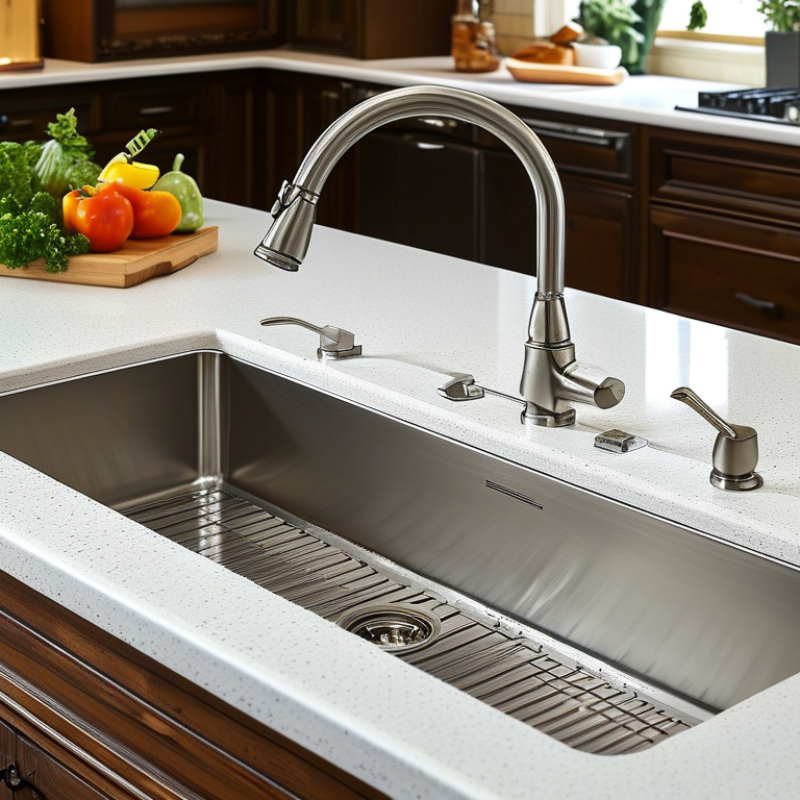
How to Choose the Best Kitchen Sink for Your Kitchen Design?

Understanding Kitchen Sink Styles and Their Functions

Choosing the right kitchen sink involves understanding various styles and their functions. Sinks come in different materials and configurations. The most common types include single basin, double basin, undermount, and farmhouse sinks. Industry reports indicate that over 55% of homeowners prefer stainless steel sinks for their durability and ease of cleaning.

The style of your sink can greatly affect your kitchen's aesthetics. For instance, farmhouse sinks offer a rustic charm, while undermount sinks present a sleek, modern look. However, not all materials are suitable. Composite sinks, while trendy, can be less durable than metal options. Data reveals that around 38% of kitchen remodels regret choosing less durable materials, highlighting the need for careful consideration.

Functionality is another critical aspect. A double basin sink is ideal for multitasking, while a single basin offers a larger space for washing pots. An estimated 60% of chefs prefer deeper sinks for larger dishware. This preference stems from the functional benefits deep sinks offer while cooking and cleaning. Always remember, the right sink can elevate your kitchen's efficiency and style.

Evaluating Material Options for Durability and Aesthetics

Choosing the right material for your kitchen sink significantly impacts both its durability and your kitchen's aesthetic. Stainless steel is popular for its versatility and resistance to rust and stains. It complements modern designs well, but it can scratch easily. Some homeowners might prefer porcelain for its classic look. Porcelain sinks offer a unique charm but can chip or crack under heavy use.

Composite sinks are a newer option that combines materials for increased durability. They resist scratches and stains while coming in various colors. However, they may not have the same timeless appeal as stainless steel or porcelain. Consider your daily kitchen activities when selecting your sink material. Frequent cooking and cleaning may lead you to prioritize durability over aesthetic.

Visualize how each material interacts with your kitchen's design. A sleek stainless steel sink might clash with a rustic farmhouse setting, while a matte black composite could enhance modern decor. Reflect on your priorities and preferences. Performance may outweigh appearance, but a well-chosen sink can unify your kitchen's style and function.

Determining the Right Size and Configuration for Your Space

When selecting a kitchen sink, size and configuration are crucial. The standard dimensions for kitchen sinks typically range from 22 to 33 inches in width. A report from the National Kitchen and Bath Association (NKBA) indicates that 40% of homeowners favor a sink that is large enough to handle pots and pans. This preference underscores the importance of measuring your space before making a choice.

Consider the layout of your kitchen. If you have an L-shaped design, a single bowl sink may suffice. However, a double bowl sink can enhance functionality, particularly for multitasking. Data shows that 55% of chefs prefer double bowl sinks for easy separation of food preparation and cleaning. Choosing the right configuration can improve efficiency in the kitchen.

An overlooked aspect is the depth of the sink. Sinks usually range from 8 to 10 inches deep. A deeper sink can prevent splashing but may not fit well with all countertop heights. If you have a lower countertop, a deep sink could be cumbersome. Evaluating potential challenges can lead to a better decision. Balancing practical needs with the overall kitchen design is essential for achieving harmony in the space.

How to Choose the Best Kitchen Sink for Your Kitchen Design?

Sink Type Material Size (inches) Configuration Installation Type
Single Bowl Stainless Steel 25 x 18 Undermount Drop-in
Double Bowl Composite Granite 33 x 22 Top Mount Farmhouse
Triple Bowl Ceramic 36 x 20 Integrated Drop-in
Prep Sink Cast Iron 15 x 15 Single Basin Undermount
Farmhouse Sink Fireclay 30 x 18 Single Bowl Farmhouse

Considering Faucet and Accessory Compatibility

When selecting a kitchen sink, compatibility with your faucet and accessories is crucial. According to a report by the National Kitchen and Bath Association (NKBA), over 60% of homeowners consider functionality before aesthetics. A well-matched sink and faucet enhance both usability and design coherence.

The mounting style of your faucet should align with the sink. Some sinks have pre-drilled holes that limit your choices. If your sink is a top-mount style, ensure your faucet is compatible and can effectively connect with the supplied holes. Height is also a factor; taller faucets may not suit all sinks, particularly those with high backs.

Tips: Always check the faucet's reach and spout height. Carefully measure your sink's dimensions to avoid mismatches. It's wise to consider additional accessories, such as soap dispensers or water filters, which can also affect faucet choice.

Often overlooked is the sink material. Options range from stainless steel to porcelain, impacting compatibility. Ensure any chosen accessories will not tarnish or damage the sink's surface. Reflect on how your choice serves your kitchen needs and daily tasks. Sinks should harmonize with devices like dishwashers, enhancing efficiency. Adaptability in design often requires compromise or reevaluation of your initial preferences.

Budgeting for Your Kitchen Sink and Installation Costs

When budgeting for your kitchen sink, start by taking a close look at your overall kitchen design. Consider the materials you prefer—stainless steel, porcelain, or composite. Each material has a different price point and longevity. Stainless steel is durable but can show water spots. Porcelain sinks are beautiful but may chip easily. Always make room in your budget for the unexpected.

Installation costs vary widely. If you do it yourself, you can save money. Hiring a professional often adds 20% to 30% to your total costs. Remember that plumbing adjustments may be needed if you're changing sink styles. You might not realize this until the installation begins. It’s wise to set aside extra funds for these surprises.

Don’t forget about accessories like faucets, strainers, or soap dispensers. These items can add to the overall cost and should be factored in when planning. A well-thought-out budget helps ensure you don’t overspend and stay within your financial limits. Take your time. Choose wisely, as a kitchen sink is a long-term investment in your home.

FAQS

: What should I consider when choosing a kitchen sink material?

: Consider durability and aesthetic appeal. Stainless steel is versatile, but scratches easily. Porcelain offers charm but can chip.

How does my kitchen's design influence sink material choice?

Visualize how materials fit your design. A sleek stainless steel sink may clash with rustic decor, while matte options enhance modern styles.

Are there budget-friendly options for kitchen sinks?

Yes, consider the material costs. Stainless steel is durable; porcelain is beautiful but may chip. Allocate extra funds for unexpected expenses.

How much do installation costs vary for kitchen sinks?

Installation costs can vary widely. DIY may save money, while hiring pros can add 20% to 30% to total costs.

Should I budget for accessories when planning for my kitchen sink?

Yes, include costs for faucets, strainers, and dispensers. Accessories can significantly impact your overall budget.

What happens if I change sink styles during installation?

You may need plumbing adjustments, which can lead to unexpected costs. Be prepared for surprises during the installation phase.

What’s the long-term value of choosing the right sink?

A well-chosen sink enhances style and function. Consider it a long-term investment. Choosing poorly can lead to regret later.

Is it better to prioritize performance or appearance when selecting a sink?

Performance can outweigh appearance. Reflect on your daily activities to determine your priorities for a sink.

Why do materials show different levels of wear over time?

Each material has unique properties. Stainless steel can show water spots, while porcelain is prone to chipping under heavy use.

How can I ensure I stay within my budgeting limits?

Take time to plan and consider all potential costs. A well-thought-out budget prevents overspending on your kitchen sink.

Conclusion

When choosing the best kitchen sink for your kitchen design, it is essential to understand the various styles available and their specific functions. Different styles can dramatically influence both aesthetics and functionality in your space. Evaluating materials is equally crucial, as options like stainless steel, porcelain, and composite each offer unique combinations of durability and visual appeal.

Additionally, the size and configuration of the sink should complement your kitchen layout, ensuring it fits perfectly without compromising usability. Compatibility with faucets and accessories is another important consideration to maximize efficiency. Lastly, effective budgeting for both the sink and its installation can help you make a well-informed decision that enhances your kitchen sink kitchen experience. By weighing these factors carefully, you can choose a kitchen sink that not only meets practical needs but also elevates your kitchen's design.


Sophia

Sophia

Sophia is a dedicated marketing professional with an exceptional depth of knowledge about her company's products and services. With a keen understanding of market trends and customer needs, she crafts insightful blog posts that not only inform but also engage readers, enriching the company’s online......