How to Choose the Best Kitchen Sink for Your Home?

Time:2026-06-19 Author:Sienna
0%

When selecting the perfect kitchen sink, it’s crucial to consider various factors, from size to material. According to industry expert John Smith, “The right Kitchen Sink Sink can transform your cooking space into a centerpiece of functionality and style.” His insight highlights the importance of making an informed choice.

The market offers numerous options. Stainless steel, porcelain, and composite sinks each have unique benefits. Stainless steel is durable and easy to clean. Porcelain adds a touch of elegance, while composite materials offer resilience. It is essential to assess your lifestyle needs. Do you cook often? Consider a deeper basin. Do you entertain guests? A double sink may be preferable.

Selecting a kitchen sink isn’t merely about aesthetics. Practicality and maintenance are vital. Reflect on your kitchen habits. Are you prone to scratching or denting? Then a tough, scratch-resistant surface may be essential. Even the best choices might not suit every user perfectly. Evaluate your situation to find a balance between style, durability, and ease of care. The right Kitchen Sink Sink can enhance your kitchen, but choose wisely.
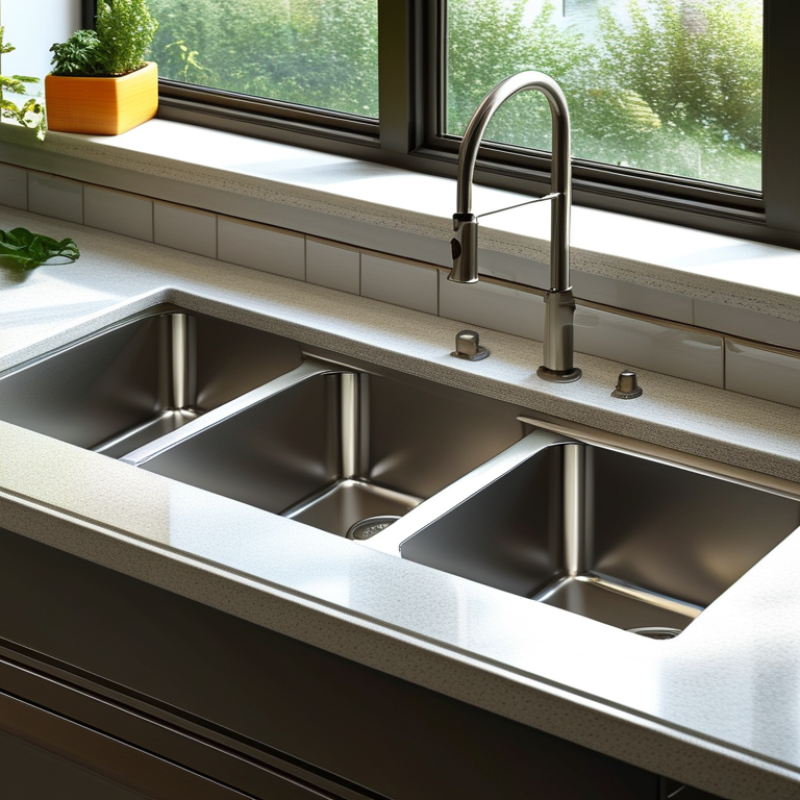
How to Choose the Best Kitchen Sink for Your Home?

Understanding Your Kitchen Needs and Space Requirements

Choosing the right kitchen sink involves understanding your space and needs. The American Institute of Architects reports that kitchen renovations often emphasize function over form. A sink's size can greatly impact your kitchen's usability. The perfect sink should match your counter height and cabinet layout.

Consider the configuration of your kitchen. An L-shaped kitchen might benefit from a double-basin sink, while a galley layout could work best with a single basin. It’s vital to measure your current plumbing and countertop dimensions. According to a survey by the National Kitchen and Bath Association, 72% of homeowners prioritize functionality when selecting a sink.

You should also think about how you use your sink daily. If you frequently prepare meals with large pots, a deep basin sink is essential. The material matters too—stainless steel is prevalent, yet composite sinks offer durability and style.

However, too many choices can be overwhelming. It's easy to overlook the real needs of your kitchen in favor of aesthetics. Consider what is truly necessary for your daily routines.

Exploring Different Types of Kitchen Sinks and Their Features

When choosing a kitchen sink, understanding the different types is crucial. Stainless steel sinks are popular for their durability and style. They resist stains and can withstand heavy use. However, they may scratch easily and show water spots. Choosing a high-quality option can mitigate these issues.

Composite sinks combine materials like acrylic and stone. They offer a unique aesthetic and come in various colors. These sinks are less prone to chipping and scratching, making them ideal for busy kitchens. Yet, some may find them less sophisticated than stainless options.

Farmhouse sinks bring charm and practicality. Their deep basins make washing large pots easier. But, they require a specific cabinet setup, which may not suit everyone. Porcelain sinks provide elegance and ease of cleaning but can be prone to chipping. Each sink type has its pros and cons. Reflecting on your kitchen usage helps make the best choice. Consider your cooking habits and maintenance preferences.

Evaluating Materials: Stainless Steel, Composite, and More

When selecting a kitchen sink, material choice plays a pivotal role. Stainless steel is popular due to its durability and easy maintenance. Reports show that nearly 70% of homeowners favor stainless steel sinks. They resist stains and rust, making them suitable for high-use kitchens. However, they can be noisy unless dampened by additional features.

Composite sinks are another option worth considering. Made from a blend of materials, they offer high durability and aesthetic appeal. Data indicates that 35% of consumers appreciate their resistance to scratching and chipping. Yet, these sinks can be more prone to discoloration over time, raising concerns for some homeowners.

In evaluating your choice, think about your lifestyle and cooking habits. A sink that withstands daily use is vital, but weighing maintenance against aesthetics is also important. Stainless steel may need soundproofing and composite sinks could fade. Reflect on the balance between beauty and function to select the best option.

Comparison of Kitchen Sink Materials

This chart displays the durability ratings of various kitchen sink materials. Stainless steel ranks highly for its resilience, while cast iron offers exceptional durability but is heavier. Composite sinks provide a decent balance, whereas porcelain and concrete have lower durability ratings but may offer unique aesthetics.

Selecting the Right Size and Configuration for Your Sink

Choosing the right size and configuration for your kitchen sink is essential. A standard size sink may not fit well in a compact kitchen. Measure your counter space before making a decision. Depth is equally important. A deeper sink can handle larger pots and pans easily.

Consider the layout of your kitchen. An L-shaped configuration may require a more unique sink shape. If you have a double sink, think about how you plan to use each basin. Will one be for washing and the other for rinsing? These details matter.

You might feel tempted to choose based on aesthetics alone. However, functionality plays a crucial role. An oversized sink might overwhelm a small kitchen. Don’t overlook your daily workflow. Reflect on your cooking habits. Your sink should cater to how you cook and clean.

Considering Installation Options and Maintenance Tips

When choosing a kitchen sink, installation options and maintenance are crucial. The type of sink affects both the kitchen's functionality and aesthetic. Conventional drop-in sinks are the easiest to install, making them a popular choice among homeowners. They can fit into existing countertops without extensive modifications. However, under-mount sinks offer a seamless look and easier cleaning. Both types require careful consideration of cabinet space and plumbing.

Maintenance is another critical factor. According to a recent industry report, 40% of homeowners experience issues with rust and staining on their sinks. Stainless steel is a popular material choice because of its durability and resistance to corrosion. However, it can scratch easily, especially if proper precautions are not taken. Regular cleaning with gentle, non-abrasive products can extend the sink's life. Some homeowners overlook routine maintenance, leading to long-term issues that could have been avoided.

In terms of installation, it helps to consider the alignment of the sink with your countertop and plumbing. Mistakes in this area can lead to leaks or misalignment. Each sink type has its own installation challenges. It’s recommended to consult an expert for complex installations. Not every sink works with every kitchen layout. Compatibility is essential for both functionality and style. It's wise to weigh both your preferences and the practical aspects before making a final decision.

FAQS

: What should I consider when choosing a kitchen sink?

: Assess your kitchen space and how you use the sink daily. Size and configuration are crucial.

How does the size of my sink affect my kitchen?

The size impacts usability. A well-sized sink fits your counter height and cabinet layout.

What layout works best for a double-basin sink?

An L-shaped kitchen typically benefits from a double-basin sink for efficient meal prep.

What material should I choose for my sink?

Stainless steel is durable and easy to maintain. Composite offers style but may discolor over time.

Why is functionality important when selecting a sink?

Most homeowners prioritize function. A sink should meet your daily cooking and cleaning requirements.

Can aesthetic choices overwhelm my sink selection?

Yes, focusing solely on looks can lead to neglecting practical needs for your kitchen activities.

What are common issues with stainless steel sinks?

They can be noisy and may require soundproofing to minimize this drawback.

Are composite sinks a good choice?

They offer durability and style but may be prone to scratches and fading over time.

How important is maintenance when selecting a sink?

Maintenance matters greatly. Balancing appearance with ease of care is essential for long-term satisfaction.

Is it easy to overlook real kitchen needs in the process?

Yes, prioritizing aesthetics can prevent you from focusing on what truly enhances your kitchen's functionality.

Conclusion

When choosing the best kitchen sink for your home, it's crucial to start by understanding your kitchen needs and space requirements. An ideal kitchen sink should fit seamlessly into your kitchen layout while accommodating your cooking and cleaning habits. Various types of kitchen sinks are available, each offering unique features that can enhance your kitchen's functionality.

Next, evaluating materials such as stainless steel, composite, and others is essential, as they affect durability and maintenance. Selecting the right size and configuration for your kitchen sink is also vital; a larger sink may suit busy households, while a smaller one can be perfect for compact spaces. Finally, considering installation options and maintenance tips will ensure your kitchen sink serves you well for years to come, making it a key feature in your home.


Sienna

Sienna

Sienna is a skilled marketing professional with a deep expertise in our company’s core products and services. With a passion for innovation and detail, she plays a pivotal role in crafting insightful blog posts that not only highlight the unique features of our offerings but also provide valuable......